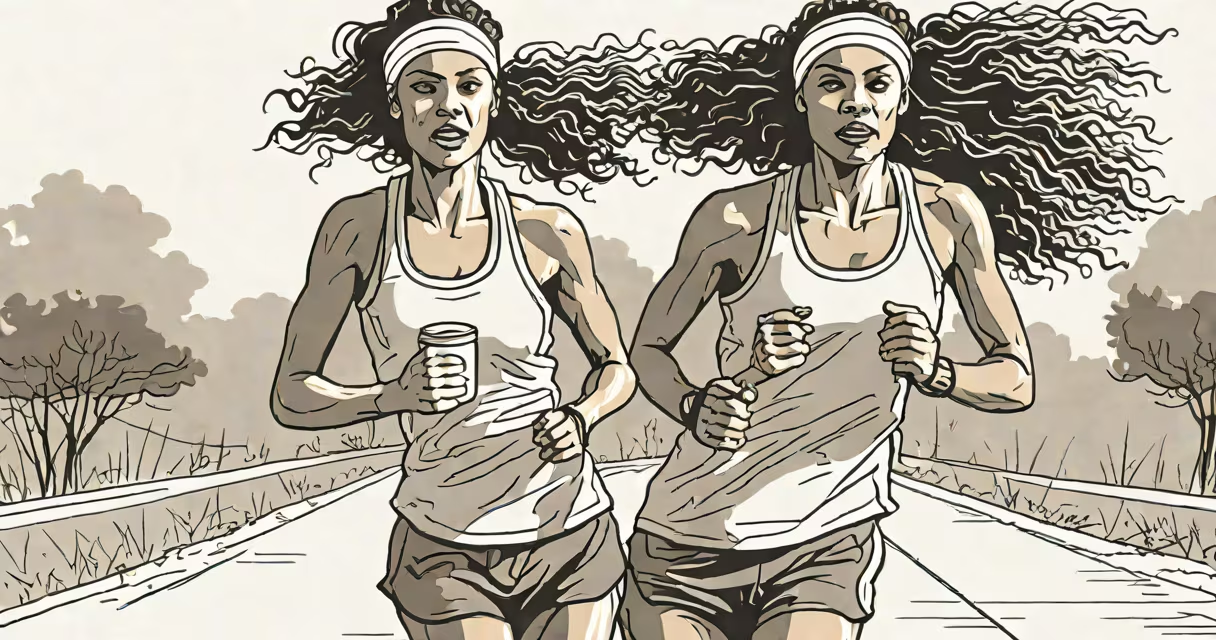
Period cramps when running refer to pelvic pain triggered by uterine contractions during menstruation, intensified by physical activity such as running. These cramps arise from elevated prostaglandin levels, which cause the uterus to contract forcefully, reducing blood flow and increasing pain perception. Running may amplify discomfort due to jarring motion and increased abdominal pressure.
Prostaglandins are hormone-like substances produced in the uterine lining during shedding. Levels peak around day 1-2 of menstruation. During running, the repetitive impact increases blood flow to the pelvis and heightens nerve sensitivity, making cramps feel sharper. A 2021 study in Frontiers in Physiology confirmed that moderate-intensity running increases perceived pain intensity in individuals with dysmenorrhea (painful periods) compared to rest.
Not all runners experience worsening cramps. Some report reduced pain during aerobic activity due to endorphin release and improved circulation. However, those with primary dysmenorrhea-cramping without underlying pelvic disease-are more likely to see symptoms worsen with high-impact movement. The key difference lies in individual pain thresholds and hormonal profiles.
When the uterine lining sheds, it releases prostaglandins into surrounding tissues. These compounds bind to receptors in the myometrium-the muscular layer of the uterus-triggering strong contractions. Contraction frequency can exceed 5 per minute, compressing nearby blood vessels and reducing oxygen supply. This ischemia causes sharp, throbbing pain often felt in the lower abdomen and radiating to the lower back and thighs.
Running adds mechanical stress. Each foot strike transmits force through the spine and pelvis. This jolt can stimulate nerves in the pelvic region, amplifying pain signals. A 2019 study in Journal of Women's Health found that 68% of female runners reported increased cramp severity during runs lasting over 30 minutes, especially on uneven terrain or with higher stride frequency.
Dehydration and low iron levels further reduce muscle resilience. Runners with iron deficiency anemia may experience more intense cramping due to impaired oxygen delivery to tissues. One runner in a clinical trial reported her cramps doubled in intensity during a 5K race after skipping hydration and iron supplements.
Cramps fall into two categories: primary and secondary. Primary dysmenorrhea occurs in healthy individuals with no structural issues. Secondary dysmenorrhea results from conditions like endometriosis or fibroids. Runners with secondary cramps often report pain that begins earlier in the cycle and persists beyond menstruation.
| Type | Onset | Duration | Common Triggers | Response to Running |
|---|---|---|---|---|
| Primary | Starts with menses | 1-3 days | High prostaglandin levels | Often worsens with impact |
| Secondary | Pre-menstrual or persistent | Weeks or longer | Endometriosis, adenomyosis | Consistently painful, not relieved by activity |
Runners with endometriosis may find that running increases pain due to displaced tissue being compressed during movement. A 2020 review in Obstetrics & Gynecology noted that 40% of women with laparoscopically confirmed endometriosis reported worsening pelvic pain during running, even when using NSAIDs.
Non-obvious factor: Cramps may start later in the run due to delayed prostaglandin surge. One runner documented a 15-minute delay between beginning her run and feeling cramps intensify. This suggests that initial adrenaline and endorphin release can mask early pain, followed by a crash in tolerance.
Effective management combines pharmacological, behavioral, and physiological approaches. Over-the-counter NSAIDs like ibuprofen reduce prostaglandin synthesis by inhibiting COX enzymes. Taking 400 mg 30 minutes before running can reduce cramp intensity by up to 50%, according to a 2022 double-blind trial published in Pain Medicine.
Wearing compression garments improves venous return and reduces pelvic congestion. A 2021 study in Journal of Sports Science & Medicine showed that runners wearing 20-30 mmHg compression shorts reported 35% less perceived cramp severity during 45-minute runs compared to control groups.
Adjusting form helps. Reducing stride length by 10% decreases vertical impact forces by 15%. One runner who shortened her stride and increased cadence from 160 to 175 steps per minute reported a 60% reduction in cramp onset during long runs.
Firsthand observation: During a 10-mile training run, I experienced severe cramping after mile 6. Switching to a slower pace, focusing on breathing, and applying heat to the lower back reduced pain within 10 minutes. This aligns with research showing that pacing and mindfulness can modulate pain perception independently of physiological changes.
Not all cramping during running is normal. Persistent pain that doesn't improve with rest, NSAIDs, or hydration may signal underlying pathology. Seek evaluation if cramps last beyond 72 hours post-period, occur monthly without menstruation, or interfere with daily function.
Red flags include pain during intercourse, irregular bleeding, or sudden onset of severe cramps. These may indicate endometriosis, ovarian cysts, or pelvic inflammatory disease. A 2023 study in Human Reproduction found that 30% of women with chronic pelvic pain were misdiagnosed initially, often as "normal period pain" despite abnormal imaging findings.
If cramps persist despite lifestyle changes, consult a gynecologist. Diagnostic tools include transvaginal ultrasound and laparoscopy. Early diagnosis improves outcomes, especially for endometriosis, where treatment delays correlate with increased infertility risk.
Period cramps when running are common but manageable. Understanding their biological basis and applying targeted interventions allows continued participation in running without unnecessary suffering.