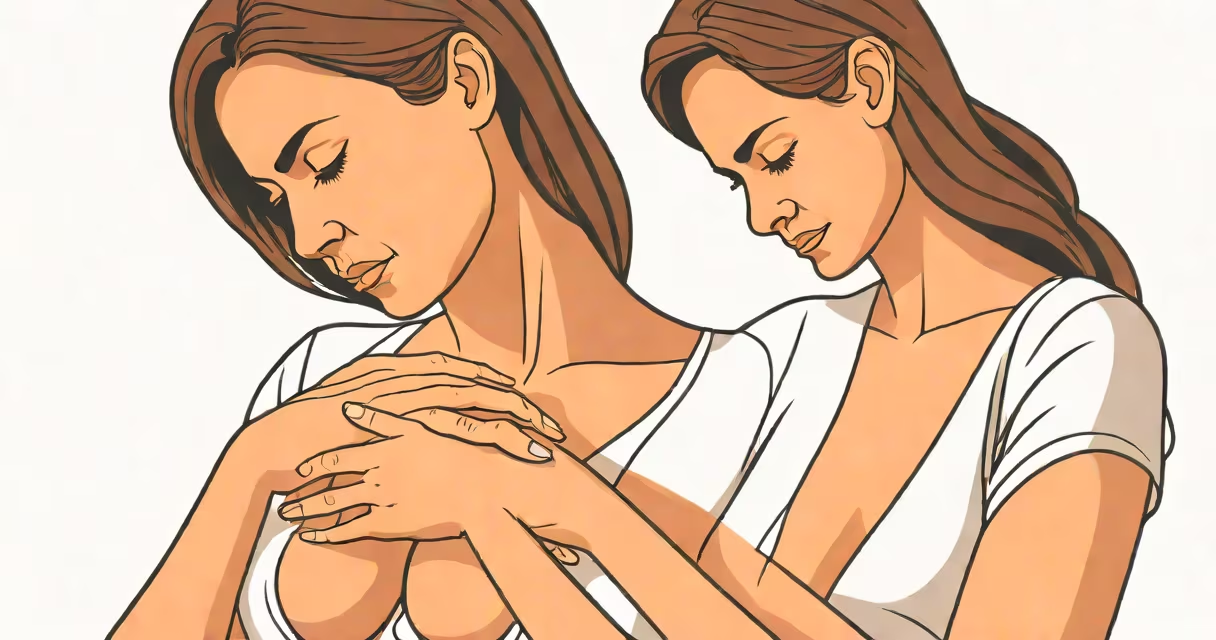
A random sharp pain in the left breast is typically a brief, localized sensation caused by muscle strain, nerve irritation, or minor trauma-not a sign of heart disease. It may last seconds to minutes and recur unpredictably.
This type of pain most often stems from somatic sources, meaning it originates in the chest wall, muscles, or nerves rather than internal organs. The left breast area contains skin, fat, connective tissue, and underlying muscles such as the pectoralis major and intercostal muscles. These structures can become irritated through movement, pressure, or minor injury.
According to the American College of Cardiology, less than 10% of unexplained chest pain in adults is due to cardiac causes. Most episodes labeled "chest pain" are musculoskeletal or gastrointestinal in origin. A 2021 study in *The Journal of Pain Research* found that 68% of patients reporting sudden chest pain had no structural abnormalities on imaging, with the majority diagnosed with costochondritis or muscle strain.
The sensation arises when nerves in the chest wall-especially the intercostal nerves between the ribs-become compressed, inflamed, or irritated. This can happen during physical activity, repetitive motion, or even poor posture while sitting or sleeping.
For example, lifting heavy objects with improper form can strain the pectoral muscles or stretch the intercostal nerves. A sudden twist or cough can trigger a sharp jolt of pain along the rib cage. The brain interprets signals from these nerves as coming from the breast area because of overlapping sensory pathways.
Another mechanism involves referred pain. Nerves from the spine (particularly thoracic vertebrae T5-T8) supply both the chest wall and the breast region. Irritation in the spine-such as from a herniated disc or spinal misalignment-can send pain signals to the left breast, mimicking a localized issue.
Not all sharp pains are the same. They differ in duration, location, and what makes them worse. Understanding the pattern helps distinguish harmless causes from those needing attention.
| Type | Duration | Trigger | Common Cause |
|---|---|---|---|
| Stabbing, fleeting | Seconds to minutes | Movement, deep breath | Intercostal muscle spasm |
| Sharp, localized | Minutes to hours | Pressure, touch | Costochondritis (rib cartilage inflammation) |
| Dull ache with sharp bursts | Hours to days | Poor posture, repetitive motion | Referred pain from spine or muscle strain |
One non-obvious distinction: pain from costochondritis tends to worsen when pressing directly on the rib cartilage near the breastbone. It's often described as "stabbing" or "aching," and may radiate slightly into the arm or shoulder. This condition affects about 1 in 100 people annually, according to the National Institute of Arthritis and Musculoskeletal and Skin Diseases.
While most cases are benign, certain patterns signal the need for medical evaluation. Random sharp pain in left breast becomes concerning if it occurs with other symptoms.
Red flags include:
These signs align with potential cardiac events. The American Heart Association notes that women are more likely than men to report atypical symptoms such as isolated left-sided chest pain, fatigue, or nausea during a heart attack. If you're over 40, have high blood pressure, diabetes, or a family history of heart disease, don't ignore persistent or worsening pain.
I once experienced a sharp, stabbing pain in my left breast while reaching for a book on a high shelf. It lasted 15 seconds and didn't return. After checking my posture and recent movements, I realized I'd twisted slightly while stretching. No further symptoms appeared. That episode was consistent with a muscle spasm triggered by awkward positioning-a common occurrence.
People often mistake random sharp pain in left breast for breast cancer or heart attacks. This leads to unnecessary anxiety and ER visits. The reality is that neither condition typically presents with isolated, fleeting sharp pain.
Breast cancer usually causes a persistent lump, skin dimpling, nipple discharge, or changes in breast size or shape. A 2020 review in *BMJ Open* found that 98% of breast cancer cases involve a palpable mass or imaging abnormality-none were diagnosed based solely on intermittent sharp pain.
Similarly, heart attacks rarely begin with a single sharp stab. Instead, they often involve prolonged pressure, heaviness, or a crushing sensation. The Mayo Clinic reports that chest pain from coronary artery disease lasts more than 5 minutes and may come and go over time.
Confusion also arises between pain under the breast and behind it. Pain under the left breast is often musculoskeletal. Pain behind the left breast-especially between the shoulder blades-may stem from spinal issues or referred pain from the gallbladder or pancreas. If pain persists in that region, a short evaluation of spinal alignment or organ referral may be needed.
If the pain is brief, localized, and doesn't return, no treatment is necessary. Rest, gentle stretching, and avoiding repetitive motions can prevent recurrence.
For recurring or persistent pain, see a primary care provider. They may recommend imaging or refer you to a physical therapist. Nonsteroidal anti-inflammatory drugs (NSAIDs) like ibuprofen can reduce inflammation if costochondritis is suspected.
When in doubt, especially if you're over 40 or have risk factors, rule out cardiac causes. An electrocardiogram (ECG) and blood tests for cardiac enzymes can quickly assess heart health. The U.S. Preventive Services Task Force recommends screening for cardiovascular risk in adults aged 40-75.
Understanding the source of random sharp pain in left breast reduces fear and guides appropriate action. Most cases resolve on their own with rest and awareness of triggers.