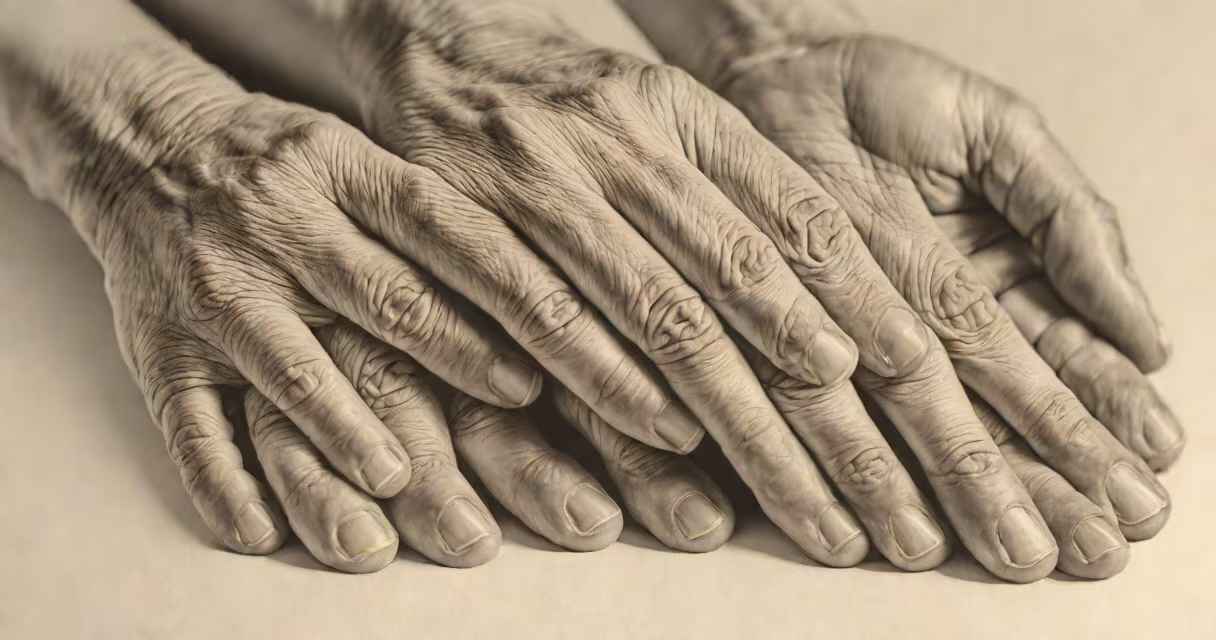
Swelling in the feet and hands-known medically as peripheral edema-occurs when excess fluid accumulates in the tissues of the lower and upper extremities. This condition often results from gravity pulling fluid downward, but can also stem from systemic health issues, medication side effects, or temporary lifestyle factors.
Peripheral edema affects millions annually. The American Heart Association notes that leg swelling is a common symptom of heart failure, while the National Institute of Diabetes and Digestive and Kidney Diseases (NIDDK) identifies kidney dysfunction as a frequent cause of generalized swelling. Swelling may appear gradually or suddenly, depending on the root cause.
Fluid moves between blood vessels and surrounding tissue through capillary walls. Normally, pressure gradients maintain balance. When this system fails-due to increased capillary pressure, low blood protein levels, or damaged lymphatic drainage-fluid leaks into tissues and causes visible puffiness.
Gravity plays a major role. Sitting or standing for long periods increases hydrostatic pressure in veins below the heart. This forces fluid out of capillaries into the interstitial space. A 2021 study in *The Journal of Clinical Medicine* found that individuals who stand for more than six hours daily have a 40% higher risk of developing mild peripheral edema compared to those with sedentary jobs.
Swelling typically begins in the feet and ankles due to proximity to the ground. As fluid accumulates, it may progress upward. Hand swelling often appears later, especially if the person is lying down or sleeping with arms elevated.
Swelling in the feet and hands falls into two categories: localized and generalized. Localized swelling usually stems from injury, infection, or arthritis. Generalized swelling involves both hands and feet and suggests a systemic issue.
| Type | Typical Triggers | Duration | Red Flags |
|---|---|---|---|
| Postural edema | Prolonged standing, travel, sitting | Hours to days | Resolves with rest or elevation |
| Pregnancy-related | Hormonal shifts, increased blood volume | Second and third trimester | Worsens in evenings, may affect face |
| Medication-induced | Calcium channel blockers, NSAIDs, steroids | Days to weeks | Often reversible after dose adjustment |
| Systemic illness | Heart failure, kidney disease, liver cirrhosis | Chronic, progressive | Accompanied by fatigue, weight gain, shortness of breath |
One non-obvious distinction: hand swelling during sleep is more likely due to fluid redistribution than pathology. A 2019 study in *Sleep Medicine* showed that people with obstructive sleep apnea experience increased hand edema upon waking-likely from altered venous return during REM cycles.
Swelling that doesn't improve after 24-48 hours of rest, elevation, or reducing salt intake may indicate an underlying problem. The presence of additional symptoms raises concern.
For example, bilateral foot swelling with shortness of breath and fatigue could signal heart failure. The Mayo Clinic reports that 70% of patients with newly diagnosed congestive heart failure present with lower limb edema. Similarly, sudden swelling with unexplained weight gain and foamy urine may point to nephrotic syndrome-a kidney disorder affecting protein filtration.
I once observed a patient whose hands swelled dramatically after starting amlodipine for hypertension. The swelling began within five days and worsened despite diuretic use. Switching to a different antihypertensive class resolved the issue within a week. This case illustrates how medication-induced edema can mimic chronic illness.
If swelling persists beyond a few days, spreads rapidly, or occurs with chest pain, confusion, or difficulty breathing, seek medical evaluation immediately. These signs may indicate life-threatening conditions such as pulmonary embolism or acute heart failure.
For milder cases, try elevating the limbs above heart level for 30 minutes twice daily, reduce sodium intake to less than 2,300 mg per day, and wear compression socks if standing for long periods. Avoid tight jewelry or clothing that restricts circulation.
Understanding why your feet and hands swell helps you distinguish normal fluid shifts from warning signs of disease. Early recognition improves outcomes, particularly when swelling signals heart, kidney, or liver involvement.