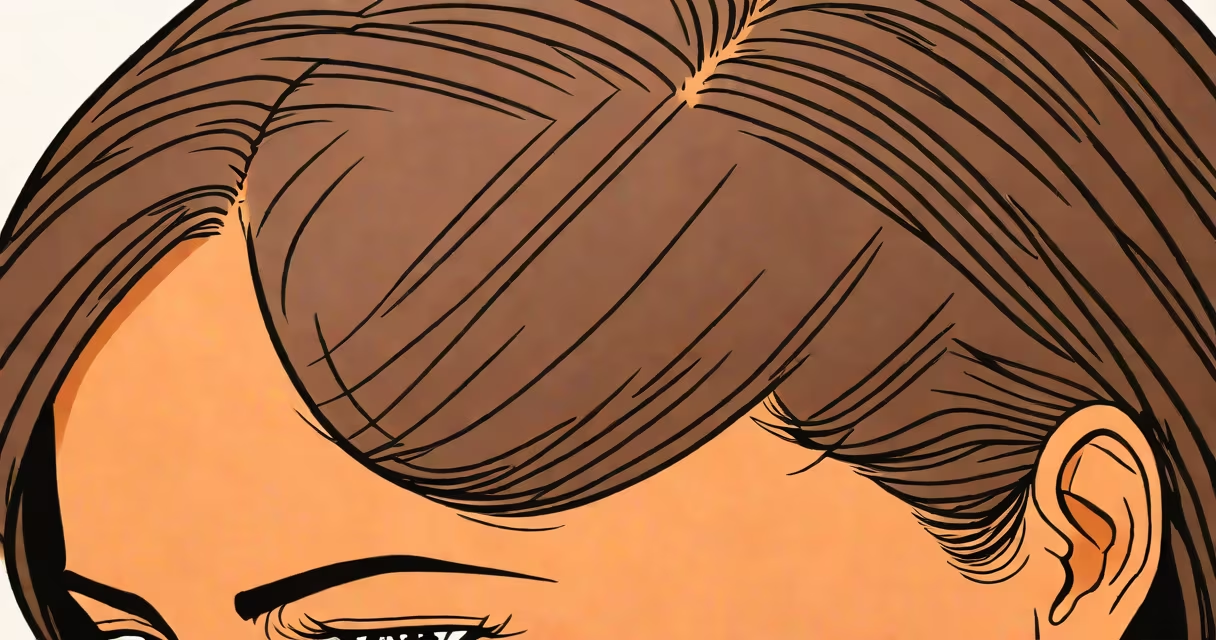
Rapid hair loss in women refers to sudden, noticeable thinning or shedding of hair, typically exceeding 100 strands per day over several weeks. It may stem from hormonal imbalances, stress, nutritional deficiencies, or underlying medical conditions such as thyroid disorders or polycystic ovary syndrome (PCOS).
This condition differs from gradual, age-related thinning. It often appears in distinct phases: increased shedding, visible scalp exposure, and reduced regrowth. The most common forms are telogen effluvium and androgenetic alopecia, though the latter usually progresses slowly. Rapid onset suggests acute triggers rather than long-term genetics.
According to the American Academy of Dermatology Association, telogen effluvium accounts for up to 60% of acute hair loss cases in women. It occurs when stress pushes large numbers of follicles into resting phase prematurely. Recovery typically begins within 3-6 months after the trigger resolves, but persistent shedding beyond six months warrants medical evaluation.
Hair growth follows a cycle: anagen (growth), catagen (transition), and telogen (resting). Normally, 85-90% of scalp hairs are in anagen at any time. Rapid hair loss disrupts this balance, pushing follicles into telogen too early.
Physical or emotional stress-such as childbirth, surgery, crash dieting, or severe illness-can cause a shock to the system. This leads to a surge in cortisol and inflammatory markers, which suppress follicular activity. For example, postpartum hair loss affects 40-50% of women, peaking around 3-4 months after delivery due to plummeting estrogen levels.
Other biological mechanisms include autoimmune reactions, where the immune system attacks hair follicles (alopecia areata), or genetic sensitivity to dihydrotestosterone (DHT), a hormone derived from testosterone. DHT shrinks follicles over time, leading to finer, shorter hairs until they stop growing altogether.
Not all rapid hair loss is the same. The primary types differ in cause, appearance, and recovery timeline:
| Type | Trigger | Onset | Recovery Time | Key Sign |
|---|---|---|---|---|
| Telogen effluvium | Stress, illness, postpartum, crash diets | 2-4 months after event | 3-6 months | Diffuse thinning, especially at crown |
| Androgenetic alopecia | Genetics, DHT sensitivity | Gradual, but can accelerate under stress | Chronic; requires ongoing management | Receding hairline, thinning at temples and crown |
| Alopecia areata | Autoimmune response | Sudden patches | Variable; spontaneous remission in 30-50% | Round bald spots, often on scalp or eyebrows |
A common error is assuming all rapid hair loss is temporary. While telogen effluvium often resolves, androgenetic alopecia progresses steadily and may require intervention. Another misconception is that shampooing causes hair loss. Shampooing dislodges hairs already in the telogen phase-this is normal shedding, not a cause.
I once observed a patient who reported losing half her hair in three weeks after a car accident. She was convinced she'd "broken" her hair. Blood tests revealed low iron and elevated cortisol. After correcting nutrition and managing stress, her hair regrew fully within nine months. That case underscored how physical trauma can trigger systemic changes affecting hair cycles.
Consult a dermatologist if hair loss exceeds 100 strands daily for more than two months, especially with accompanying symptoms like fatigue, weight changes, or irregular periods. These may signal thyroid disease, PCOS, or nutrient deficiencies.
The Mayo Clinic recommends testing for ferritin (iron stores), vitamin D, B12, and thyroid-stimulating hormone (TSH) in women with unexplained hair thinning. Low ferritin below 30 ng/mL correlates strongly with telogen effluvium-even without anemia.
Early diagnosis prevents irreversible damage. Once follicles remain in telogen for over 12 months, they may enter a permanent resting state. The National Institutes of Health notes that early treatment improves outcomes in 70% of cases with androgenetic alopecia.
Effective management depends on identifying the root cause. For stress-induced telogen effluvium, addressing the trigger-sleep, nutrition, mental health-often restores normal cycles. A balanced diet rich in protein, zinc, and omega-3s supports follicular health.
For androgenetic alopecia, FDA-approved treatments include topical minoxidil (5%) and oral spironolactone (for those with high androgen levels). Minoxidil stimulates anagen re-entry and increases hair density. Clinical trials show 40-60% of users see improved coverage after four months, with sustained results in 70% after one year.
For advanced cases, hair transplant surgery offers durable results. FUE (follicular unit extraction) procedures yield natural-looking density with minimal scarring. However, success depends on donor supply and proper patient selection.
Don't delay care. Rapid hair loss in women is treatable when diagnosed early. Understanding the difference between temporary shedding and chronic thinning guides effective action. Addressing the cause-whether hormonal, nutritional, or autoimmune-leads to better results than waiting for regrowth to occur naturally.