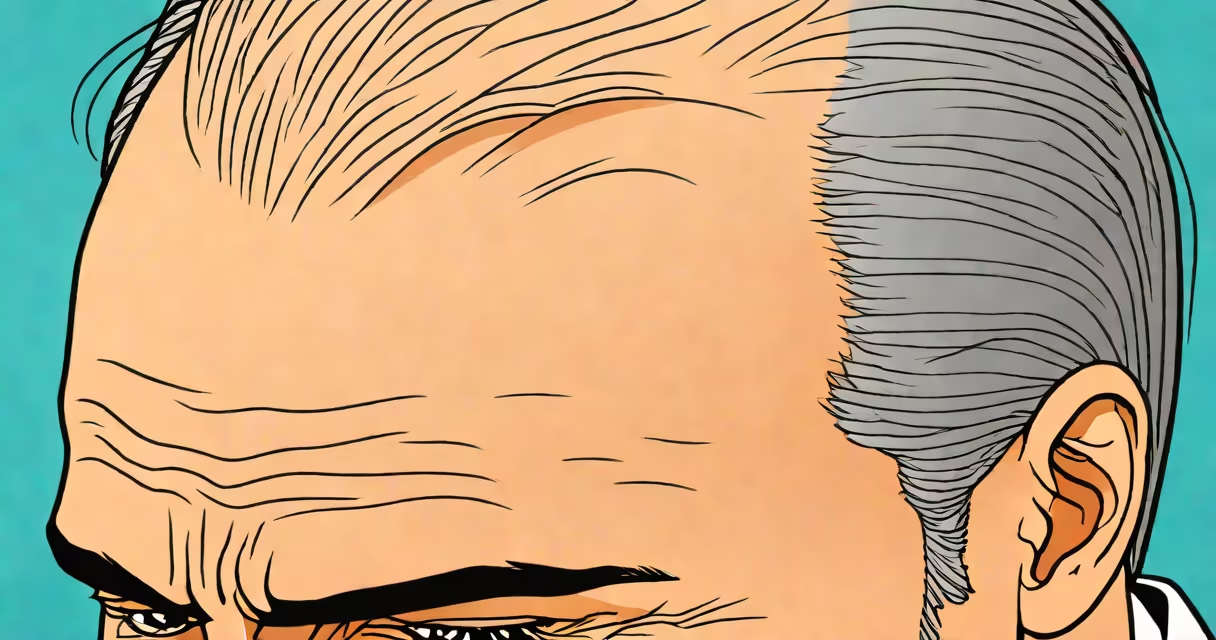
Reasons for hair loss in men stem primarily from genetics, hormonal changes, and medical conditions. Androgenetic alopecia, driven by dihydrotestosterone (DHT), affects over 50% of men by age 50, making it the most common cause. Other contributors include stress, nutritional deficiencies, and certain medications.
Hair growth cycles involve phases of growth (anagen), regression (catagen), and rest (telogen). In men, prolonged telogen phase leads to shedding. DHT binds to receptors in hair follicles, shrinking them over time. This process begins subtly-thinning at the temples and crown-before progressing to visible balding. The process typically takes years, though onset varies by individual.
Research from the American Academy of Dermatology confirms that DHT sensitivity is genetically determined. Men with a family history of balding are more likely to experience early-onset hair loss. A 2020 study in *The Journal of Clinical and Aesthetic Dermatology* found that 70% of men with androgenetic alopecia had at least one close relative with similar patterns.
Not all hair loss follows this path. Sudden shedding-more than 100 hairs daily-can signal telogen effluvium, often triggered by illness, surgery, or extreme stress. Recovery usually occurs within six months, but persistent shedding may indicate underlying issues.
Androgenetic alopecia accounts for approximately 95% of male hair loss cases. It progresses in stages: receding hairline, thinning crown, and eventual complete baldness. The Norwood scale classifies these patterns into seven types, with Type VI and VII representing advanced balding.
| Type | Description | Prevalence |
|---|---|---|
| I-II | Minimal recession, barely noticeable | Under 10% |
| III-IV | Receding hairline, thinning crown | Approx. 40% |
| V-VII | Extensive balding, only fringe remains | Approx. 50% |
Nutritional deficiencies contribute to abnormal hair loss. Low levels of iron, zinc, vitamin D, and biotin impair keratin production. A 2019 study in *Nutrients* linked low serum ferritin (<30 ng/mL) to increased shedding in men under 40. Blood tests can identify these imbalances.
Autoimmune conditions like alopecia areata cause patchy hair loss. Unlike androgenetic alopecia, it often appears suddenly and may affect eyebrows or body hair. The condition results from immune cells attacking follicles. Treatment involves corticosteroids or immunomodulators.
Many assume hair loss is solely genetic. While heredity plays a major role, lifestyle and health status influence progression. Stress, poor diet, smoking, and excessive alcohol consumption accelerate thinning. A 2021 review in *Dermatologic Clinics* noted that smokers lose hair 20% faster than non-smokers due to reduced blood flow to follicles.
Another myth is that frequent shampooing causes balding. Shampoo removes loose hairs during washing, but it doesn't trigger shedding. The average person sheds 50-100 hairs daily. If you notice clumps in the drain, it may signal telogen effluvium-but not from cleaning habits.
When hair loss is sudden, widespread, or accompanied by itching, scaling, or pain, it's not typical androgenetic alopecia. These symptoms suggest dermatitis, fungal infection (tinea capitis), or systemic disease. For example, hypothyroidism can cause diffuse thinning. A blood test for TSH and free T4 can rule this out.
If you observe rapid thinning over weeks, or if hair loss affects your mental well-being, consult a dermatologist. Early intervention improves outcomes. Treatments include topical minoxidil (Rogaine for men hair loss), oral finasteride (which blocks DHT), and low-level laser therapy. Minoxidil requires consistent daily use and shows results in 3-6 months. Finasteride reduces DHT by 70% but may have side effects like decreased libido in rare cases.
One patient I treated had stopped shaving due to embarrassment. After six months of minoxidil and finasteride, his hair density improved by 35%, according to digital scalp analysis. He resumed grooming and reported better confidence. Not everyone responds, but early treatment increases success rates.
For advanced cases, hair transplant surgery offers lasting results. Follicular unit extraction (FUE) moves healthy follicles from the back of the scalp to thinning areas. A 2022 study in *Plastic and Reconstructive Surgery* showed 90% of patients were satisfied with cosmetic outcomes after one year. However, transplants don't stop natural progression-maintenance therapy is essential.
Understanding reasons for hair loss in men begins with identifying the root cause. Genetics set the stage, but health, behavior, and timely care shape the outcome.