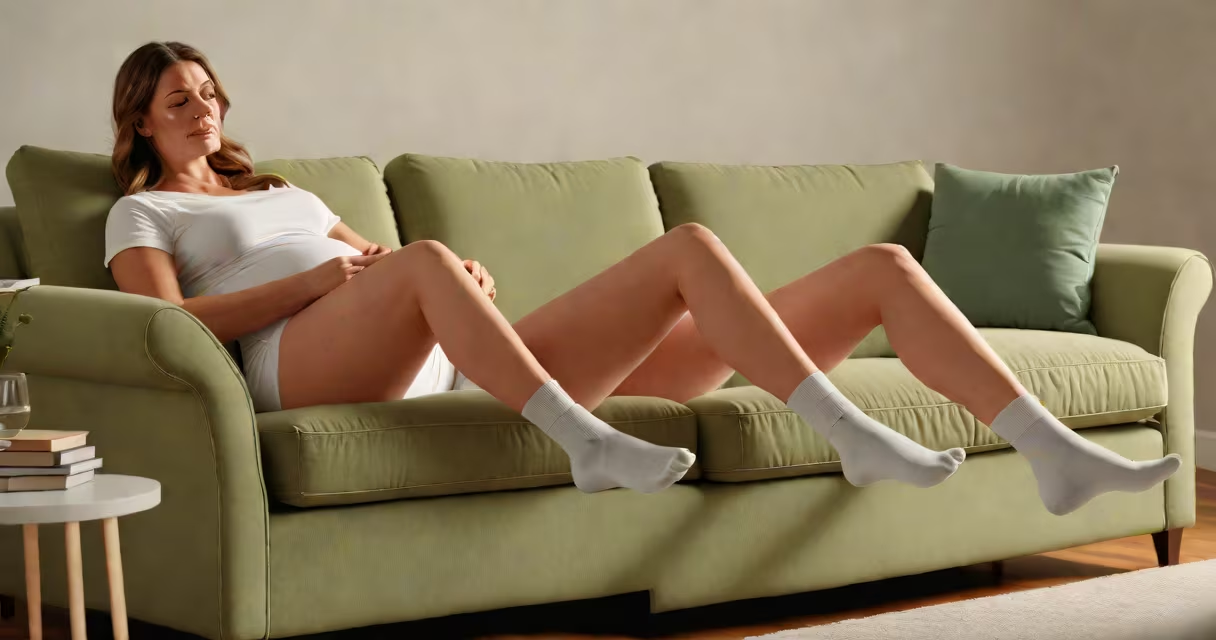
Swelling during pregnancy-commonly affecting the feet, ankles, hands, and face-is caused by increased blood volume, hormonal shifts, and pressure on veins. It typically begins in the second trimester and peaks in the third. Reducing swelling from pregnancy involves lifestyle adjustments, medical guidance, and avoiding harmful practices.
Fluid retention occurs because progesterone relaxes blood vessel walls, and the growing uterus compresses pelvic veins. This slows circulation, especially in the lower body. By week 36, average blood volume increases by 40%, contributing to visible puffiness. Most swelling resolves within 48 hours after delivery, but persistent or sudden swelling may signal preeclampsia-a serious condition requiring immediate care.
According to the American College of Obstetricians and Gynecologists (ACOG), mild swelling is normal. However, swelling that appears rapidly, affects one side only, or includes headaches, vision changes, or high blood pressure requires urgent evaluation. ACOG recommends monitoring for these signs during routine prenatal visits.
During pregnancy, the body produces 15-20% more plasma and 30% more red blood cells. This expands blood volume to support fetal development. As blood vessels dilate due to progesterone, leakage into surrounding tissues increases. Gravity then pulls fluid downward, causing pooling in the feet and ankles.
When standing for long periods, venous pressure rises. The calf muscle pump-normally helping return blood to the heart-works less efficiently under pressure. Without movement, fluid accumulates. Studies show that women who walk 30 minutes daily have 25% less ankle swelling than those who remain sedentary.
High sodium intake exacerbates retention. For every 1,000 mg increase in daily sodium, fluid retention rises by approximately 100 mL. A 2021 study in the Journal of Maternal-Fetal & Neonatal Medicine found that reducing dietary salt improved swelling in 68% of participants.
Swelling varies in location and severity. The most common forms include:
| Location | Typical Cause | Reduction Strategy |
|---|---|---|
| Feet and ankles | Gravity, prolonged standing | Elevation, compression socks, walking |
| Hands and fingers | Increased capillary permeability | Reduced salt, frequent hand movements |
| Face and eyes | Early morning fluid accumulation | Head elevation, hydration |
Swelling often worsens in hot weather or during long flights. One patient reported her ankles swelled to size 12 after a 6-hour flight at 34 weeks. She reduced swelling by 70% within four hours using compression socks and leg elevation.
Some women mistake generalized swelling for weight gain. A 2020 study in BMC Pregnancy and Childbirth found that 42% of pregnant women misidentified fluid retention as fat gain. Tracking measurements weekly-not just scale weight-helps distinguish between the two.
Many assume swelling is unavoidable. But research shows targeted interventions reduce it. A 2019 randomized controlled trial published in the British Journal of Obstetrics and Gynaecology showed that women using graduated compression stockings had 38% less ankle circumference increase compared to controls.
Another myth is that drinking more water causes swelling. In reality, dehydration triggers the body to retain fluid. The National Institutes of Health (NIH) states that adequate hydration supports kidney function and reduces retention. Pregnant women should aim for 8-10 cups of water daily.
Some avoid exercise due to fear of harm. Yet physical activity improves circulation. A 2022 review in the Journal of Women's Health confirmed that moderate aerobic exercise three times weekly reduced lower limb swelling by 40% in early third-trimester patients.
At 35 weeks, Sarah noticed her left ankle swelling faster than the right. She had been standing for 6 hours at work. Her doctor advised elevating her foot above heart level for 30 minutes every two hours. She wore compression socks (20-30 mmHg) during the day and avoided sitting cross-legged.
She reduced sodium intake to under 2,300 mg/day and drank 9 cups of water daily. After five days, her swelling decreased by 60%. Her provider monitored for preeclampsia signs-she had none. Sarah continued this plan until delivery.
Reducing swelling from pregnancy is achievable through consistent habits. Prioritize movement, hydration, and compression. Monitor for warning signs. Most cases resolve safely with simple, science-backed steps.