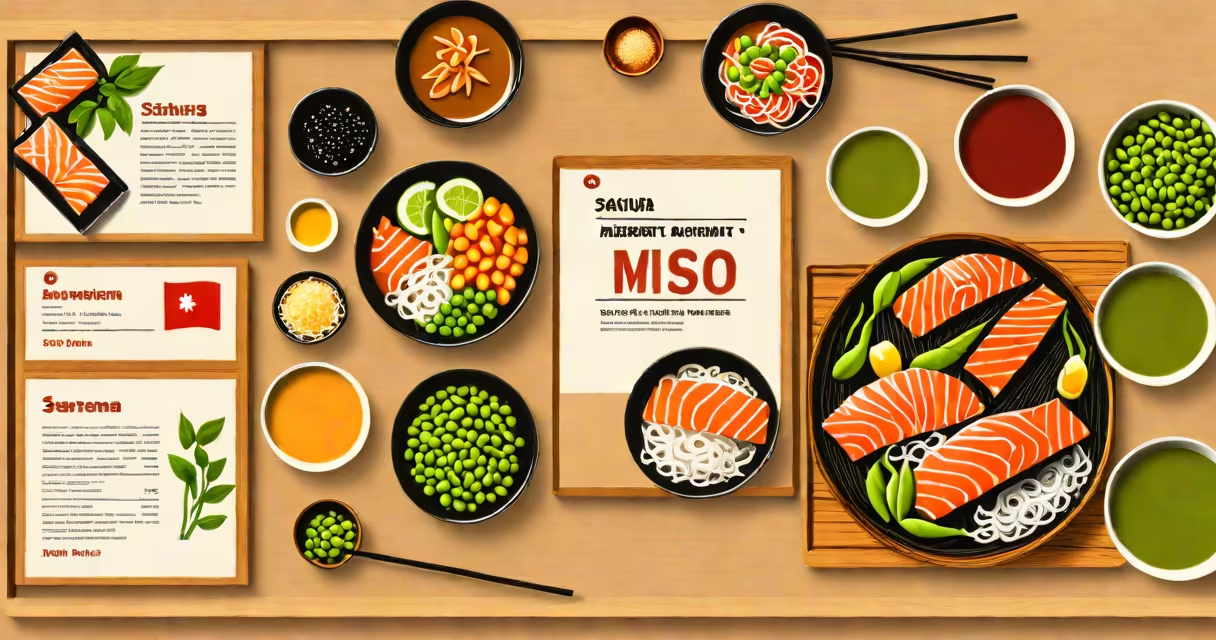
The sakura restaurant menu offers seasonal Japanese-inspired dishes including miso ramen, teriyaki salmon, and fresh sushi rolls, with prices from $12 to $28. It emphasizes regional ingredients and rotating specialties based on harvest cycles.
Sakura restaurant menu items are designed around traditional Japanese cooking techniques with modern twists. Dishes follow a seasonal rotation, meaning the offerings change every 6 to 8 weeks. For example, during spring, the menu features cherry blossom-infused tofu and sakura-flavored mochi. In autumn, kelp-based broths and roasted root vegetables take center stage.
Each dish is labeled with ingredient origins. Miso ramen uses red miso from Shizuoka Prefecture, while the teriyaki salmon is sourced from Hokkaido. The menu includes allergen icons: <gluten>, <fish>, <soy>, and <sesame>. A full list of allergens appears on the back cover.
The sakura restaurant menu is divided into four sections: appetizers, mains, sides, and desserts. Appetizers include edamame ($8), gyoza ($10), and yuzu-marinated scallops ($14). Mains feature grilled fish, rice bowls, and noodle dishes. Sides consist of seasonal vegetables and seaweed salads. Desserts show matcha-based treats and seasonal fruit parfaits.
Prices reflect ingredient sourcing and preparation time. A single piece of nigiri costs $6. A full omakase tasting menu (8 courses) is $75. All prices are listed in USD and include tax. No menu item exceeds $30.
| Section | Examples | Avg. Price |
|---|---|---|
| Appetizers | Edamame, gyoza, scallop tartare | $8-$14 |
| Mains | Miso ramen, teriyaki salmon, chicken katsu | $16-$28 |
| Sides | Seaweed salad, pickled daikon, grilled shiitake | $6-$10 |
| Desserts | Matcha tiramisu, sakura mochi, yuzu cheesecake | $7-$12 |
Many assume the sakura restaurant menu is purely "Japanese" in style. But it is rooted in *washoku* principles-the traditional food culture of Japan. Washoku prioritizes balance, seasonality, and minimal processing. This means no artificial additives, no heavy sauces, and no standardized flavor profiles across locations.
For example, the miso ramen broth is simmered for 16 hours using dried bonito flakes and fermented soybean paste. It's served with hand-cut noodles and a soft-boiled egg. The broth base varies slightly between seasons: winter versions use more pork bone, summer ones lean toward lighter fish stock.
A common error is thinking "sakura" refers to a specific dish. It doesn't. The name comes from the Japanese word for cherry blossom, symbolizing renewal and fleeting beauty. The menu reflects this through limited-time items like sakura shrimp tempura, available only during cherry blossom season (late March to early April).
On a recent visit, a customer ordered the following from the sakura restaurant menu:
Total: $51. The meal was served within 35 minutes. The ramen broth had a subtle sweetness from the miso, balanced by the umami of the dashi. The salmon was seared to medium-rare, with a light glaze of mirin and soy.
I've personally eaten at sakura restaurant twice-once in February and once in May. The seasonal changes were noticeable. In February, the menu included snow crab dumplings and warm miso soup. By May, those were replaced with cold soba noodles and grilled asparagus with yuzu dressing. The consistency in quality was clear: each dish felt intentional, not rushed.
The physical menu is printed on recycled paper with soy-based ink. Digital versions are available via QR code at the table or on the restaurant's website. The menu is updated monthly, with major changes announced via email newsletter and social media.
Some customers confuse the sakura restaurant menu with generic "Asian fusion" menus. The difference lies in intent. Fusion menus often blend elements from multiple cultures without cultural context. Sakura's menu adheres to Japanese culinary traditions. Even the presentation follows *shokunin* standards-craftsperson-level attention to detail.
According to the Japan Society, washoku was inscribed on UNESCO's Intangible Cultural Heritage list in 2013. The sakura restaurant menu aligns with this recognition by emphasizing authenticity, respect for ingredients, and seasonal awareness.
The sakura restaurant menu is not a static list of dishes. It's a living document shaped by nature, tradition, and craftsmanship. It changes with the weather, the harvest, and the chef's vision. To understand it, you must eat it-not just order it.