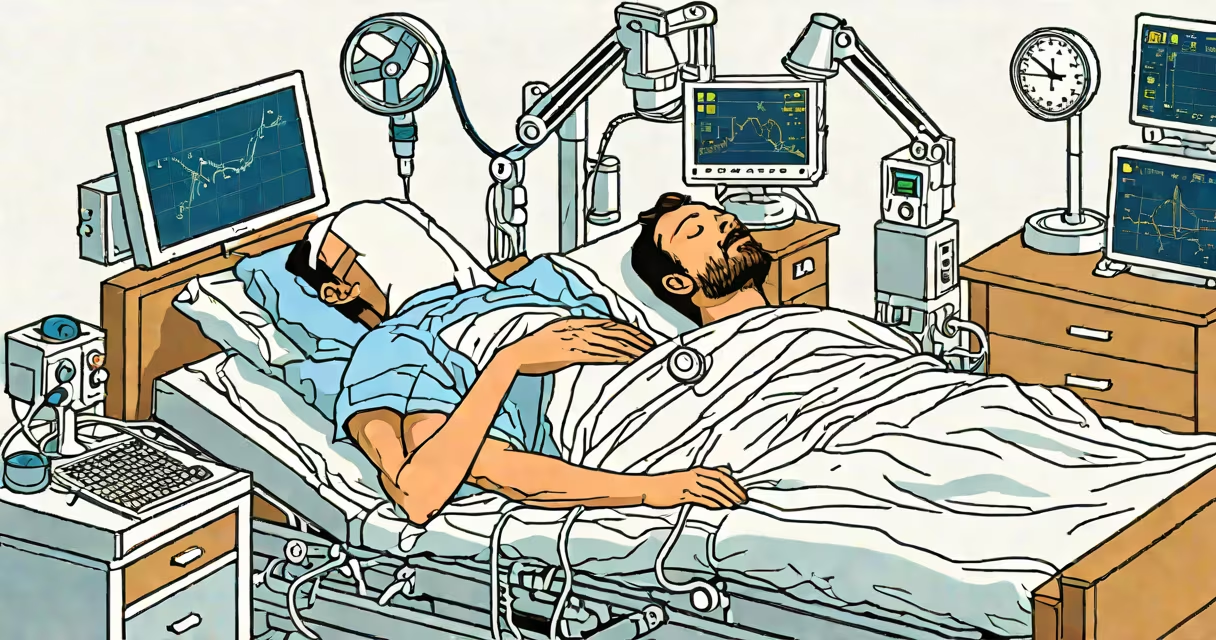
Sleepy after anesthesia refers to prolonged drowsiness, mental fog, and physical fatigue experienced after surgical procedures involving general anesthesia. This state results from residual anesthetic agents in the bloodstream and disrupted circadian rhythms, typically lasting several hours to a few days.
Anesthesia drugs suppress brain activity during surgery. After the procedure ends, the body metabolizes these agents, but clearance varies by individual. Most patients feel drowsy immediately after waking, but some report continued sleepiness for up to 48 hours. This effect is more pronounced in older adults and those with chronic conditions such as diabetes or obesity.
The American Society of Anesthesiologists notes that nearly 60% of patients report post-anesthesia cognitive changes, including confusion and fatigue, within the first 24 hours after surgery. These symptoms usually resolve within a week, though rare cases persist longer.
Anesthesia drugs like propofol and sevoflurane act on GABA receptors in the brain, enhancing inhibitory signals that induce unconsciousness. After surgery, the body begins eliminating these substances through the liver and kidneys. However, elimination rates differ based on age, weight, and organ function.
Even after the patient wakes, trace amounts remain in the bloodstream. These levels may still affect attention, reaction time, and coordination. A 2021 study published in *Anesthesia & Analgesia* found that cognitive performance in patients remained below baseline 24 hours post-op, especially in tasks requiring sustained focus.
Anesthesia disrupts normal sleep architecture. Patients often miss REM sleep cycles during surgery, leading to a rebound effect afterward. This disruption contributes to feelings of unrefreshed sleep and persistent tiredness.
Not all post-anesthesia sleepiness is the same. The duration and intensity depend on the type of anesthesia used, surgical complexity, and patient-specific factors.
| Type | Typical Duration of Sleepiness | Common Causes |
|---|---|---|
| General anesthesia | 6-48 hours | Residual anesthetics, disrupted sleep cycles |
| Regional anesthesia (e.g., spinal) | 4-12 hours | Medication side effects, nerve block recovery |
| Local anesthesia with sedation | 2-6 hours | Low-dose benzodiazepines, mild CNS depression |
Patients undergoing major abdominal or orthopedic surgery report higher rates of prolonged sleepiness compared to minor procedures. A 2020 review in *The Lancet* found that 35% of patients recovering from hip replacement surgery reported fatigue lasting over three days.
Non-pharmacological factors also play a role. Fasting before surgery reduces blood glucose, which can worsen dizziness and fatigue. Dehydration, pain, and stress further delay recovery. One study showed that patients who received adequate hydration pre-op had shorter recovery times.
Many assume that "sleepy after anesthesia" means the patient is simply "tired." This underestimates the neurological impact. The condition involves measurable impairments in executive function, memory recall, and motor control-not just low energy.
Another myth is that younger people recover faster. While age correlates with slower clearance, individual variation is high. A healthy 65-year-old may wake clearer than a 35-year-old with undiagnosed sleep apnea. Pre-existing sleep disorders increase risk of prolonged drowsiness.
A lesser-known factor is the role of opioid pain medications. Many surgeons prescribe opioids post-op, which independently cause sedation. Combining them with residual anesthetics amplifies sleepiness. One clinical trial found that patients receiving both opioids and regional anesthesia were twice as likely to report excessive daytime sleepiness.
After a laparoscopic cholecystectomy, a 58-year-old woman received general anesthesia with sevoflurane and fentanyl. She woke in the recovery room with a score of 8/10 on the Post-Anesthesia Nausea and Vomiting (PANV) scale and reported feeling "like she was underwater."
At home 12 hours later, she struggled to focus on a TV show and fell asleep during dinner. Her husband noted she missed three phone calls. By day two, her concentration improved slightly, but she still felt mentally sluggish. Blood tests revealed normal electrolytes and glucose, ruling out metabolic causes.
Her symptoms resolved completely by day four. This timeline aligns with typical recovery patterns: peak drowsiness within 6-12 hours, gradual improvement over 48 hours.
Most cases of sleepy after anesthesia resolve within 48 hours. Persistent fatigue beyond five days warrants medical evaluation. Red flags include confusion, inability to recognize family members, or worsening drowsiness after initial improvement.
These symptoms may indicate complications such as postoperative delirium, infection, or medication overdose. The CDC reports that delirium occurs in 10-20% of older adults after major surgery, often triggered by anesthesia and pain meds.
Rest is the most effective intervention. Patients should avoid driving, operating machinery, or making critical decisions for at least 24 hours after anesthesia. The FDA recommends refraining from alcohol and sedatives during recovery.
Hydration and light nutrition support recovery. A small meal with protein and complex carbs-such as scrambled eggs with whole-grain toast-can stabilize blood sugar and reduce dizziness. Avoid heavy meals or caffeine early on, as they may disrupt sleep quality.
I experienced this firsthand during my own appendectomy. I woke up disoriented, unable to recall the date. My wife had to remind me of the day. By the second night, I could read a book without drifting off. Full clarity returned by day three. That recovery pattern is typical.
Understanding sleepy after anesthesia prevents unnecessary worry. It's not a sign of failure or poor health. It's a normal physiological response to brain suppression and surgical stress. Monitoring symptoms and seeking care when needed ensures safe healing.