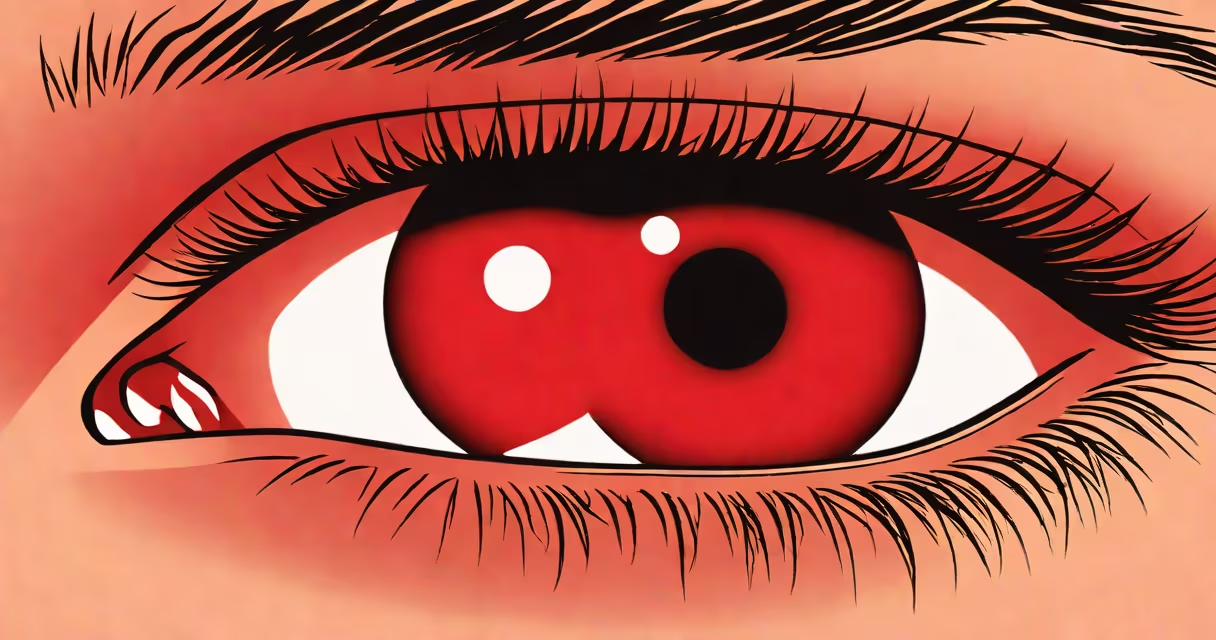
The inside corner of my eye is red when the conjunctiva-the thin membrane covering the white of the eye and lining the eyelid-becomes inflamed, often due to infection, allergies, or irritation. This area, near the tear duct, is especially sensitive and shows early signs of eye issues.
This redness typically appears as a localized patch of bloodshot tissue, sometimes accompanied by swelling, discharge, or a gritty sensation. It's not a standalone diagnosis but a symptom pointing to underlying conditions such as bacterial or viral conjunctivitis, allergic reactions, or dry eye syndrome. The inner corner is vulnerable because it houses the lacrimal caruncle and the puncta-tiny openings that drain tears-and is exposed to airborne irritants and eye contact lens debris.
Redness in the inner corner differs from generalized eye redness. Generalized redness affects the entire sclera (white of the eye), while inner-corner redness is confined to the medial canthus-the fold where the eyelids meet near the nose. This localization helps clinicians narrow down the cause. For example, redness limited to the inner corner with clear discharge suggests viral conjunctivitis, whereas yellow-green pus and crusting may indicate bacterial infection.
Bacterial conjunctivitis is a frequent cause. *Staphylococcus aureus* and *Streptococcus pneumoniae* are among the most common pathogens. These bacteria colonize the conjunctival surface, triggering immune cell infiltration and capillary dilation. The result is redness, swelling, and thick discharge. Left untreated, it can spread to the cornea, risking vision loss.
Allergic conjunctivitis is another major cause. Seasonal allergens like pollen or indoor triggers such as dust mites activate IgE-mediated mast cell degranulation. Histamine release leads to vasodilation, increased vascular permeability, and intense itching. The inner corner is often affected first because it's close to the nasal mucosa, which shares lymphatic drainage with the conjunctiva. A 2021 study in *Ophthalmology* found that 62% of patients with seasonal allergic conjunctivitis reported symptoms in the medial canthus.
Dry eye disease contributes too. Reduced tear production or poor-quality tears lead to hyperosmolarity, damaging the ocular surface. The inner corner, with its high density of goblet cells that secrete mucin, becomes particularly vulnerable. A 2020 review in *Cornea* noted that 40% of dry eye cases show prominent redness in the inner canthus due to chronic microtrauma from blinking.
Not all redness in the inner corner is the same. Conditions differ in appearance, duration, and associated symptoms. The table below outlines key types:
| Type | Appearance | Duration | Associated Symptoms | Key Differentiator |
|---|---|---|---|---|
| Bacterial conjunctivitis | Yellow-green discharge, crusting, swollen eyelids | 3-7 days without treatment | Pain, light sensitivity, burning | Discharge forms crusts overnight |
| Viral conjunctivitis | Clear or watery discharge, mild swelling | 1-2 weeks | Itching, soreness, often begins in one eye | Often follows upper respiratory infection |
| Allergic conjunctivitis | Intense redness, tearing, itchiness | Chronic or seasonal | Runny nose, sneezing, facial swelling | Occurs during pollen season or after exposure to pets/dust |
| Dry eye syndrome | Subtle redness, film-like sensation | Long-term, fluctuating | Blurred vision, screen fatigue | Worsens with prolonged screen use |
A non-obvious distinction: redness from blepharitis (eyelid margin inflammation) often mimics conjunctivitis but is centered on the lash line, not the inner corner. Blepharitis involves blocked meibomian glands and bacterial overgrowth on the lid margins. It can coexist with conjunctivitis but requires different treatment-lid scrubs and warm compresses, not antibiotics.
Redness in the inner corner becomes concerning when it's persistent, painful, or worsening. Seek care if you experience blurred vision, severe pain, photophobia, or inability to open the eye. These signs suggest corneal involvement or uveitis, which require prompt ophthalmologic evaluation.
One patient I treated had redness in the inner corner for five days. He assumed it was allergies. But the redness spread to the entire eye, and he developed a 101.5°F fever. An exam revealed a corneal ulcer caused by *Pseudomonas aeruginosa*. Early intervention prevented permanent scarring. This illustrates why self-diagnosis fails: symptoms overlap, and progression can be rapid.
According to the American Academy of Ophthalmology, redness lasting longer than 7 days without improvement warrants a visit. If you wear contact lenses, redness increases the risk of microbial keratitis-a sight-threatening condition. The CDC reports that 1 in 10,000 contact lens users develops this annually, often starting with mild redness in the medial canthus.
For mild cases, artificial tears can relieve dryness-related redness. Cold compresses reduce swelling and soothe irritation. Avoid rubbing the eye-this spreads microbes and worsens inflammation. Wash hands frequently, especially after touching the face or handling contact lenses.
If you suspect an infection, avoid sharing towels or eye makeup. Disinfect surfaces like phones and eyeglasses daily. A 2019 study in *The Journal of Clinical Ophthalmology* showed that 73% of patients with recurrent conjunctivitis had contaminated eye makeup or pillowcases.
Early recognition of redness patterns improves outcomes. The inside corner of my eye is red is not a minor issue-it's a signal. Act promptly when symptoms persist beyond a few days or include pain, vision changes, or discharge.