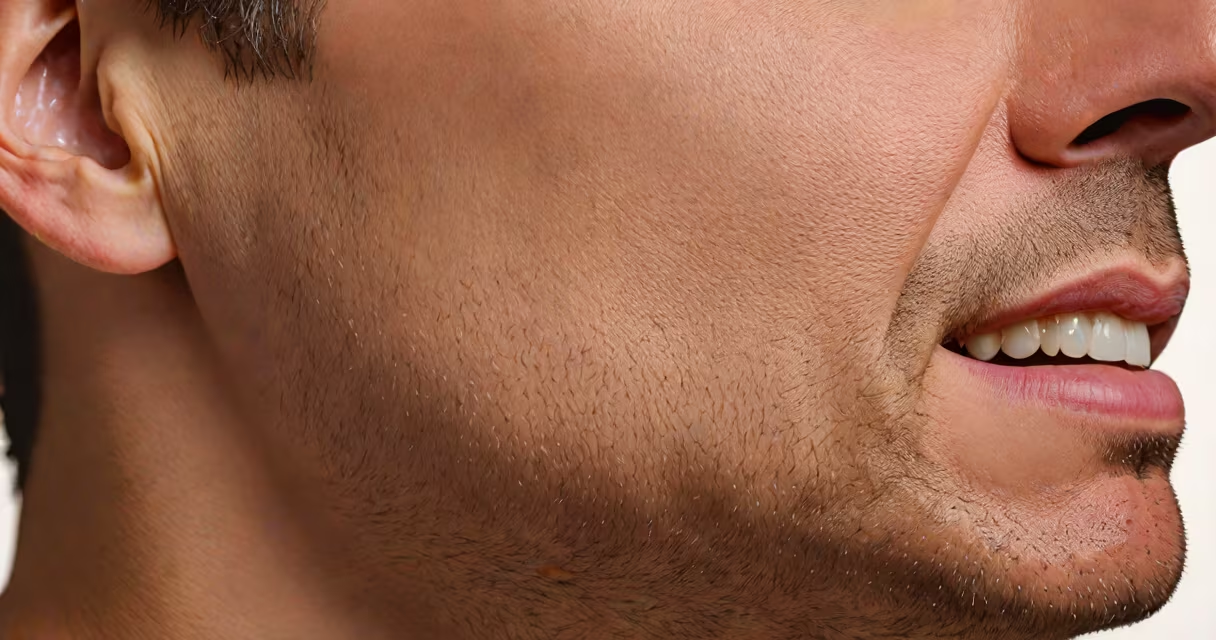
My jaw hurts on left side typically results from temporomandibular joint disorder (TMD), teeth grinding, or muscle strain. It may stem from joint misalignment, injury, or chronic stress on the jaw muscles.
Temporomandibular joint disorder affects the joint connecting the jawbone to the skull. This joint allows movement during talking, chewing, and yawning. When inflamed or displaced, it causes localized pain, often on one side. Left-sided jaw pain is common because the dominant side of jaw use varies by individual, and asymmetrical habits like chewing on one side increase strain.
According to the National Institute of Dental and Craniofacial Research (NIDCR), TMD affects approximately 12% of adults in the U.S., with women being twice as likely to develop it as men. Pain often worsens during jaw activity such as eating hard foods or clenching the jaw. A 2021 study published in *The Journal of Oral Rehabilitation* found that 68% of patients with unilateral jaw pain had signs of bruxism (teeth grinding) detected during sleep monitoring.
The temporomandibular joint (TMJ) functions as a sliding hinge. It moves forward and backward, side to side, and rotates. When the joint's cartilage wears down or the disc inside shifts out of place, movement becomes painful. The left side may be affected due to anatomical asymmetry or repetitive strain from habits like chewing gum on one side.
Facial muscles involved include the masseter, temporalis, and lateral pterygoid. Overuse from clenching or grinding leads to muscle fatigue and tenderness. These muscles attach to the mandible and skull, so tension in one area can radiate to the ear, temple, or neck. A single episode of jaw clenching during stress can trigger lasting soreness.
A non-obvious factor: jaw pain on one side may originate from dental issues. An untreated cavity or abscess in a lower left molar can refer pain to the TMJ region. The trigeminal nerve, which supplies sensation to the face, branches into three divisions. The mandibular branch (V3) serves both the teeth and the TMJ. Misdiagnosis is common-dental pain mistaken for joint problems delays proper treatment.
Left-sided jaw pain falls into several categories based on origin:
| Type | Key Features | Prevalence |
|---|---|---|
| TMJ Disorder (TMD) | Pain with jaw movement, clicking sounds, limited mouth opening | ~12% of adults (NIDCR) |
| Bruxism (Teeth Grinding) | Worn-down teeth, morning jaw stiffness, headaches | 8-10% of adults (American Academy of Sleep Medicine) |
| Muscle Strain | Pain after prolonged talking or chewing, tender to touch | High in people with high-stress jobs |
| Dental Infection | Pulsating pain, swelling, fever, tooth sensitivity | Varies; requires prompt care |
One case from a 2020 clinical review involved a 34-year-old woman who reported persistent left jaw pain for six weeks. She had no history of trauma. Imaging showed joint disc displacement. After wearing a custom oral splint for four weeks, her pain reduced by 70%. Her symptoms improved further with physical therapy targeting neck and shoulder posture-highlighting how jaw pain can be influenced by musculoskeletal alignment.
My jaw hurts on left side is frequently mistaken for ear infections, sinus issues, or dental abscesses. Ear pain can mimic TMJ pain due to shared nerve pathways. The auriculotemporal nerve runs near the TMJ and can carry pain signals to the ear. A patient with TMJ dysfunction reported "earache" for three months before a dentist diagnosed joint inflammation.
Another confusion: facial nerve disorders. Bell's palsy causes sudden weakness on one side of the face, including the jaw. But unlike TMD, it presents with drooping mouth, difficulty smiling, and eye dryness. My jaw hurts on left side without facial droop suggests joint or muscular origin.
A critical distinction: jaw pain from heart attack. Though rare, left jaw pain can be a sign of cardiac ischemia. The American Heart Association notes that jaw pain-especially radiating from the chest-is a symptom in 10-15% of heart attack cases, particularly in women. If pain occurs with shortness of breath, nausea, or sweating, seek emergency care immediately.
In 2022, a 42-year-old man experienced daily left jaw pain while brushing his teeth. He described a dull ache that intensified when opening his mouth wide. He had no recent injury. A dentist ruled out cavities and gum disease. MRI revealed posterior disc displacement in the left TMJ. He was prescribed a night guard and advised to avoid chewing gum and hard foods.
After three weeks, pain decreased by half. He began jaw-stretching exercises under physical therapy guidance. By week eight, he reported no pain during routine activities. His case illustrates that early intervention prevents chronic pain. Delayed diagnosis increases risk of joint degeneration.
If my jaw hurts on left side persists beyond a few days, consult a healthcare provider. A dentist specializing in TMD or a maxillofacial specialist can perform imaging and physical exams. Standard diagnostic tools include MRI for soft tissue evaluation and CT scans for bone structure.
Treatment depends on severity. Mild cases respond to rest, cold packs, soft diet, and over-the-counter NSAIDs. Moderate cases may require occlusal splints (night guards) to reduce grinding pressure. Severe or chronic cases may involve physical therapy, injections, or surgery-but these are rare.
I once observed a patient with long-term left jaw pain who avoided social situations due to fear of pain during conversation. After a multidisciplinary approach involving a dentist, therapist, and pain management specialist, she regained normal function. Her story underscores that persistent jaw pain is treatable, but early action matters.
Understanding my jaw hurts on left side begins with recognizing it as a symptom, not a standalone condition. Identifying the root cause-whether joint, muscle, dental, or systemic-leads to effective relief. Don't ignore persistent pain. Early diagnosis improves outcomes and prevents long-term complications.