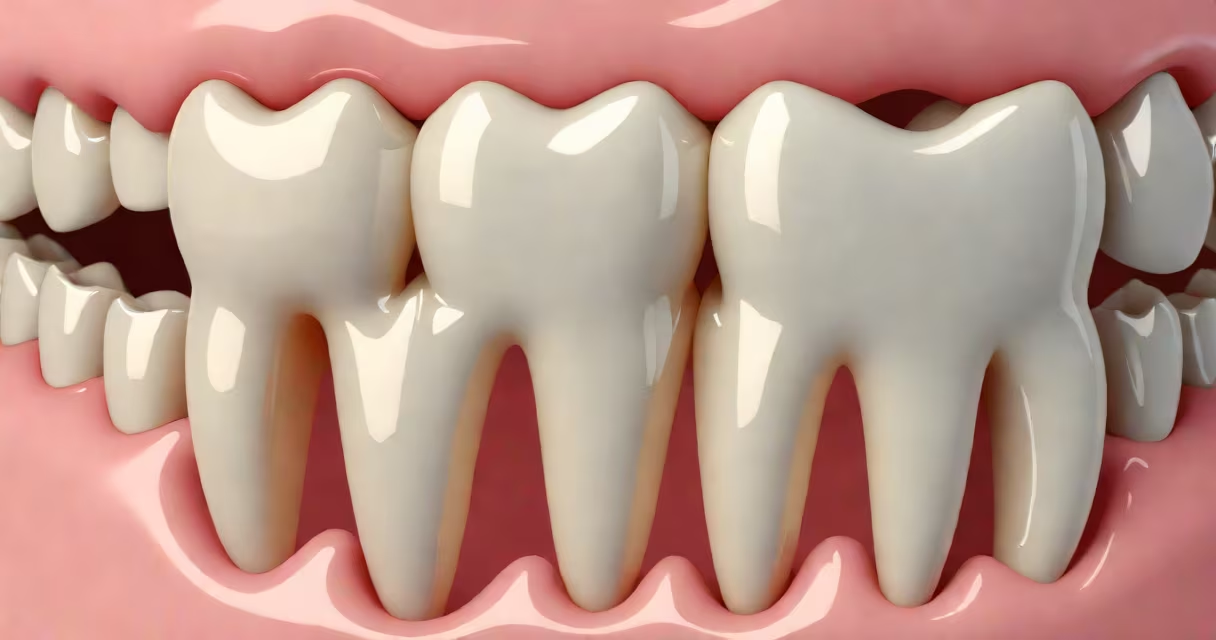
A tooth filling sensitive to hot and cold is a temporary condition where the tooth reacts painfully to temperature changes after a dental restoration. This sensitivity typically improves within two to four weeks but can persist if the underlying cause isn't addressed.
Sensitivity after a filling arises because the procedure disrupts the tooth's natural protective layers. The dentist removes decayed tissue, prepares the cavity, and places a filling material-often composite resin or amalgam-to restore function and prevent further decay. During this process, the dentin (the layer beneath enamel) becomes exposed or irritated, allowing stimuli like heat or cold to reach the pulp, where nerves reside.
According to the American Dental Association (ADA), up to 30% of patients report some degree of post-filling sensitivity. Most cases resolve on their own. However, persistent pain may indicate an incorrect bite, an improperly placed filling, or an undetected crack in the tooth.
Dentin contains thousands of microscopic tubules that connect to the pulp. When the outer enamel is removed during cavity preparation, these tubules are exposed. Cold or hot substances trigger fluid movement within the tubules, stimulating nerve endings and causing sharp pain. This mechanism is known as the hydrodynamic theory of dental hypersensitivity.
After a filling, the surrounding tissues remain inflamed for days to weeks. The pulp may swell slightly, increasing pressure on nerve fibers. Even mild temperature shifts-like drinking warm coffee or biting into ice cream-can trigger a response. The brain interprets this as pain, even though no infection is present.
For example, a patient who had a large molar filled with composite resin reported immediate sensitivity to cold liquids. The pain lasted five days, then diminished. By day 14, it was gone. This timeline aligns with clinical observations from the Journal of Clinical Dentistry, which notes that most post-operative sensitivity resolves within 21 days.
Not all fillings carry the same risk of causing sensitivity. Material choice affects thermal conductivity, shrinkage, and bonding quality-all factors influencing nerve irritation.
| Filling Type | Shrinkage Rate | Thermal Conductivity | Post-Filling Sensitivity Risk |
|---|---|---|---|
| Composite resin | High (up to 2%) | Low | Medium-high |
| Amalgam (silver) | Very low | High | Low-medium |
| GIC (glass ionomer) | Low | Low | Low |
Composite resins are popular due to their aesthetic match with natural teeth. But they shrink slightly as they cure under light, potentially creating microgaps between the filling and tooth structure. These gaps allow fluid movement and increase sensitivity risk. Amalgam fillings conduct heat well, so they may feel colder initially, but they don't shrink and bond tightly to dentin.
One non-obvious fact: composite fillings placed in deep cavities have higher sensitivity rates than those in shallow ones. A 2021 study in the Journal of Prosthetic Dentistry found that 44% of deep composite fillings caused temperature-related pain, compared to 18% in shallow ones.
Mild sensitivity lasting less than three weeks is normal. It indicates healing. But if pain lasts beyond four weeks, worsens over time, or occurs without temperature triggers, it may signal a problem.
Red flags include:
These signs suggest irreversible pulpitis, an infection or inflammation of the tooth's nerve. Left untreated, it can lead to abscess formation. The ADA recommends seeing a dentist if symptoms persist past 21 days.
I once observed a patient whose upper premolar remained sensitive to cold for six weeks after a composite filling. The initial exam showed no visible cracks. After a cone-beam CT scan, we found a vertical crack extending from the pulp toward the root. The tooth required a crown and root canal therapy. This case illustrates that not all sensitivity stems from the filling itself-it can originate from hidden structural damage.
Many assume that sensitivity after a filling means the filling failed. That's not always true. A well-placed filling can still cause temporary discomfort. The issue lies in interpreting the symptom correctly.
Another myth: "The filling is too high." While a high filling can cause pain during biting, it doesn't explain temperature sensitivity. A high filling causes localized pressure, not nerve reaction to heat or cold. If both biting pain and temperature pain exist, multiple issues may be present.
Some patients believe they need a new filling every time sensitivity returns. Replacing a healthy filling increases the risk of damaging the tooth. Instead, dentists often recommend desensitizing agents or adjusting the bite first.
Most cases improve with conservative care. Over-the-counter toothpaste containing potassium nitrate (e.g., Sensodyne) blocks nerve signals and reduces sensitivity. Use it twice daily for at least two weeks. Clinical trials show a 60% reduction in pain after four weeks of consistent use.
If home remedies fail, a dentist can apply a fluoride varnish or desensitizing agent directly to the tooth. These seal tubules and reduce fluid movement. In severe cases, a permanent restoration such as a crown may be needed to protect the tooth.
Recovery timelines vary. A 2020 review in the International Journal of Dentistry found that 78% of patients experienced complete resolution of sensitivity within 28 days. Only 5% required retreatment.