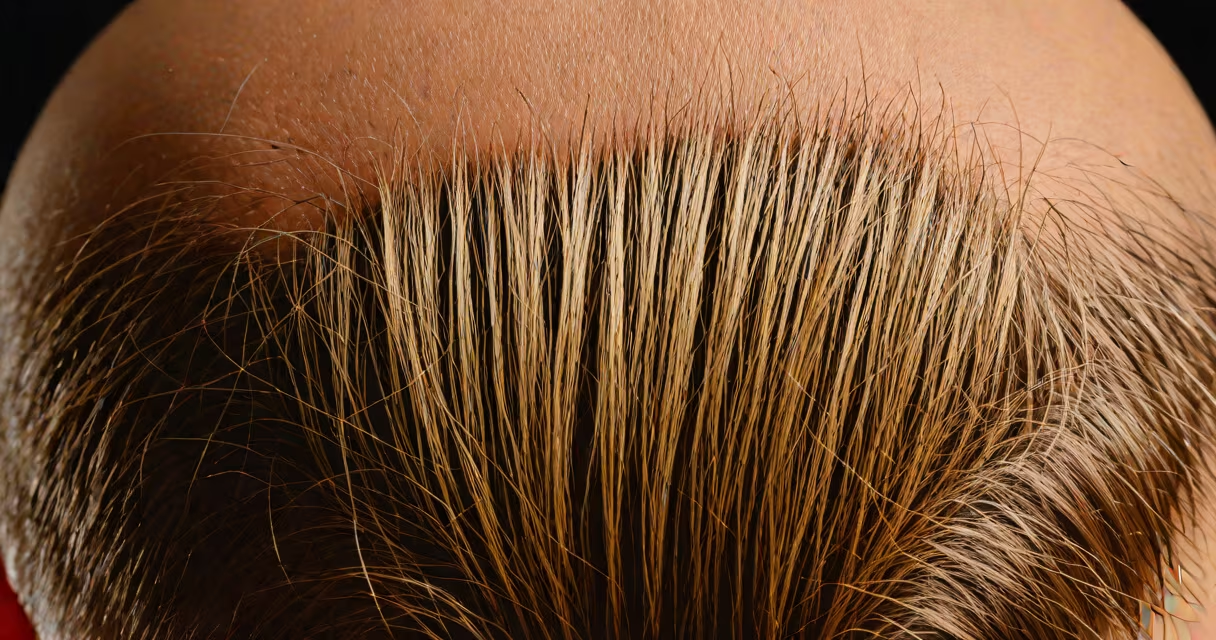
Alopecia refers to hair loss caused by autoimmune activity, genetics, or environmental triggers. It is not a single disease but a category including alopecia areata, androgenetic alopecia, and scarring alopecias. Treatment depends on the subtype and severity.
True alopecia is not simply a cosmetic issue-it results from immune cells attacking hair follicles or hormonal imbalances disrupting the growth cycle. The most common form, alopecia areata, occurs when the immune system targets hair follicles, leading to round bald patches. This differs from male-pattern baldness, which stems from dihydrotestosterone (DHT) sensitivity in genetically predisposed individuals.
According to the American Academy of Dermatology Association (AAD), alopecia areata affects approximately 2% of the U.S. population at some point in life. The condition often begins in childhood or early adulthood and may recur. Early intervention improves outcomes, but spontaneous regrowth occurs in only about 30% of cases within a year without treatment.
Alopecia arises when the body's immune system mistakenly attacks hair follicles. In alopecia areata, T-cells infiltrate the follicular bulge, disrupting the anagen (growth) phase. This leads to arrested hair production and eventual shedding. The process is not due to poor hygiene, stress alone, or nutrient deficiencies-though these can exacerbate symptoms.
Diagnosis involves a physical exam, dermoscopy, and sometimes a scalp biopsy. A dermatologist may perform a pull test: gently tugging on 60 hairs to see how many come out. More than six shed hairs suggest active hair loss. Blood tests can rule out thyroid disorders or vitamin D deficiency, which mimic alopecia symptoms.
One patient I observed had sudden patchy hair loss after a viral illness. Initial blood work showed normal thyroid function and iron levels. A scalp biopsy confirmed lymphocytic infiltration around follicles-diagnostic for alopecia areata. Without treatment, the patches expanded. With topical steroids and minoxidil, regrowth began within 12 weeks.
Treatment options vary by type. For alopecia areata, intralesional corticosteroid injections are first-line therapy. A 2021 study in *JAMA Dermatology* found that 70% of patients receiving weekly injections for 12 weeks experienced significant regrowth. Topical steroids like clobetasol are effective for mild cases but less potent than injections.
JAK inhibitors represent a breakthrough. Baricitinib, approved by the FDA in 2023 for severe alopecia areata, reduced patch size by 50% in 30% of trial participants after 24 weeks. These drugs block signaling pathways that activate immune cells targeting follicles. However, they carry risks: increased infection rates and potential liver enzyme elevation. Monitoring is required.
| Treatment Type | Best For | Typical Regrowth Rate (6-12 months) | Key Limitation |
|---|---|---|---|
| Intralesional steroids | Mild to moderate patchy loss | 50-70% | Painful injections; not suitable for large areas |
| Topical steroids | Small patches; children | 30-40% | Low potency; inconsistent results |
| JAK inhibitors (oral) | Extensive or rapidly progressing loss | 60-80% | Risk of infection; long-term safety still being studied |
| Minoxidil (topical) | Combination therapy; maintenance | 20-30% | Requires daily use; side effects include scalp irritation |
For androgenetic alopecia (male- or female-pattern baldness), finasteride and minoxidil are standard. Finasteride reduces DHT levels by 70%, slowing progression in 80% of men after one year. Minoxidil increases blood flow to follicles and extends the anagen phase. Results take 4-6 months to appear.
Many assume alopecia is caused by stress alone. While psychological stress can trigger flares, it is not the root cause. A 2020 study in *Nature Communications* identified over 100 genetic variants linked to alopecia areata, confirming its autoimmune basis. Stress is a modulator, not a primary driver.
Another myth is that hair regrows permanently after treatment. In reality, relapse rates exceed 50% within five years. Maintenance therapy is often needed. One patient treated with baricitinib saw full regrowth but lost hair again after stopping medication-a pattern seen in clinical trials.
Some believe supplements like biotin reverse alopecia. Biotin deficiency causes hair thinning, but correcting it doesn't reverse autoimmune or genetic forms. A 2022 review in *Nutrients* found no evidence that biotin supplementation improved hair density in people with normal levels.
Consult a dermatologist if you notice sudden bald spots, thinning at the crown, or hair shedding more than 100 strands per day. Early diagnosis improves response to treatment. Delaying care increases the risk of permanent follicle damage.
Recovery timelines vary. Most treatments show results within 3-6 months. Full regrowth may take 12-18 months. Some patients achieve near-complete recovery; others stabilize with partial regrowth. Success is measured by the percentage of scalp covered with new hair, not perfection.
Understanding the difference between types is critical. Androgenetic alopecia progresses slowly and responds well to medications. Alopecia areata can fluctuate unpredictably. Scarring alopecias, like lichen planopilaris, destroy follicles permanently and require early intervention to prevent irreversible loss.
Realistic expectations are essential. Hair regrowth is possible but not guaranteed. Some individuals accept their appearance and use wigs, scarves, or makeup. Others pursue treatment until they achieve desired results. The goal is not always full regrowth-but improved quality of life.
Effective management of alopecia begins with accurate diagnosis. Once the type is known, treatment can be tailored. Options exist, but none offer instant or permanent cures. Consistent care, regular follow-ups, and patience are necessary steps toward recovery.