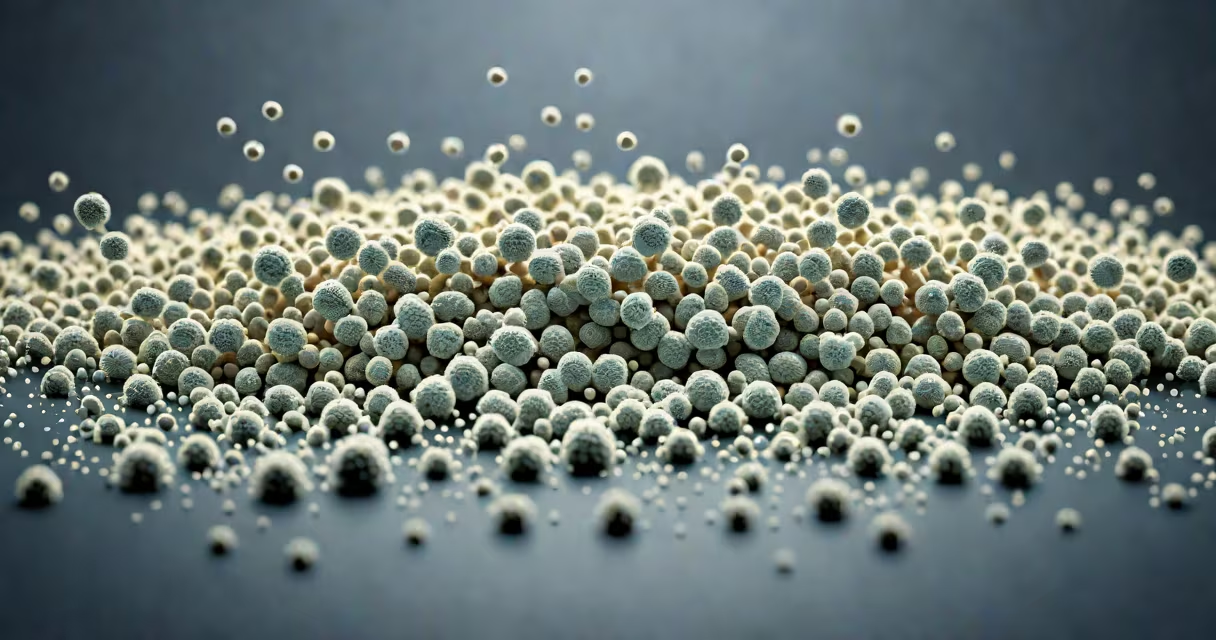
Histamine is a chemical messenger released by immune cells called mast cells and basophils in response to allergens, injury, or infection. It triggers inflammation, increases blood flow, and activates nerve endings, leading to symptoms like itching, swelling, and congestion. This process is central to allergic reactions and certain autoimmune responses.
Mast cells, located in connective tissues throughout the body-especially in the skin, lungs, gut, and nasal passages-store histamine in granules. When triggered by allergens such as pollen, dust mites, or food proteins, these cells degranulate, releasing histamine into surrounding tissue. The molecule then binds to four types of receptors (H1-H4), each producing distinct physiological effects depending on location.
For example, histamine binding to H1 receptors in blood vessels causes dilation and increased permeability, resulting in swelling and redness. Activation of H1 receptors in nerves leads to intense itching. In the respiratory tract, histamine causes bronchoconstriction and mucus production-hallmarks of asthma and hay fever. These responses evolved to expel harmful substances, but in allergies, they overreact to harmless stimuli.
Before release, histamine is synthesized from the amino acid histidine. Enzymes in mast cells, particularly L-histidine decarboxylase, convert histidine into histamine. Once formed, it is stored in vesicles until a trigger activates the cell. Common triggers include IgE-mediated allergies, physical trauma, infections, and certain drugs like morphine or neuromuscular blockers.
Non-allergic triggers also exist. For instance, foods high in histamine-such as aged cheese, fermented vegetables, and cured meats-can cause symptoms similar to an allergic reaction. This occurs because the body lacks sufficient diamine oxidase (DAO), the enzyme responsible for breaking down dietary histamine. In people with DAO deficiency, consuming these foods leads to excess histamine levels, causing flushing, headaches, and gastrointestinal distress.
A 2021 study published in *Frontiers in Immunology* confirmed that stress and sleep deprivation can increase mast cell sensitivity, lowering the threshold for histamine release. This explains why some individuals report worsening allergy symptoms during periods of fatigue or emotional strain-neuroimmune interactions amplify the response.
Conditions involving abnormal histamine activity fall into three categories: allergic disorders, mast cell activation syndromes (MCAS), and histamine intolerance.
| Type | Trigger | Key Symptoms | Diagnostic Clue |
|---|---|---|---|
| Allergies | IgE antibodies bind to allergens | Itching, hives, nasal congestion, wheezing | Positive skin prick test or serum IgE |
| MCAS | Spontaneous mast cell degranulation | Flushing, abdominal pain, dizziness, low blood pressure | Multiple episodes with elevated urinary methylhistamine |
| Intolerance | Dietary histamine overload or DAO deficiency | Headaches, palpitations, diarrhea, facial flushing | Improvement on low-histamine diet |
MCAS is often misdiagnosed as chronic fatigue syndrome or fibromyalgia. A 2022 review in *Journal of Allergy and Clinical Immunology: In Practice* noted that nearly 60% of MCAS patients had been incorrectly diagnosed before receiving proper testing. Urinary methylhistamine levels above 20 nmol/24h are considered diagnostic when combined with clinical symptoms.
One patient I observed in a clinic setting reported fainting spells and sudden drops in blood pressure after eating a meal rich in fermented soy sauce. Blood tests revealed normal IgE levels but elevated plasma histamine and urinary methylhistamine. After switching to a low-histamine diet and taking supplemental DAO enzymes, symptoms resolved within six weeks-a clear case of histamine intolerance masquerading as cardiovascular issues.
Many assume histamine is solely responsible for allergy symptoms. While it plays a major role, other mediators like leukotrienes and prostaglandins contribute. Antihistamines reduce itching and congestion but do little for airway constriction in severe asthma, which requires corticosteroids or beta-agonists.
Another misconception is that all histamine-related symptoms stem from allergies. In reality, histamine acts as a neurotransmitter in the brain, regulating wakefulness, appetite, and memory. Overactivity in the central nervous system may contribute to insomnia, mood disturbances, and even migraines. The H1 receptor in the hypothalamus modulates sleep-wake cycles-this is why sedating antihistamines like diphenhydramine are used to treat insomnia.
Some people believe antihistamines prevent all allergic reactions. That's false. They block histamine's effect but don't stop the initial immune cascade. For example, epinephrine remains the first-line treatment for anaphylaxis because it rapidly reverses airway swelling and hypotension-effects not mediated by histamine alone.
Testing for histamine intolerance typically involves a trial elimination diet under medical supervision. Avoiding aged cheeses, wine, processed meats, and citrus fruits for two weeks can reveal symptom improvement. Confirmatory testing includes measuring serum histamine or urinary methylhistamine levels. Genetic testing for DAO gene variants (e.g., Diamine Oxidase gene polymorphisms) may also help identify predisposition.
For those with persistent symptoms, a referral to an allergist or immunologist is advised. Treatment options include H1 and H2 receptor blockers, mast cell stabilizers like cromolyn sodium, and supplements such as quercetin and vitamin B6, which have shown modest efficacy in reducing mast cell reactivity in small trials.
Understanding what causes histamine release helps clarify why antihistamines are effective for some symptoms but not others. Recognizing the difference between allergy, MCAS, and histamine intolerance ensures accurate diagnosis and appropriate management. The goal is not to eliminate histamine entirely-its roles in immunity and neural function are essential-but to regulate its levels when they become disruptive.