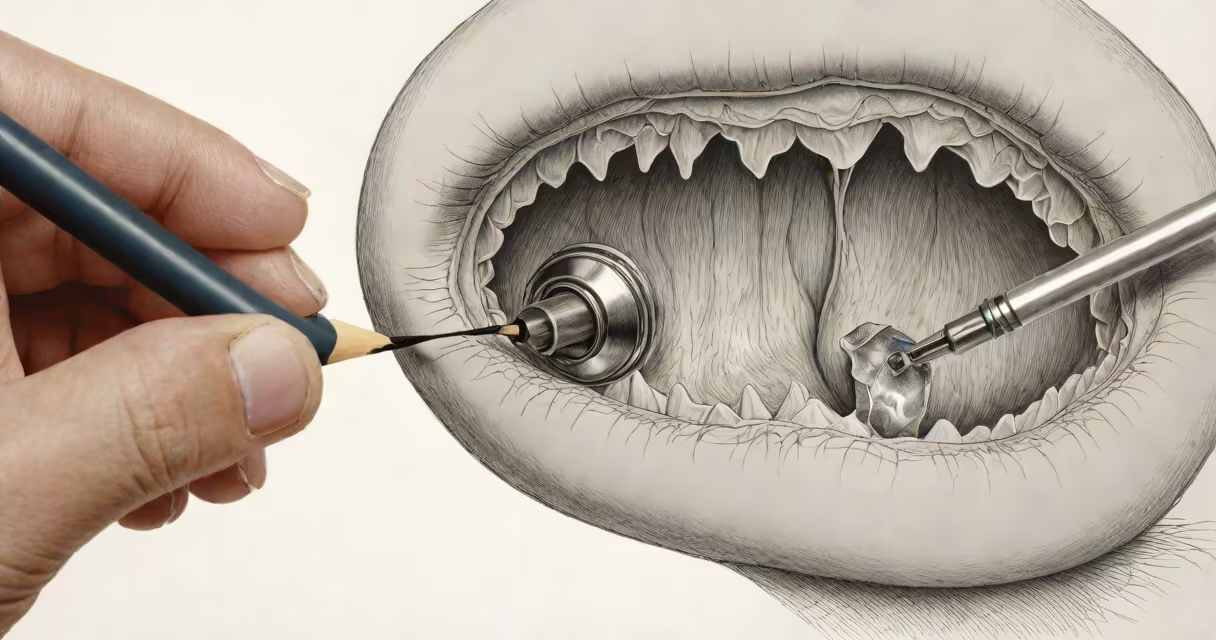
A friable cervix occurs when the surface of the cervix becomes abnormally sensitive and bleeds easily with minimal contact, such as during a pelvic exam or sexual intercourse. This condition often indicates underlying inflammation, infection, or structural changes in the cervical tissue.
Friability is not a diagnosis itself but a physical sign pointing to potential issues. The term "friable" describes tissue that crumbles or breaks apart under slight pressure-like dry soil or brittle paper. In the cervix, this fragility leads to spotting or light bleeding after minimal stimulation.
According to the American College of Obstetricians and Gynecologists (ACOG), cervical friability affects approximately 1 in 10 women undergoing routine gynecological exams and is most common in individuals with active genital infections or recent hormonal shifts.
The cervix is lined with columnar epithelium, a delicate tissue that normally protects the uterus from pathogens. When inflamed or damaged, this lining becomes thin and vulnerable. Any touch-such as a speculum or finger during a pelvic exam-can cause micro-tears and bleeding.
Common triggers include bacterial vaginosis, chlamydia, gonorrhea, and human papillomavirus (HPV). These infections increase blood flow to the area and weaken the epithelial barrier. The immune response further irritates the tissue, making it more prone to damage.
For example, a 2022 study published in the Journal of Women's Health found that 68% of women diagnosed with chlamydia reported cervical friability during their initial visit. The researchers noted that untreated chlamydia led to persistent inflammation and increased risk of cervical ectropion, a condition where glandular cells extend onto the outer cervix, which is inherently more fragile.
Several distinct conditions can lead to a friable cervix. Not all are infectious-some stem from hormonal fluctuations or benign growths.
| Condition | Key Mechanism | Prevalence |
|---|---|---|
| Infections (chlamydia, gonorrhea) | Direct mucosal damage and inflammatory response | ~10% of sexually active women aged 15-24 |
| Cervical polyps | Blood-rich tissue protruding into the cervical canal | 1-5% of reproductive-age women |
| Ectropion (cervical eversion) | Exposure of fragile columnar epithelium to external environment | Common in adolescents and pregnant individuals |
| Hormonal changes (oral contraceptives, pregnancy) | Increased vascularity and tissue softening | Up to 30% of women using combined hormonal birth control |
Among these, cervical polyps are often overlooked. They are small, benign growths that develop from the endocervical glands. Though rare, they can bleed with minimal contact due to their rich vascular supply. A 2021 review in Obstetrics & Gynecology reported that 72% of symptomatic polyps were associated with abnormal vaginal bleeding, including during exams.
Another frequently missed cause is cervical ectropion. During puberty, pregnancy, or while using hormonal contraceptives, the transformation zone-the area where columnar and squamous epithelia meet-can shift outward. This exposed tissue is highly sensitive and prone to friability. It's not dangerous, but it can mimic infection symptoms.
Many patients mistake a friable cervix for early-stage cervical cancer. While both can involve abnormal bleeding, cervical cancer typically presents with heavier, persistent bleeding-not just after touch. ACOG emphasizes that friability alone does not indicate malignancy.
Some also assume that any spotting after sex means a serious problem. But in reality, mild bleeding after intercourse is common and often linked to temporary irritation, especially in postmenopausal women or those with low estrogen levels. However, if bleeding persists beyond one episode, evaluation is needed.
A friable cervix is not synonymous with cervical dysplasia. Dysplasia involves abnormal cell changes detected via Pap smear, whereas friability refers to physical texture and bleeding tendency. One can exist without the other.
Any unexplained cervical bleeding-especially after sex, between periods, or following a pelvic exam-should prompt a visit to a healthcare provider. The American Society for Colposcopy and Cervical Pathology (ASCCP) recommends evaluating all cases of abnormal vaginal bleeding with a Pap test, HPV testing, and pelvic exam.
I once observed a patient who reported spotting after her annual exam. Her cervix was visibly friable, and she had no history of trauma. Further testing revealed a small cervical polyp, which was removed during a follow-up office procedure. Bleeding resolved within two weeks. This case illustrates how a seemingly minor finding can have a clear, treatable cause.
Diagnosis begins with a visual exam and speculum inspection. If the cervix appears red, swollen, or bleeds with gentle touch, friability is confirmed. A Pap smear and HPV test are standard next steps. For persistent or unexplained cases, colposcopy-a magnified view of the cervix-may be performed.
Treatment depends on the root cause. Chlamydia or gonorrhea require antibiotics. Polyps are usually removed in-office. Hormonal imbalances may be managed with estrogen therapy or contraceptive adjustments. In rare cases, biopsy is needed to rule out precancerous changes.
Most cases resolve quickly with targeted treatment. Delaying care increases the risk of complications like pelvic inflammatory disease (PID), which can affect fertility.
Understanding what causes a friable cervix helps avoid unnecessary anxiety. It's a sign, not a diagnosis-and often fixable. Early intervention prevents progression and maintains reproductive health.