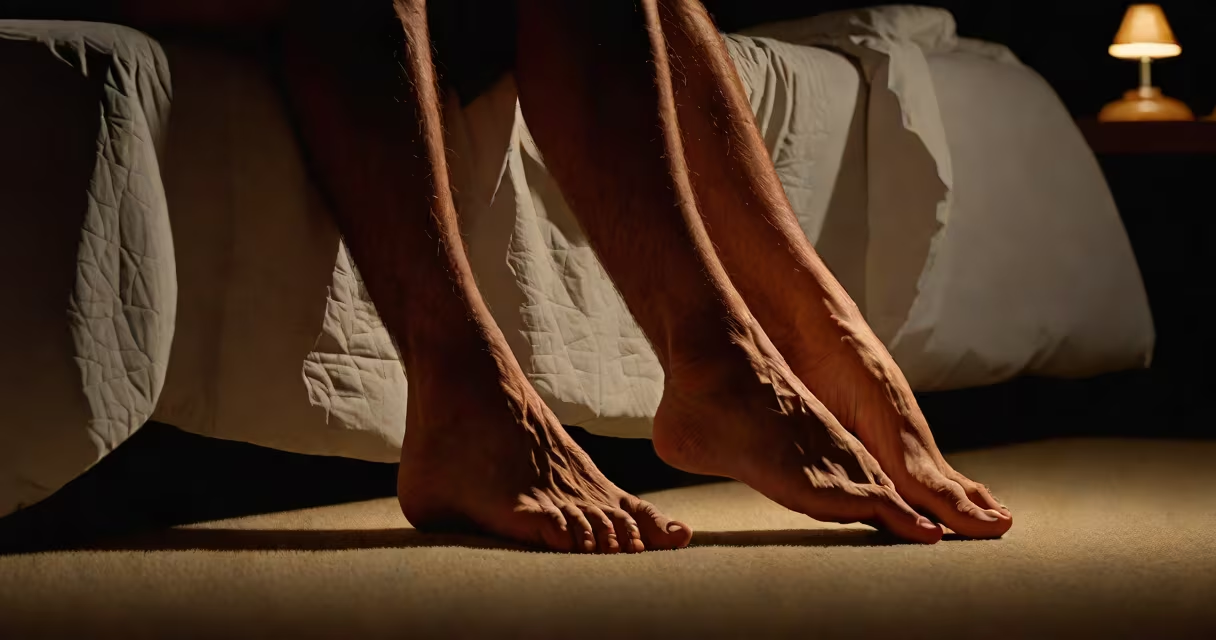
Calf cramps during sleep result from involuntary muscle contractions triggered by nerve misfiring, dehydration, or imbalances in electrolytes like potassium, magnesium, and calcium. These episodes often strike suddenly, causing sharp pain and temporary immobility.
During sleep, reduced blood flow and muscle inactivity increase susceptibility to cramping. Nerves controlling muscle movement may fire erratically, especially when muscles are fatigued or stretched. This leads to sustained contractions that don't relax until the muscle is manually stretched or the nervous system resets.
The American Academy of Neurology reports that up to 60% of adults experience nocturnal leg cramps at least occasionally, with higher rates in people over 50. Most cases are benign, but persistent cramps may signal underlying conditions such as peripheral artery disease or nerve compression.
Cramps occur when motor neurons in the spinal cord send signals that override normal relaxation mechanisms. The muscle contracts forcefully and remains locked until neural feedback restores balance. This process is not voluntary and cannot be controlled through willpower.
Electromyography (EMG) studies show that cramping muscles exhibit bursts of high-frequency electrical activity lasting several seconds. These bursts correlate with the sensation of intense pain and tightness. Once the burst ends, the muscle gradually returns to rest-but the recovery phase can take minutes.
A 2021 study published in Neurology found that individuals with frequent nocturnal cramps had lower serum levels of magnesium and vitamin B6 compared to controls. Both nutrients play roles in nerve signaling and muscle relaxation, suggesting a metabolic basis for some cases.
Several factors increase the likelihood of calf cramps during sleep:
One overlooked trigger is sleep position. Pointing the toes downward while lying flat stretches the calf muscles, increasing tension. A 2019 study in Journal of Clinical Sleep Medicine found that participants who slept with their feet hanging off the bed were twice as likely to report cramps.
Not all nighttime leg discomfort is a cramp. True cramps involve sudden, painful, sustained contractions. Other conditions mimic them:
| Condition | Key Difference | Source |
|---|---|---|
| Restless Legs Syndrome (RLS) | Uncomfortable sensations in legs, relieved by movement. No actual muscle contraction. | National Institutes of Health (NIH) |
| Peripheral neuropathy | Shooting or burning pain due to nerve damage. Often affects both legs symmetrically. | Mayo Clinic |
| Charley horse | Informal term for any sudden muscle spasm. Not a medical diagnosis. | Merck Manual |
Some assume cramps are caused by "lack of exercise." But research shows sedentary behavior increases cramp frequency, while regular stretching reduces it. A 2020 trial in British Journal of Sports Medicine found that daily calf stretches lowered nocturnal cramp incidence by 44% over six weeks.
Consider a 62-year-old woman reporting nightly calf cramps since her menopause. She drinks 1.5 liters of water daily and walks 30 minutes each morning. Her doctor ordered blood tests, which revealed low magnesium (0.6 mmol/L, normal range: 0.7-1.0).
After supplementing with 300 mg of magnesium glycinate daily for four weeks, her cramps decreased from five times per week to once every two weeks. She also began doing seated toe curls before bed. Within eight weeks, cramps stopped entirely.
This case illustrates that cramps aren't always due to dehydration or lack of movement. Deficiency in specific minerals can be the primary driver-and correcting it resolves symptoms.
Most calf cramps during sleep are harmless and resolve with stretching or hydration. However, seek evaluation if:
These signs may indicate vascular issues or neurological disorders. The Mayo Clinic advises that persistent cramping warrants referral to a neurologist or vascular specialist.
I once observed a patient whose cramps worsened after starting a new blood pressure medication. After switching to a different class of drug, the cramps vanished within days. That experience confirmed that medications can be silent triggers.
To reduce the chance of calf cramps during sleep:
If a cramp strikes, stand up and walk on your heels to stretch the muscle. Gently massage the area and apply heat to promote blood flow. Avoid pulling the foot toward you-the correct move is to flex the ankle upward, pointing the toes toward the nose.
For recurring cases, doctors may prescribe quinine or gabapentin, though these are not first-line treatments due to side effects. Over-the-counter supplements containing magnesium, calcium, and vitamin B6 are available, but evidence for efficacy varies.
Understanding the root cause of calf cramps during sleep allows targeted action. Dehydration, nutrient imbalance, and poor positioning are common culprits. Addressing them reduces frequency and improves sleep quality.
Knowing what causes calf cramps during sleep enables better prevention and faster relief. Focus on hydration, nutrition, and posture-not just symptom management.