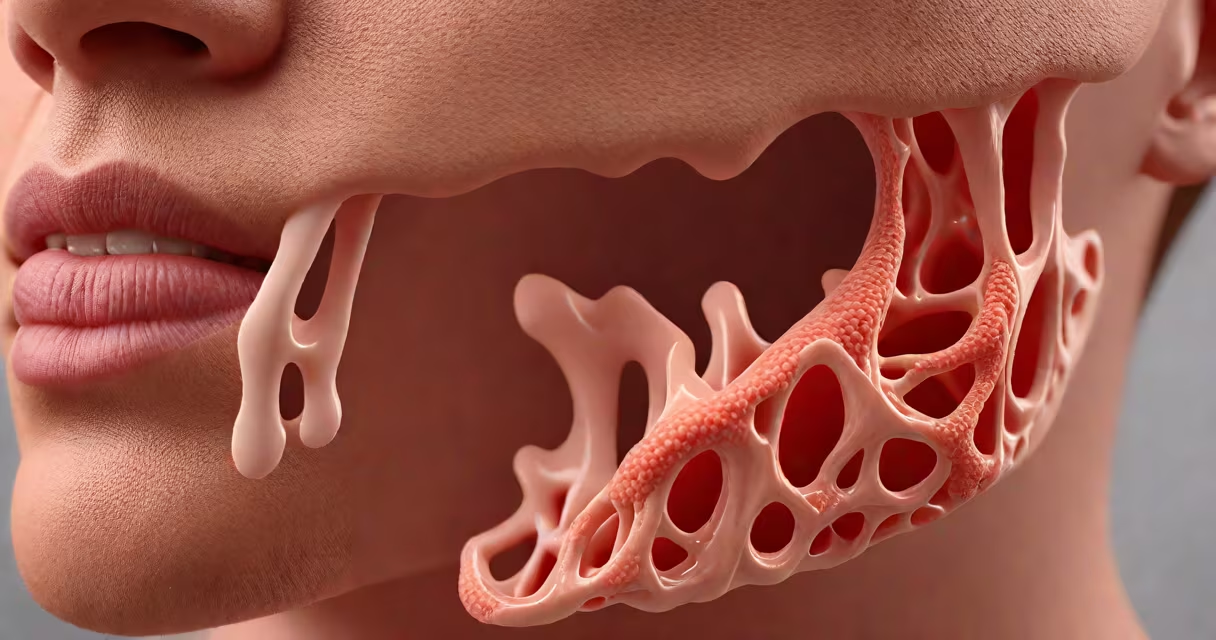
Swelling of the submandibular glands occurs when these paired salivary glands beneath the jaw become inflamed, blocked, or infected. This condition often presents as a painful lump under the chin, especially during meals.
The submandibular glands produce about 60% of resting saliva and are located beneath the jawbone, with ducts opening into the mouth floor. When function is disrupted, fluid builds up, leading to visible or palpable swelling. Common triggers include bacterial or viral infections, salivary stones, dehydration, and autoimmune conditions.
According to the American Academy of Otolaryngology-Head and Neck Surgery (AAO-HNS), acute sialadenitis-most often caused by Staphylococcus aureus-is the most frequent infectious cause of submandibular swelling. Chronic swelling may stem from obstructive sialolithiasis (salivary stones), which affects approximately 1 in 1,000 people annually, primarily men aged 30-60.
Saliva production normally flows through ducts into the mouth. When flow is impeded, pressure increases within the gland, causing distension and pain. Obstruction can result from a small calcified stone (sialolith) blocking the duct, or from swelling due to infection.
Dehydration reduces saliva volume, increasing the risk of stagnation and bacterial growth. A 2021 study in *The Laryngoscope* found that patients with reduced fluid intake were 2.3 times more likely to develop acute sialadenitis than those who maintained adequate hydration.
When bacteria enter the gland via the duct, they trigger an immune response. White blood cells accumulate, causing redness, heat, and tenderness. Pain typically worsens during eating because saliva production increases while obstruction prevents drainage.
Submandibular gland swelling falls into three primary categories based on cause:
| Type | Primary Cause | Key Features | Prevalence |
|---|---|---|---|
| Infectious (acute) | Bacterial (e.g., S. aureus), viral (e.g., mumps) | Painful swelling, fever, pus discharge, worsens with meals | Most common in adults; mumps peaks in children 5-9 years |
| Obstructive (sialolithiasis) | Salivary stones (calcium deposits) | Intermittent swelling, sharp pain during meals, often unilateral | Accounts for ~80% of obstructive cases; stones >2mm are hard to pass |
| Chronic/inflammatory | Autoimmune (e.g., Sjögren's syndrome), radiation, medications | Recurrent episodes, dry mouth, bilateral involvement | Sjögren's affects 0.5-1% of adults; 75% of patients have salivary gland involvement |
Non-obvious fact: Salivary stones are rarely seen on standard X-rays. A CT scan detects 95% of stones, while ultrasound identifies 85%. Many cases go undiagnosed until imaging is performed.
Medications such as antihypertensives, antipsychotics, and antihistamines reduce saliva flow. The National Institutes of Health reports that over 100 drugs list xerostomia (dry mouth) as a side effect, increasing the risk of gland swelling.
Swelling under the jaw is often mistaken for a lymph node issue. However, submandibular gland swelling is typically located deeper, below the jawline, and moves with swallowing. Lymph nodes sit higher and don't shift with neck motion.
Some confuse it with dental abscesses. While both cause facial pain, dental infections originate from teeth and may show tooth decay or gum swelling. Submandibular swelling usually lacks dental signs and is more diffuse.
Another error: assuming all swelling requires antibiotics. Not true. Obstructive cases benefit from hydration, warm compresses, and sialogogues (e.g., sour candies), not antibiotics. Using antibiotics unnecessarily contributes to resistance.
A 42-year-old man presented with sudden left-sided jaw swelling and pain during lunch. He reported drinking less than 1 liter of fluid daily and taking lisinopril for hypertension. On exam, a firm, tender mass was felt under the left jaw. No fever or skin changes.
Ultrasound revealed a 4mm stone in the submandibular duct. He was advised to increase fluids, apply warm compresses, and suck on lemon drops. After 48 hours, swelling decreased. A follow-up CT confirmed stone passage.
This case illustrates that medication-induced dryness combined with low fluid intake created ideal conditions for stone formation. The resolution without antibiotics highlights the importance of correct diagnosis.
Seek evaluation if swelling persists beyond 7 days, recurs frequently, or is accompanied by fever, difficulty swallowing, or facial drooping. These may indicate complications like abscess formation or nerve involvement.
For recurrent episodes, consider testing for autoimmune disease. The American College of Rheumatology recommends testing for anti-SSA/Ro and anti-SSB antibodies in patients with bilateral gland swelling and dry eyes or mouth.
Early diagnosis prevents progression to chronic sialadenitis or permanent gland damage. Most cases resolve with conservative management, but persistent or severe cases may require sialendoscopy or surgical removal of stones.
Understanding what causes submandibular glands to swell leads to faster treatment and fewer complications. Recognizing early signs-especially pain during meals-can prevent delays in care.