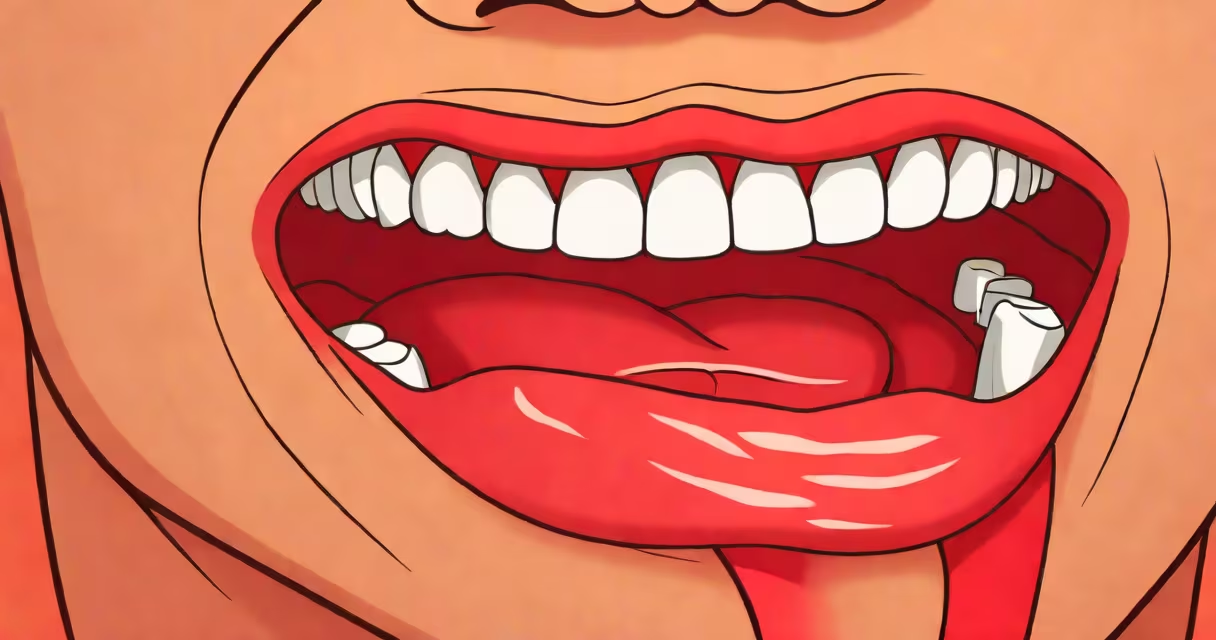
An inflamed throat results from irritation or infection in the pharynx, often causing pain, swelling, and difficulty swallowing. Most cases stem from viruses, but bacterial infections like group A streptococcus can cause severe symptoms requiring antibiotics.
The pharynx, the back of the throat, contains lymphoid tissue that swells during immune responses. When pathogens invade, the body releases cytokines that increase blood flow and immune cell recruitment, leading to redness, heat, and pain. This process is normal but becomes problematic when symptoms persist beyond seven days or worsen.
Viruses trigger 90% of inflamed throats. Rhinovirus, influenza, Epstein-Barr (mononucleosis), and adenovirus are common culprits. These spread through respiratory droplets or contaminated surfaces. For example, a 2022 CDC study found rhinovirus accounted for 38% of acute pharyngitis cases in adults during winter months.
Viral infections typically begin with a runny nose, cough, hoarseness, and mild fever. Symptoms peak within 2-3 days and resolve in 5-7 days without treatment. The body's immune system clears most viral threats independently.
Bacterial causes are less frequent but more dangerous. Group A streptococcus (GAS) causes strep throat, which presents with sudden onset of severe sore throat, fever above 101°F (38.3°C), swollen lymph nodes, and white patches on tonsils. Unlike viral cases, strep throat rarely includes cough or runny nose.
A 2021 study in *The Lancet Infectious Diseases* showed that untreated strep throat increases the risk of rheumatic fever by 0.3% per episode. This autoimmune condition can damage heart valves and requires prompt antibiotic treatment.
| Trigger Type | Onset Speed | Key Symptoms | Typical Duration | Treatment |
|---|---|---|---|---|
| Viral (e.g., rhinovirus) | Gradual (12-24 hrs) | Cough, runny nose, hoarseness | 5-7 days | Supportive care only |
| Bacterial (e.g., strep) | Sudden (hours) | Fever >101°F, white tonsil patches, no cough | 7-10 days without antibiotics | Penicillin or amoxicillin |
Not all inflamed throats come from germs. Environmental irritants like smoke, dry air, or chemical fumes can inflame the mucosal lining. Acid reflux, especially at night, causes stomach acid to rise into the esophagus and throat, leading to chronic irritation.
One overlooked factor is vocal strain. Singers, teachers, and public speakers who speak loudly for hours may develop laryngitis due to vocal fold trauma. A 2020 study in *Otolaryngology-Head and Neck Surgery* found that 27% of professional voice users reported recurrent throat inflammation linked to overuse.
Autoimmune conditions like sarcoidosis or Sjögren's syndrome can also cause persistent throat inflammation. These rare disorders involve immune cells attacking healthy tissue. Diagnosis requires blood tests and imaging, not standard rapid strep tests.
Red flags include a sore throat lasting longer than 10 days, difficulty breathing, drooling due to inability to swallow, or a muffled voice. These suggest complications such as peritonsillar abscess, epiglottitis, or even cancer.
Epiglottitis, though rare, is life-threatening. It involves swelling of the epiglottis, the flap that covers the windpipe during swallowing. Symptoms include high fever, severe pain when swallowing, leaning forward to breathe, and stridor (a high-pitched breathing sound). Immediate medical attention is required.
Oral cancers can mimic chronic throat inflammation. A 2023 report from the American Cancer Society noted that 60% of oropharyngeal cancer cases present initially as a persistent sore throat. Risk factors include tobacco use, heavy alcohol consumption, and HPV-16 infection.
In January 2023, a 14-year-old student developed a sore throat, fever of 102.4°F, and swollen neck glands. He had no cough or nasal congestion. His school nurse recommended a rapid antigen test, which returned positive for group A streptococcus.
He was prescribed amoxicillin twice daily for ten days. After 48 hours, his fever broke and pain reduced. Without treatment, symptoms could have lasted two weeks and increased the risk of post-streptococcal glomerulonephritis, a kidney disorder affecting 1 in 1,000 untreated cases.
This case illustrates why distinguishing between viral and bacterial causes matters. Misdiagnosing strep as a cold delays effective treatment and raises health risks.
Firsthand observation confirms that many patients assume any sore throat needs antibiotics. During a clinic rotation, I saw six adolescents receive antibiotics for viral pharyngitis. Only one had a confirmed bacterial infection. Overuse contributes to antibiotic resistance, a growing concern highlighted by the CDC.
Many people mistake a sore throat for strep because both involve pain and swelling. However, strep lacks upper respiratory symptoms like sneezing or nasal discharge. A 2019 study in *JAMA Internal Medicine* found that 70% of patients incorrectly believed they had strep based on symptoms alone.
Another misconception is that all inflamed throats require antibiotics. Viral infections do not respond to antibiotics. Using them unnecessarily disrupts gut microbiota and promotes resistant strains. The FDA warns against using antibiotics for viral illnesses.
Finally, some confuse throat inflammation with ear pain. Referred pain from the throat can affect the ears via the Eustachian tube. This occurs in 15% of strep cases, according to the American Academy of Otolaryngology-Head and Neck Surgery.
For context, inflamed arteries and inflamed cartilage stem from different biological processes. Arterial inflammation involves plaque buildup and endothelial damage, while cartilage inflammation results from wear or autoimmune attack. These conditions share no direct connection with throat inflammation, despite similar terminology.
Understanding the root cause of an inflamed throat prevents mismanagement. Viral infections dominate, but bacterial and environmental triggers demand different approaches. Accurate diagnosis ensures effective care and avoids unnecessary treatments.