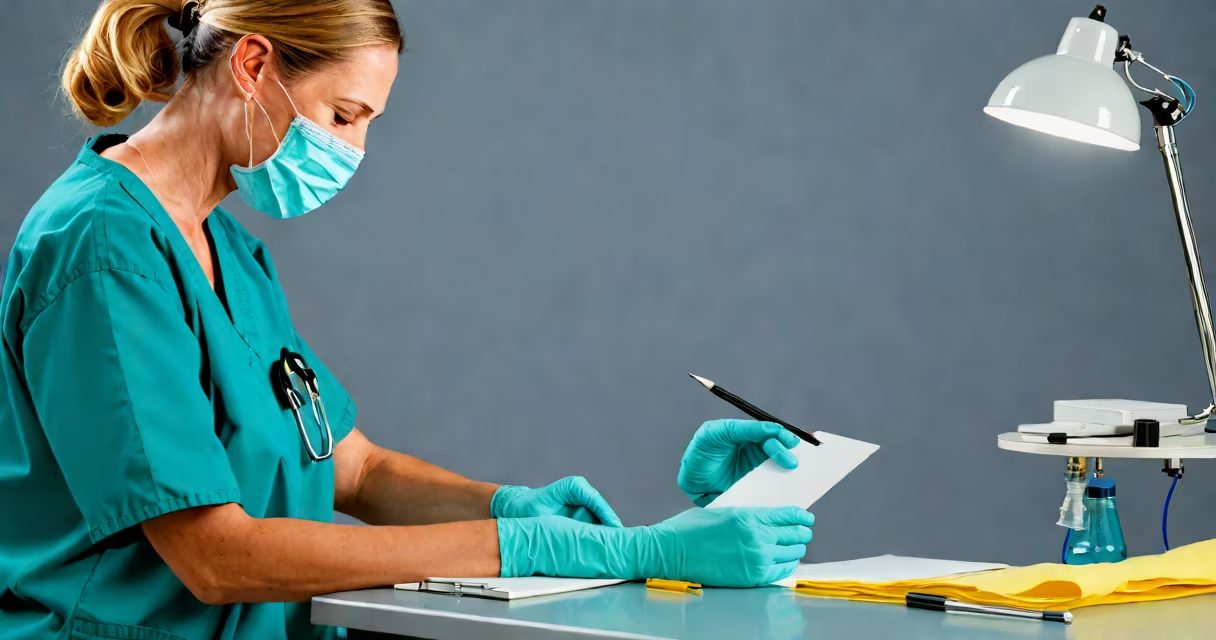
A forensic nurse examiner (FNE) is a registered nurse with advanced training in collecting physical evidence, documenting injuries, and providing trauma-informed care to individuals who have experienced violence, including sexual assault, physical abuse, or neglect. They work within healthcare systems, law enforcement partnerships, and specialized clinics to ensure victims receive both clinical and legal support.
FNEs perform detailed assessments using standardized protocols to identify and preserve biological evidence such as DNA, trace materials, and injury patterns. They document findings through photographs, diagrams, and written reports that meet legal standards. Their testimony may be required in court, making accuracy and consistency essential. The American Nurses Association (ANA) recognizes FNEs as specialists in forensic nursing practice, emphasizing their dual role in patient care and criminal justice collaboration.
These professionals typically hold a master's degree in nursing and are certified through the International Board of Certification for Sexual Assault Nurse Examiners (IBCC-SANE). Certification requires completing 40 hours of didactic education and 40 hours of clinical practice in either adult/adolescent or pediatric forensic care. The ANA states that certified FNEs demonstrate competency in evidence-based practices, ethical decision-making, and interdisciplinary communication.
When a patient presents after a violent incident, the FNE conducts a complete health assessment while simultaneously gathering forensic evidence. This includes taking a detailed history, performing a head-to-toe physical exam, and using specialized tools like luminol or UV lights to detect bodily fluids. All procedures follow strict chain-of-custody protocols to maintain evidentiary integrity.
For example, during a sexual assault evaluation, the FNE collects swabs from the genital, anal, and oral areas, as well as hair and skin samples. These are sealed in tamper-evident containers and logged into a secure database. The process takes 2-4 hours, depending on the extent of injuries and the number of samples. In one documented case from the University of California San Francisco Medical Center, an FNE identified a foreign substance on a victim's clothing that matched a suspect's known medication, leading to a successful prosecution.
After evidence collection, the FNE provides emotional support, explains the next steps, and connects the patient with counseling services. They also offer referrals for follow-up care, including STI testing and mental health resources. Unlike general nurses, FNEs are trained to avoid leading questions and to remain neutral during interviews, ensuring that statements are admissible in court.
There are two primary certification tracks for forensic nurse examiners: SANE-A (Sexual Assault Nurse Examiner - Adult/Adolescent) and SANE-P (Pediatric). Each focuses on specific populations and injury patterns.
| Certification Type | Target Population | Key Skills | Training Hours Required |
|---|---|---|---|
| SANE-A | Adults and adolescents (13+) | Genital trauma assessment, consent documentation, evidence packaging | 40 didactic, 40 clinical |
| SANE-P | Children under 13 | Developmentally appropriate communication, child abuse indicators, non-verbal cues | 40 didactic, 40 clinical |
Some FNEs also pursue additional credentials in areas like domestic violence, elder abuse, or disaster response. The National Organization of Forensic Nurses (NOFN) reports that over 6,000 nurses are currently certified in forensic nursing, with more than 80% working in hospital emergency departments or sexual assault response teams (SARTs).
Many assume that forensic nurse examiners are law enforcement officers or prosecutors. This is incorrect. FNEs are licensed nurses who operate under medical ethics and patient confidentiality laws. They do not investigate crimes or make arrests. Instead, they serve as expert witnesses whose findings support investigations conducted by police and prosecutors.
A common error is equating FNEs with "rape kit" technicians. While they do administer rape kits, the term "technician" implies a technical role focused solely on sample processing. FNEs are clinicians who assess patients holistically-physically, emotionally, and legally. Their work goes beyond specimen collection to include risk assessment, informed consent, and long-term follow-up planning.
Another misunderstanding is that FNEs only work in urban hospitals. In reality, rural clinics increasingly rely on FNEs due to shortages of forensic physicians. A 2022 study published in the Journal of Forensic Nursing found that 38% of SANE programs in the U.S. are located in rural or underserved areas, often serving populations with limited access to specialized care.
I once observed an FNE conduct a sexual assault evaluation at a Level I trauma center. The patient was a 19-year-old woman who had been assaulted during a party. The FNE began by explaining her role and confirming consent. She used a speculum to collect vaginal swabs, then applied a UV light to detect seminal fluid on the patient's underwear. After photographing visible injuries, she documented everything in a structured report that included timestamps and witness statements.
She then spent 30 minutes discussing options with the patient-whether to report to police, seek a restraining order, or undergo follow-up testing. Her calm demeanor and precise language helped the patient feel safe and informed. Later, the evidence led to a conviction based on DNA match and timeline consistency. The FNE testified in court, and her report was accepted without challenge.
This case illustrates that FNEs don't just gather evidence-they help restore agency to survivors. Their work bridges medicine and justice, ensuring that trauma is treated with dignity and that legal processes are supported by accurate data.