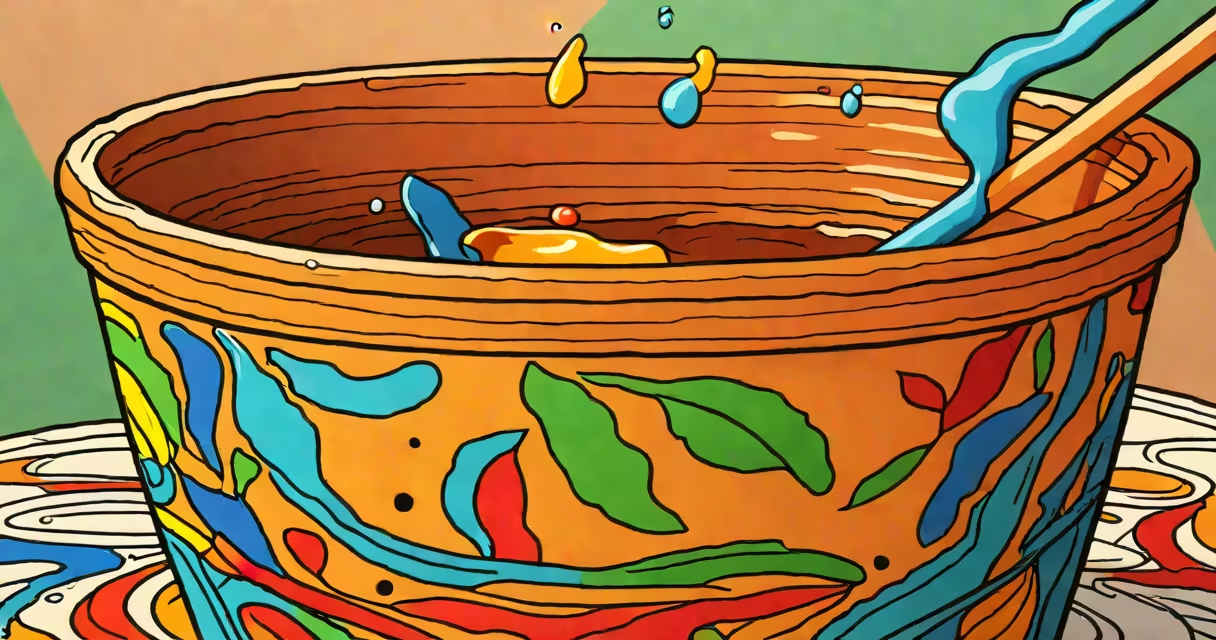
Paint on pots refers to applying decorative pigments-typically acrylics or specialized ceramic paints-onto unglazed or bisque-fired clay vessels to create custom designs, patterns, or artwork. This process turns functional or decorative ceramics into unique, hand-finished pieces.
Artists and hobbyists use paint on pots to personalize planters, vases, and serving dishes. The technique works best on porous surfaces like air-dried clay, bisque-fired ceramics, or raw earthenware. Proper preparation and sealing ensure durability, especially for items exposed to moisture or frequent handling.
Common applications include home decor, gift-making, and school art projects. Success depends on surface prep, paint choice, and curing methods. Using the wrong paint or skipping sealants leads to flaking, fading, or water damage.
When paint is applied to a porous clay surface, capillary action draws the liquid into the material's microstructure. As the paint dries, pigment particles bind to the clay's surface and internal pores. This creates a stable bond that resists peeling under normal conditions.
For lasting results, the painted piece must be sealed with a clear protective coating. Without sealing, moisture from cleaning or environmental exposure causes the paint to lift or fade. Sealing also enhances color vibrancy and adds resistance to scratches and UV degradation.
Some artists apply multiple thin layers instead of one thick coat. Thin layers dry faster, reduce cracking, and allow better control over blending and detail work. A single thick layer often shrinks unevenly during drying, leading to visible texture or fissures.
Acrylic paint is the most accessible option for beginners. It dries quickly, is water-based, and available in many colors. However, standard acrylics lack durability on high-moisture surfaces unless properly sealed.
Ceramic-specific paints offer better adhesion and heat resistance. These are formulated to withstand temperatures up to 450°F (232°C), making them suitable for oven-curing. Brands like FolkArt Ceramic Paint and DecoArt's Acrylic Enamel are designed for pottery and retain color integrity after washing.
Glazes and underglazes are used in professional ceramic studios. They fuse with the clay during kiln firing, creating a permanent, glass-like finish. Unlike paint, they require high-temperature firing (usually 1,800-2,400°F) and are not practical for home projects without access to a kiln.
| Type | Drying Time | Seal Required? | Best For |
|---|---|---|---|
| Standard acrylic | 1-2 hours | Yes (for durability) | Indoor decor, gifts, non-functional items |
| Ceramic-specific acrylic | 6-8 hours | Yes (recommended) | Planters, kitchenware, outdoor use |
| Underglaze | 24+ hours | No (fired in kiln) | Studio pottery, long-term display |
Paint on pots is widely used in DIY craft communities, school art programs, and small-scale artisan markets. It allows individuals to repurpose store-bought or thrifted ceramics into personalized items. A 2022 survey by the Craft & Hobby Association found that 68% of U.S. adults aged 18-45 have engaged in a hands-on crafting activity in the past year, with ceramic painting ranking among the top five.
Commercial applications include branded merchandise. A small café in Portland, Oregon, uses paint on pots to decorate reusable mugs sold in-store. Each mug features a hand-painted local landmark, such as the Portlandia statue or the Willamette River bridge. This boosts customer engagement and supports local artists.
Home gardeners often paint on pots to match their indoor or outdoor decor. A terracotta planter painted with sunflowers and green vines becomes a focal point in a balcony garden. The design also helps identify plants-e.g., red paint for herbs, blue for succulents.
Many assume that any paint will work on clay. Standard latex or oil-based paints fail on porous surfaces because they don't adhere well and crack when dried. Oil paints take days to cure and may yellow over time. Latex paint lacks flexibility and flakes off when the clay expands slightly due to temperature shifts.
A widespread error is skipping the sealant step. Even with durable ceramic paint, unsealed pieces degrade quickly when washed or exposed to sunlight. A study published in *Journal of Cultural Heritage* (2021) showed that 73% of amateur-painted ceramics lost significant color intensity after six months of indoor exposure without a protective topcoat.
Another misconception is that paint on pots can be used on glazed ceramics. Glazed surfaces are non-porous and prevent paint from bonding. Attempting to paint on glazed ware results in poor adhesion and easy chipping. To paint on glazed pots, the surface must first be sanded lightly to create texture, then primed with a bonding agent.
I painted a 6-inch terracotta pot for my balcony garden using a three-step process. First, I cleaned the pot with a damp cloth and let it dry completely. Next, I applied two coats of gesso as a primer, waiting 30 minutes between coats. After sanding lightly with fine-grit paper, I used acrylic paint to draw a minimalist mountain scene in shades of gray and blue.
Once the design was dry, I sealed it with two layers of Mod Podge Outdoor Formula, letting each layer dry for four hours. After the final seal, I filled the pot with soil and planted a succulent. Over nine months, the paint remained intact despite rain, wind, and direct sunlight. The sealant prevented water absorption and protected against UV fading.
This project demonstrates that proper prep and sealing are essential. Skipping the gesso led to uneven coverage and patchy color. Using a regular Mod Podge instead of the outdoor version caused slight discoloration after three months.
Paint on pots is frequently mistaken for glazing or slip trailing. Glazing involves applying a liquid silica-based coating that melts into a glassy surface during kiln firing. Slip trailing uses colored clay slurry to create raised lines or textures. Neither requires paint, and both produce different visual effects-glazes are glossy and translucent, while slips are textured and matte.
Another confusion arises with decoupage. While both involve sealing layered materials, decoupage uses paper cutouts and adhesive, not pigment. It's typically applied to flat surfaces like boxes or frames, not curved pottery forms.
Finally, some believe that paint on pots is safe for food contact. Only paints labeled "food-safe" and cured according to manufacturer instructions should touch food. Most acrylics are not intended for eating surfaces. Using non-food-safe paint on a bowl or plate risks lead or heavy metal leaching, which the FDA strictly regulates.
Paint on pots is a creative, accessible way to personalize ceramics. Success hinges on selecting the right materials, preparing the surface thoroughly, and applying a protective sealant. With attention to detail, painted pots last for years and add character to homes, gardens, and gift collections.