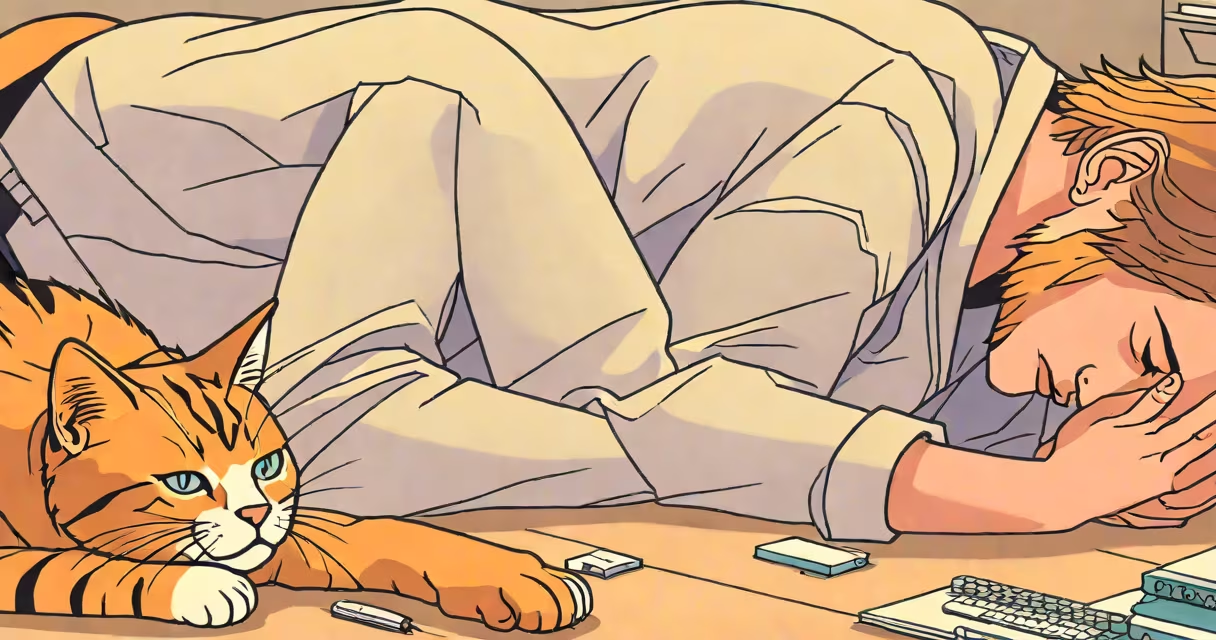
Cat scratch fever, medically known as cat scratch disease (CSD), is a bacterial infection caused by *Bartonella henselae*. It typically begins with a small bump or blister at the site of a cat scratch or bite, followed by flu-like symptoms including fever, fatigue, and swollen lymph nodes. The illness usually resolves on its own within a few weeks, but symptoms can mimic other conditions.
The initial sensation often starts subtly-a mild itch or redness where a cat scratched or bit. Within days, the area may develop a small pimple or scab. This localized reaction is not always noticed, especially if the scratch was light. What follows is systemic: a low-grade fever (often between 100°F and 102°F), chills, and persistent fatigue. These symptoms resemble a mild viral infection but can last longer than typical colds.
Swollen lymph nodes are the most telling sign. They typically appear near the site of the scratch-under the arm if the scratch was on the hand-or in the neck if the face was involved. Nodes can grow to the size of a marble or larger, feel tender, and sometimes drain fluid. Swelling may persist for several weeks, even after other symptoms fade.
The bacterium *Bartonella henselae* enters the skin through a scratch or bite. Once inside, it travels via the lymphatic system to nearby lymph nodes. There, it multiplies and triggers an immune response, causing inflammation and swelling. The body's defense mechanisms release cytokines, which cause fever and fatigue-common responses to infection.
Not everyone who gets scratched by a cat develops symptoms. Most people have mild or no reaction. However, those with weakened immune systems-such as young children, older adults, or individuals with HIV/AIDS-are at higher risk for severe complications. In rare cases, the infection can spread beyond the lymph nodes, leading to neurologic issues like confusion, seizures, or vision changes.
A 2021 study published in *Clinical Infectious Diseases* found that approximately 15% of reported CSD cases involved neurological manifestations, though these were mostly seen in immunocompromised patients. The CDC confirms that while most cases resolve without treatment, antibiotics may be prescribed if symptoms worsen or don't improve.
Many people assume cat scratch fever is a serious condition requiring hospitalization. In reality, it's rarely life-threatening. The illness is often mistaken for mononucleosis, strep throat, or even early-stage Lyme disease due to overlapping symptoms like fatigue and swollen glands.
Another common error is blaming the cat's behavior. Some owners believe their pet is "sick" because they're scratching more. But cats carry *Bartonella* asymptomatically-meaning they show no signs of illness themselves. A healthy-looking cat can still transmit the bacteria through a scratch.
There's also confusion around transmission. You don't need to be bitten-just scratched. Even a light scrape from a claw can introduce the bacteria. And contrary to myth, you don't need to be licked by a cat. Transmission occurs solely through direct contact with infected claws or saliva on broken skin.
In a documented case from 2019, a 7-year-old boy developed a 101°F fever and a swollen lymph node under his left arm after being scratched by his family's kitten during play. The scratch was barely visible. Over the next week, he felt weak, slept more than usual, and refused school. His pediatrician initially suspected strep throat but ruled it out with a negative rapid test. A blood test later confirmed elevated antibodies to *Bartonella henselae*.
Another patient, a 32-year-old woman, reported feeling "like I've been hit by a truck" after her cat accidentally swiped her cheek. She developed a fever of 102.6°F, chills, and extreme exhaustion. Her lymph nodes behind the ears swelled noticeably. She didn't seek care until the swelling persisted for four weeks. Doctors diagnosed CSD based on symptom history and serology testing.
These cases show a key pattern: symptoms often appear 3 to 10 days after exposure. The incubation period varies, making it hard to connect the illness to a specific event unless the scratch is remembered.
Most cases resolve without medical intervention. However, if fever lasts more than 10 days, lymph nodes continue to enlarge, or pain becomes severe, consult a healthcare provider. Antibiotics such as azithromycin or doxycycline may be prescribed for persistent or complicated cases.
If you experience confusion, vision changes, or seizures, seek emergency care. These are rare but serious signs of disseminated infection.
| Condition | Key Difference from Cat Scratch Fever |
|---|---|
| Mononucleosis (mono) | Caused by Epstein-Barr virus; presents with sore throat, extreme fatigue, and abnormal blood cells. Lymph nodes swell but are not linked to a scratch. |
| Strep throat | Caused by *Streptococcus pyogenes*; features sudden sore throat, fever, and white patches on tonsils. No scratch history required. |
| Lyme disease | Transmitted by ticks; often includes a bullseye rash, joint pain, and neurological symptoms. No cat exposure needed. |
One non-obvious fact: *Bartonella henselae* can survive in the environment for up to 48 hours on surfaces. While transmission through fomites is extremely rare, it underscores the importance of cleaning cat claws and washing hands after handling cats-especially if you have open wounds.
I once had a client who developed swollen lymph nodes after being scratched by a stray cat during a rescue mission. He didn't notice the scratch until days later when the swelling became painful. He assumed it was a spider bite. Only after a blood test did we confirm CSD. The experience taught me that even minor cat interactions can lead to measurable illness.
Understanding what cat scratch fever feels like helps distinguish it from other illnesses. It's not a dramatic illness but a subtle one-starting with a scratch, progressing to flu-like symptoms, and resolving slowly. Awareness reduces unnecessary panic and ensures proper care when needed.
While most people recover fully, recognizing the signs early prevents misdiagnosis and unnecessary treatments. If you've been scratched by a cat and develop fever, fatigue, or swollen lymph nodes, consider cat scratch fever as a possibility. Early recognition leads to better outcomes.