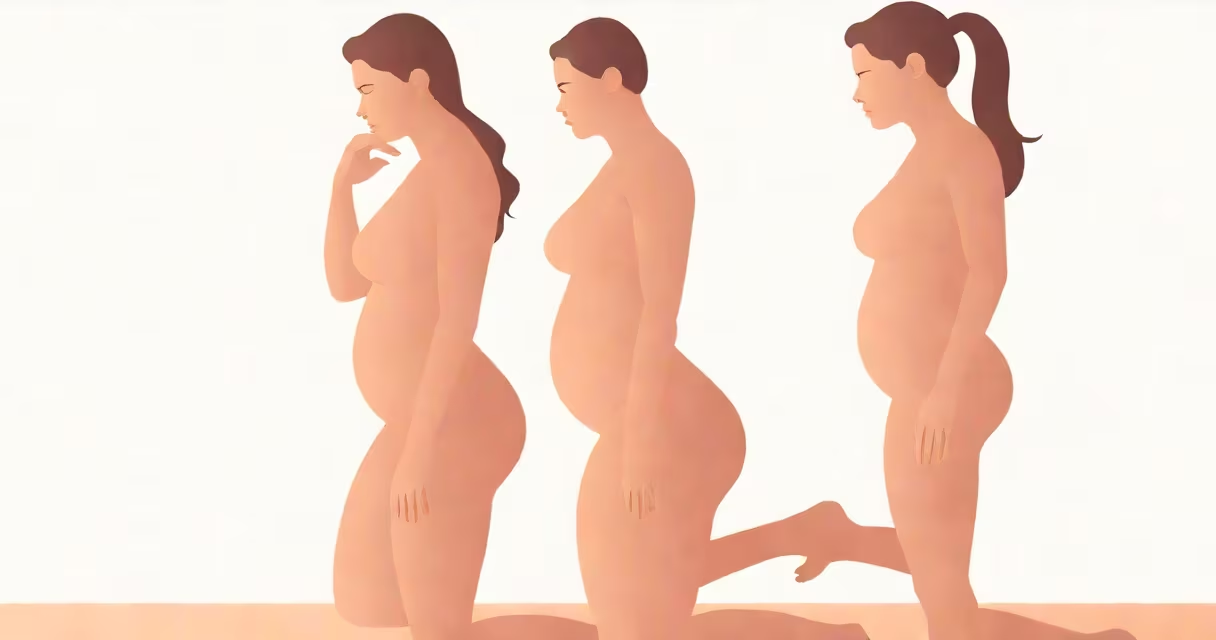
Weight gain in women results from a mix of hormonal fluctuations, metabolic shifts, dietary habits, physical activity levels, and medical conditions. These factors interact uniquely across life stages, making individual responses complex.
Estrogen and progesterone regulate fat distribution and appetite. Fluctuations during puberty, pregnancy, perimenopause, and menopause alter metabolism and increase visceral fat storage. For example, declining estrogen in perimenopause reduces insulin sensitivity, promoting fat accumulation around the abdomen.
Polycystic ovary syndrome (PCOS) affects 6-10% of reproductive-age women and is linked to insulin resistance. This condition increases androgen levels, which disrupts glucose regulation and promotes weight gain, especially in the upper body. A 2021 study in Endocrine Reviews confirmed that insulin resistance occurs in 70% of PCOS patients, directly contributing to adiposity.
Thyroid disorders also play a role. Hypothyroidism slows basal metabolic rate by up to 30%, reducing calorie burn. Untreated, it can lead to 5-10 kg (11-22 lbs) of weight gain over time. Blood tests measuring TSH and free T4 are essential for diagnosis.
Diet quality and eating patterns influence weight. High intake of ultra-processed foods-those with added sugars, refined grains, and industrial seed oils-leads to increased caloric consumption and disrupted satiety signals. A 2020 study in Cell Metabolism showed participants consuming ultra-processed diets gained 2.5 kg (5.5 lbs) more over 10 weeks compared to those on whole-food diets, despite equal calorie intake.
Sleep duration matters. Women sleeping less than 6 hours per night have higher cortisol levels, which stimulate cravings for high-fat, high-sugar foods. Research from the Journal of Clinical Endocrinology & Metabolism found that each hour of sleep loss correlates with a 15% rise in ghrelin, the hunger hormone.
Physical inactivity compounds these effects. Sedentary behavior reduces energy expenditure and impairs glucose uptake in muscles. A 2022 analysis in Obesity reported that women who sit for more than 8 hours daily have a 27% greater risk of central obesity than those who move frequently.
Several medications contribute to weight gain in women. Antidepressants like sertraline and mirtazapine affect serotonin pathways, increasing appetite and reducing energy expenditure. A 2019 review in Pharmacotherapy noted average weight gains of 2.5-5 kg (5.5-11 lbs) over 6 months with certain SSRIs.
Glucocorticoids such as prednisone suppress cortisol feedback loops, leading to fluid retention and fat redistribution. Long-term use causes Cushing's-like symptoms, including moon face and buffalo hump. Even short courses can trigger temporary weight gain.
Weight gain is not solely due to overeating. While excess calories matter, hormonal and metabolic factors determine how efficiently the body uses them. Two women eating identical meals may gain different amounts of fat based on insulin response and gut microbiome composition.
Metabolic adaptation-commonly called "starvation mode"-is overstated. After prolonged calorie restriction, resting metabolic rate drops slightly, but not enough to halt weight loss entirely. A 2021 study in Obesity found that adaptive thermogenesis accounts for only ~5% of total energy deficit, not the 20-30% sometimes claimed.
| Factor | Typical Weight Change Range | Timeframe | Source |
|---|---|---|---|
| Perimenopause (estrogen drop) | 3-7 kg (6.6-15.4 lbs) | 2-5 years | NAMS 2023 Clinical Guidelines |
| PCOS-related insulin resistance | 4-10 kg (8.8-22 lbs) | Chronic, progressive | PCOS Foundation, 2022 |
| Antidepressant use (e.g., mirtazapine) | 2.5-5 kg (5.5-11 lbs) | 6-12 months | Pharmacotherapy, 2019 |
| Chronic sleep deprivation (<6 hrs/night) | 1-3 kg (2.2-6.6 lbs) | 6-12 months | JCEM, 2020 |
Sarah, 44, noticed a 6 kg (13.2 lbs) weight gain over 18 months. She had no change in diet or exercise. Blood work revealed elevated TSH and low free T4-diagnosed as hypothyroidism. After starting levothyroxine, her weight stabilized within 6 months. Her case illustrates that internal physiology, not behavior, was the root cause.
Understanding what can cause weight gain in women requires looking beyond calories in versus calories out. Hormonal shifts, chronic stress, medication side effects, and sleep disruption all alter energy balance. Addressing these root causes leads to sustainable outcomes, not just temporary fixes.