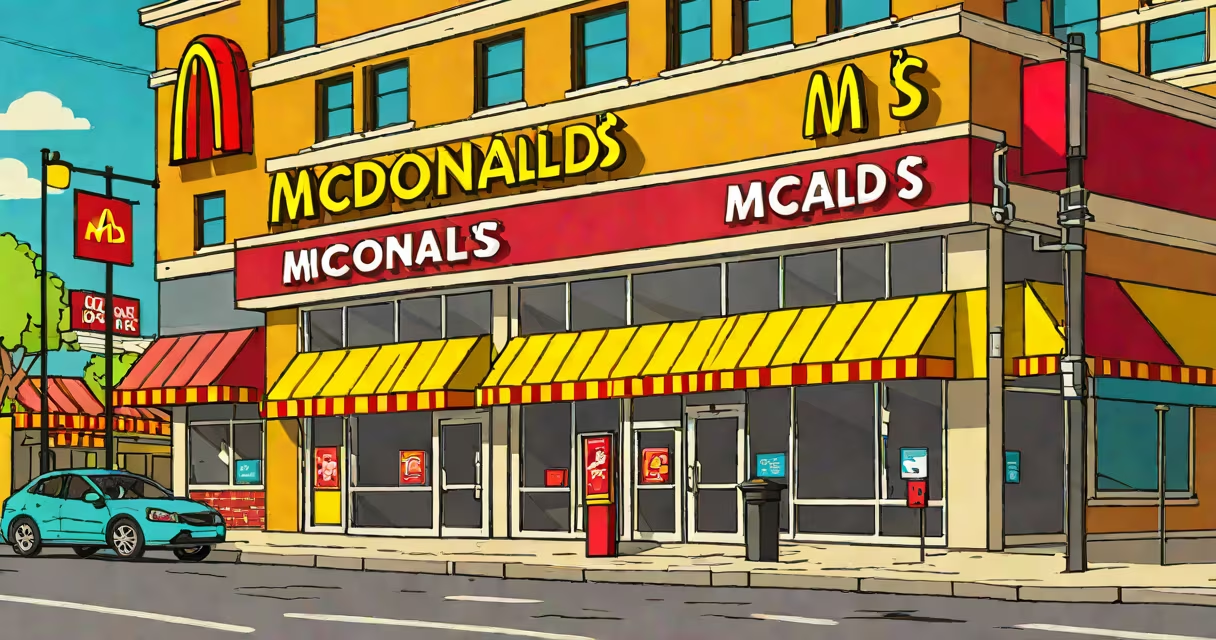
A franchise in business is a formal arrangement where a company (the franchisor) grants an individual or group (the franchisee) the right to operate under its brand, using its business model, trademarks, and operational systems in exchange for fees and ongoing royalties.
The concept originated in the late 19th century but gained widespread traction in the U.S. during the 20th century. Today, franchises represent a major portion of retail and service sectors. According to the International Franchise Association (IFA), over 760,000 franchise establishments exist in the United States alone, employing more than 8 million people.
Franchising allows rapid market expansion with lower capital risk for the parent company. The franchisee invests in the business, covers local operating costs, and earns profits while adhering to strict brand standards. This model balances autonomy with consistency.
When a business adopts a franchise model, it creates a standardized system. This includes branding guidelines, menu design (for food services), customer service protocols, supply chain sourcing, and training materials. The franchisor develops these systems to ensure uniformity across locations.
For example, a new McDonald's franchisee must follow precise cooking times, ingredient sourcing, and employee scheduling procedures. These are documented in a franchise operations manual, which is updated regularly. Failure to comply can result in penalties or termination of the franchise agreement.
Franchisees pay an initial fee-often $25,000 to $50,000-to secure the rights to open a location. They also pay ongoing royalty fees, typically 4% to 6% of gross sales, and contribute to national advertising funds. These payments fund brand development and marketing campaigns.
A franchise agreement is a legally binding contract between the franchisor and franchisee. It defines roles, responsibilities, financial obligations, duration, renewal terms, and exit conditions. The Federal Trade Commission (FTC) requires franchisors to provide a Franchise Disclosure Document (FDD) at least 14 days before signing any agreement.
The FDD contains 23 items of information, including litigation history, initial investment costs, estimated earnings, and details about the franchisor's business experience. Reviewing the FDD is essential-many franchisees skip it and later face unexpected expenses or poor performance.
For instance, a franchisee who signs a coffee shop franchise agreement may discover through the FDD that average annual revenue for similar stores is $220,000, but startup costs exceed $300,000. Without this data, they might underestimate the financial risk involved.
| Component | Description | Typical Range |
|---|---|---|
| Initial Fee | Upfront payment to begin operations | $10,000 - $75,000 |
| Monthly Royalty | Percentage of sales paid to franchisor | 4% - 6% |
| Advertising Fund Contribution | Additional fee for national campaigns | 1% - 3% |
| Term Duration | Length of franchise rights | 5 - 20 years |
Franchises fall into several categories based on industry and operational structure. The most common are retail, service, and manufacturing franchises.
Retail franchises include fast-food chains like Subway and Taco Bell. Service franchises cover areas such as cleaning, fitness centers, and home repair. Manufacturing franchises involve producing goods under a brand, such as certain auto detailing or packaging businesses.
Some models are more restrictive. A "single-unit" franchise limits ownership to one location. A "multi-unit" franchise allows a franchisee to operate multiple outlets, often requiring higher capital and proven management skills. For example, a franchisee who owns five Dunkin' locations must meet stricter financial and operational benchmarks than someone running one.
Many confuse franchising with licensing, independent contracting, or joint ventures. These are distinct legal structures with different risks and rewards.
Licensing involves granting permission to use intellectual property-like a trademark or patent-but not the full business system. A software developer might license their app to a distributor without dictating how it's sold. In contrast, a franchise includes both the brand and the entire operating structure.
Independent contractors work under a client's direction but retain control over their methods. A freelance graphic designer hired by a restaurant to create signage is not a franchisee. The contractor sets their own hours, tools, and pricing. A franchisee follows the franchisor's rules, even if they run the daily operations.
Joint ventures involve shared ownership and decision-making. Two companies forming a new entity to launch a product together do not operate under a franchise model. Franchising maintains centralized control over branding and operations.
In 2021, I visited a franchise-owned hair salon in Atlanta that operated under a well-known national brand. The owner, Maria, had invested $180,000 to open her location. She received training for six weeks at the corporate headquarters, learned the brand's client intake process, and was required to use only approved products and equipment.
She reported that her first year was challenging. Revenue fell below projections due to high rent and staffing issues. However, she accessed support from the franchisor's regional manager, who helped adjust staffing schedules and introduced a loyalty program. By year two, her net profit reached 12%, above the average for small salons in the area.
This illustrates a key benefit: franchisees gain access to proven systems and ongoing support. But success still depends on execution, location, and personal effort-not just the brand name.
Franchising enables rapid scaling with reduced financial exposure for the parent company. Instead of funding every store with internal capital, franchisors grow through franchisee investments. This lowers risk and accelerates market penetration.
From the franchisee's perspective, it offers a lower barrier to entry than launching a startup from scratch. The brand's reputation, supply chain, and marketing efforts reduce uncertainty. However, the trade-off is less control. A franchisee cannot change the menu, alter the decor, or switch suppliers without approval.
According to the IFA, 80% of franchisees report being satisfied with their business ownership experience. Yet, failure rates remain significant-about 30% of new franchises close within the first five years, often due to poor location selection, inadequate capital, or lack of hands-on involvement.
Understanding what does franchise mean in business requires recognizing it as a structured partnership, not a passive income stream. Success hinges on alignment with the franchisor's model, financial preparedness, and active management.