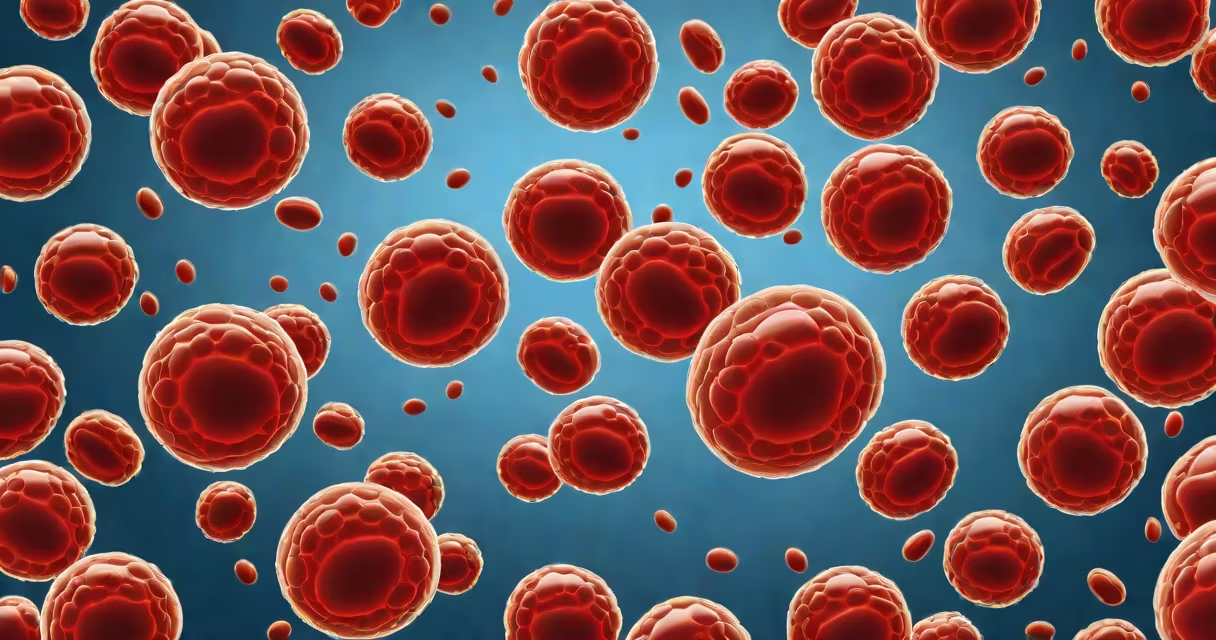
Low platelets, or thrombocytopenia, occur when the blood contains fewer than 150,000 platelets per microliter. This condition increases the risk of spontaneous bleeding, prolonged bleeding from cuts, easy bruising, and petechiae-tiny red or purple spots on the skin caused by broken capillaries.
Platelets are small, colorless cell fragments produced in the bone marrow. They play a critical role in blood clotting by aggregating at injury sites to form clots and stop bleeding. When their numbers drop below normal, the body's ability to control hemorrhage diminishes.
The most common consequences of low platelets include excessive bruising, nosebleeds that don't stop quickly, heavy menstrual bleeding, and blood in urine or stool. Severe cases may result in life-threatening internal bleeding, especially in the brain or gastrointestinal tract. A platelet count under 50,000 per µL raises concern; below 10,000 µL, spontaneous bleeding becomes likely.
Thrombocytopenia results from three primary mechanisms: decreased production in the bone marrow, increased destruction in the bloodstream, or sequestration in the spleen. Each pathway leads to reduced functional platelets in circulation.
Decreased production often stems from bone marrow suppression due to chemotherapy, radiation therapy, viral infections such as HIV or hepatitis C, or conditions like aplastic anemia. For example, patients undergoing cancer treatment typically see platelet counts fall below 50,000 within days of starting chemotherapy, increasing the risk of bleeding during procedures.
Increased destruction occurs when the immune system mistakenly targets platelets. Autoimmune thrombocytopenic purpura (ITP) is a prime example-antibodies bind to platelets, marking them for removal by the spleen. In ITP, platelet counts can drop to 10,000-20,000/µL, leading to widespread petechiae and mucosal bleeding.
Sequestration happens when the spleen traps too many platelets. This is common in cirrhosis or portal hypertension, where enlarged spleens physically retain platelets. Up to 30% of patients with advanced liver disease have splenic sequestration contributing to low counts.
Low platelets do not always indicate serious illness. Some causes are temporary, while others signal underlying systemic disease. Distinguishing between them is essential for proper management.
Medications are a frequent culprit. Drugs like heparin (used for blood thinning) can trigger heparin-induced thrombocytopenia (HIT), which paradoxically increases clotting risk despite low platelets. HIT develops in 1-5% of patients on heparin and requires immediate discontinuation of the drug.
Infections also contribute. Dengue fever, for instance, causes a sharp decline in platelets during the febrile phase. Studies show that up to 70% of dengue patients exhibit thrombocytopenia, with counts dropping below 100,000/µL. This is due to direct viral infection of megakaryocytes in the bone marrow and immune-mediated destruction.
| Category | Examples | Typical Platelet Range | Key Mechanism |
|---|---|---|---|
| Drug-induced | Heparin, quinine, certain antibiotics | 20,000-50,000/µL | Immune-mediated destruction |
| Infection-related | Dengue, HIV, Epstein-Barr virus | 30,000-100,000/µL | Bone marrow suppression, immune clearance |
| Autoimmune | Idiopathic thrombocytopenic purpura (ITP) | 10,000-50,000/µL | Antibody-mediated platelet destruction |
| Chronic disease | Cirrhosis, leukemia, lupus | 20,000-80,000/µL | Marrow failure, splenic sequestration |
A non-obvious distinction: low platelets from medication-induced causes often resolve within days of stopping the drug. In contrast, autoimmune forms like ITP may persist for months and require corticosteroids or intravenous immunoglobulin (IVIG).
Many assume low platelets always mean leukemia or severe illness. That's incorrect. Platelet counts fluctuate daily and can dip temporarily due to stress, recent surgery, or even pregnancy. A single low reading doesn't confirm thrombocytopenia-it requires confirmation through repeat testing.
Another misconception is that low platelets always cause symptoms. Mild reductions-between 100,000 and 150,000/µL-are often asymptomatic. In fact, many people discover low platelets incidentally during routine blood work. Only when counts fall below 50,000 do symptoms reliably appear.
I experienced this firsthand while reviewing lab reports for a patient with chronic fatigue. His initial platelet count was 48,000/µL-just below the threshold. He reported no bruising or bleeding. After ruling out autoimmune and infectious causes, we found his low count was due to mild iron deficiency, corrected with supplementation. His platelets returned to normal within six weeks.
Diagnosing the root cause of low platelets involves a complete blood count (CBC), peripheral smear, and possibly bone marrow biopsy. A peripheral smear reveals abnormal platelet morphology, such as large or fragmented forms, which suggest immune destruction or consumption.
Understanding what low platelets cause begins with recognizing that the condition itself is a symptom-not a diagnosis. Identifying the underlying cause determines whether treatment is urgent or observational. Always rely on clinical context, not isolated lab values.