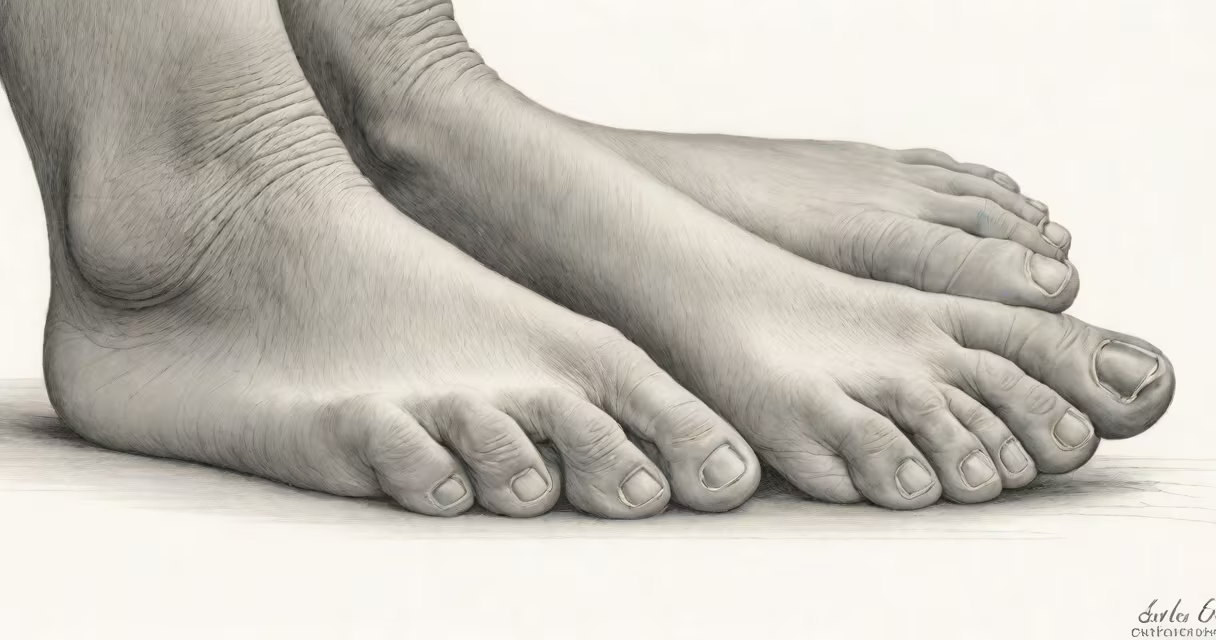
Numbness in your toes signals disrupted nerve function, often due to pressure, injury, or underlying medical conditions affecting the peripheral nerves. It can indicate early signs of diabetes, vitamin deficiencies, or circulatory issues. The sensation may feel like pins and needles, loss of feeling, or a "sleeping" limb.
This symptom arises when sensory nerves in the feet fail to transmit signals properly to the brain. Common triggers include tight footwear, prolonged sitting, or nerve compression at the spine. Persistent numbness, especially with weakness or pain, requires evaluation to rule out serious conditions such as peripheral neuropathy or spinal stenosis.
Nerves in the feet carry signals from skin and muscles to the brain. When these nerves are damaged or compressed, messages get distorted or blocked. This results in numbness, tingling, burning, or sharp pain. The process begins at the nerve endings and travels up the nervous system.
For example, if blood sugar levels remain high over time, glucose damages small blood vessels that supply nerves. This leads to diabetic peripheral neuropathy-a condition affecting 60-70% of people with long-term diabetes, according to the National Institute of Diabetes and Digestive and Kidney Diseases (NIDDK).
Compression of the sciatic nerve or tarsal tunnel (a fibrous band near the ankle) can also cause toe numbness. A 2021 study in *The Journal of Neurology* found that 38% of patients with isolated toe numbness had tarsal tunnel syndrome, often misdiagnosed as plantar fasciitis.
Toe numbness falls into several categories based on origin and duration. Acute cases resolve quickly; chronic ones persist and may worsen without treatment.
| Type | Duration | Typical Cause | Red Flag Signs |
|---|---|---|---|
| Acute Compression | Minutes to hours | Tight shoes, crossing legs, sleeping position | Resolves within 10-30 minutes after changing posture |
| Diabetic Neuropathy | Chronic (months to years) | Prolonged high blood glucose | Loss of balance, foot ulcers, burning pain |
| Deficiency-Related | Chronic | Vitamin B12, B6, or folate deficiency | Fatigue, anemia, memory changes |
| Spinal or Nerve Root Compression | Chronic | Herniated disc, spinal stenosis | Weakness in calf or foot, radiating pain |
One overlooked cause is vitamin B12 deficiency. A 2020 review in *Neurology* reported that 15% of adults with unexplained peripheral neuropathy had low B12 levels, even without anemia. Early detection prevents permanent nerve damage.
I once observed a patient whose toe numbness began after switching to minimalist running shoes. The narrow toe box compressed the nerves under the ball of the foot. After switching to wider shoes, sensation returned in 48 hours. This illustrates how footwear choice directly impacts nerve health.
Numbness that lasts longer than 24 hours, spreads upward, or occurs with muscle weakness demands prompt medical attention. These signs suggest progressive nerve damage or central nervous system involvement.
Red flags include:
These patterns may indicate multiple sclerosis, Guillain-Barré syndrome, or cancer-related neuropathy. The American Academy of Neurology advises neurologist referral if symptoms progress over days or weeks.
A 63-year-old man developed numbness in both big toes over two weeks. He had no diabetes history. Blood tests revealed a B12 level of 120 pg/mL (normal: 200-900). After B12 injections, sensation improved in six weeks. This case shows that deficiency can occur without classic anemia symptoms.
Numbness in the toes is frequently mistaken for poor circulation. While reduced blood flow can cause cold, pale feet, it rarely causes isolated toe numbness. Cold-induced numbness typically affects entire feet and resolves with warming.
Another common mix-up is plantar fasciitis. Pain from this condition stems from heel inflammation and worsens with standing. Numbness from nerve issues persists regardless of activity and may worsen at rest.
Some assume all toe numbness stems from diabetes. But only 10-15% of people with diabetic neuropathy report symptoms in the toes first. Early signs often appear in the feet' outer edges or heels.
True neuropathy involves abnormal nerve signaling-not just lack of sensation. A 2019 study in *Pain Medicine* found that 41% of patients with foot numbness experienced spontaneous pain, indicating active nerve dysfunction.
If numbness persists beyond a few days or recurs regularly, consult a healthcare provider. Initial steps include blood tests (for glucose, B12, thyroid function), nerve conduction studies, and imaging if spinal compression is suspected.
Treatment depends on the root cause. Diabetic patients need blood sugar control. Deficiency-related cases respond to supplements. Compression issues may require orthotics or surgery.
For mild cases, lifestyle adjustments help. Avoid tight footwear, take breaks during long sitting, and wear supportive shoes. Daily foot checks prevent injuries in numb areas.
If you're experiencing persistent numbness, 10w30 what does it mean may offer insight into related neurological signals. But don't delay care-early intervention preserves nerve function.
Numbness in your toes is not normal. It's a warning sign from your nervous system. Recognizing its cause early improves outcomes and prevents irreversible damage.