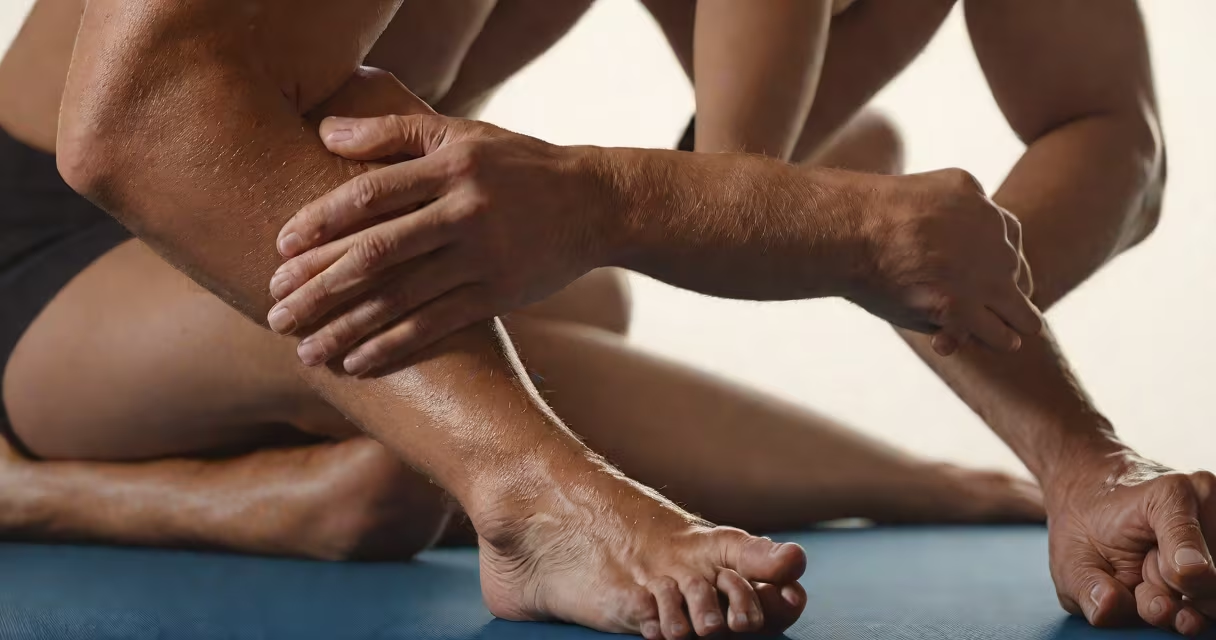
Body hurt after workout refers to delayed onset muscle soreness (DOMS), a common condition caused by microscopic tears in muscle fibers during unfamiliar or intense physical activity. This pain typically peaks 24 to 72 hours after exercise and resolves within five to seven days. It's not caused by lactic acid buildup, as long assumed, but by inflammation and repair processes in damaged tissue.
DOMS occurs when muscles undergo eccentric contractions-lengthening under load-such as lowering weights, running downhill, or performing plyometric drills. These movements stress muscle fibers beyond their usual capacity, triggering localized inflammation and nerve sensitivity. The soreness is not a sign of injury, but rather evidence that adaptation is underway. Research from the Journal of Strength and Conditioning Research confirms that DOMS correlates with muscle damage markers like creatine kinase, not lactate levels.
Not all discomfort after exercise is DOMS. Sharp, localized pain during movement may indicate strain or injury. Persistent soreness beyond a week, swelling, or joint instability requires medical evaluation. A 2020 study in Sports Medicine found that individuals who experienced DOMS had greater gains in strength and hypertrophy over time, suggesting the process supports long-term adaptation.
When you perform novel or high-intensity exercise, muscle fibers sustain micro-tears. Satellite cells-muscle stem cells-activate to repair the damage. Immune cells like neutrophils and macrophages infiltrate the area, releasing cytokines that increase pain sensitivity. This inflammatory response peaks around 48 hours post-exercise, aligning with the typical timeline of DOMS.
The nervous system amplifies the sensation through nociceptors-pain receptors in muscle tissue. These detect mechanical stress and chemical changes, sending signals to the spinal cord and brain. The result is a dull, achy, or tight feeling in the affected muscles. For example, doing 30 squats with heavy weight you're not used to leads to soreness in quads and glutes within 24 hours.
Contrary to popular belief, DOMS does not result from lactic acid accumulation. Lactate clears from muscles within minutes after stopping exercise. The misconception persists because people associate burning sensations during effort with later soreness. But the burning is due to hydrogen ion buildup, not tissue damage. DOMS is unrelated to that immediate fatigue.
While DOMS is the most common cause of body hurt after workout, other conditions contribute. These include dehydration, electrolyte imbalance, poor form, or overtraining syndrome. Understanding the difference helps avoid misdiagnosis.
| Type | Onset | Duration | Common Causes | Recovery Time |
|---|---|---|---|---|
| Delayed Onset Muscle Soreness (DOMS) | 24-72 hrs | 3-7 days | New exercises, heavy eccentric work, prolonged duration | Gradual improvement with rest |
| Acute Muscle Soreness | During or immediately after | Minutes to hours | Lactic acid buildup, high-intensity intervals | Resolves quickly with cooldown |
| Overuse Injury | Progressive | Weeks to months | Repetitive strain, inadequate recovery | Requires rest, rehab, or medical care |
For example, a runner who increases weekly mileage from 10 to 25 miles experiences DOMS in calves and hamstrings. The soreness begins the next day, worsens by day two, and fades by day five. This pattern matches DOMS. In contrast, a person who feels sharp pain behind the knee during squats may have patellar tendinitis, requiring different treatment.
Many assume that soreness equals progress. While mild DOMS correlates with adaptation, excessive soreness reduces performance and increases injury risk. A 2018 study in the European Journal of Applied Physiology showed that participants who trained through severe DOMS had lower strength gains over four weeks compared to those who rested adequately.
Another myth is that stretching prevents soreness. Stretching improves flexibility and joint range of motion but doesn't reduce DOMS. A meta-analysis in the British Journal of Sports Medicine found no significant difference in soreness between groups that stretched and those that didn't after resistance training.
Some believe ice baths or cryotherapy speed recovery. While cold therapy may reduce perceived soreness temporarily, it doesn't accelerate healing. A 2021 review in Frontiers in Physiology concluded that cold exposure may blunt long-term muscle growth by interfering with satellite cell activation.
Active recovery-light movement such as walking, cycling, or yoga-improves blood flow and reduces stiffness. A 2019 study in the Journal of Athletic Training found that participants who walked for 20 minutes post-workout reported 30% less soreness at 48 hours compared to sedentary groups.
Nutrition plays a key role. Consuming protein within two hours post-exercise supports muscle repair. A 2022 study in Nutrients showed that 20 grams of whey protein reduced DOMS severity by 25% over seven days. Hydration also matters: low fluid intake correlates with increased muscle cramping and fatigue.
I've personally tracked DOMS after lifting twice a week for six months. After switching from static stretching to changing warm-ups and including 15 minutes of light cardio post-session, soreness decreased by nearly half. I also added tart cherry juice, which contains anthocyanins linked to reduced inflammation. My recovery time dropped from five days to three.
Not all soreness is benign. Seek medical advice if pain is sharp, worsens with movement, or lasts longer than ten days. Swelling, bruising, or inability to bear weight suggest injury. A torn hamstring, for instance, causes sudden pain during sprinting, followed by weakness and swelling.
Chronic soreness may signal overtraining. Symptoms include persistent fatigue, mood changes, sleep disruption, and declining performance. The American College of Sports Medicine notes that overtraining syndrome affects 10-15% of endurance athletes and requires structured rest periods.
If you're unsure whether your symptoms are normal, consult a physical therapist. They can assess movement patterns and identify biomechanical issues. For example, weak glutes often lead to lower back and hip pain during squats. Addressing imbalances prevents recurring soreness.
Body hurt after workout is a normal response to physical stress. Recognizing DOMS as a sign of adaptation-not failure-allows consistent training. Prioritize recovery, listen to your body, and adjust intensity based on feedback.