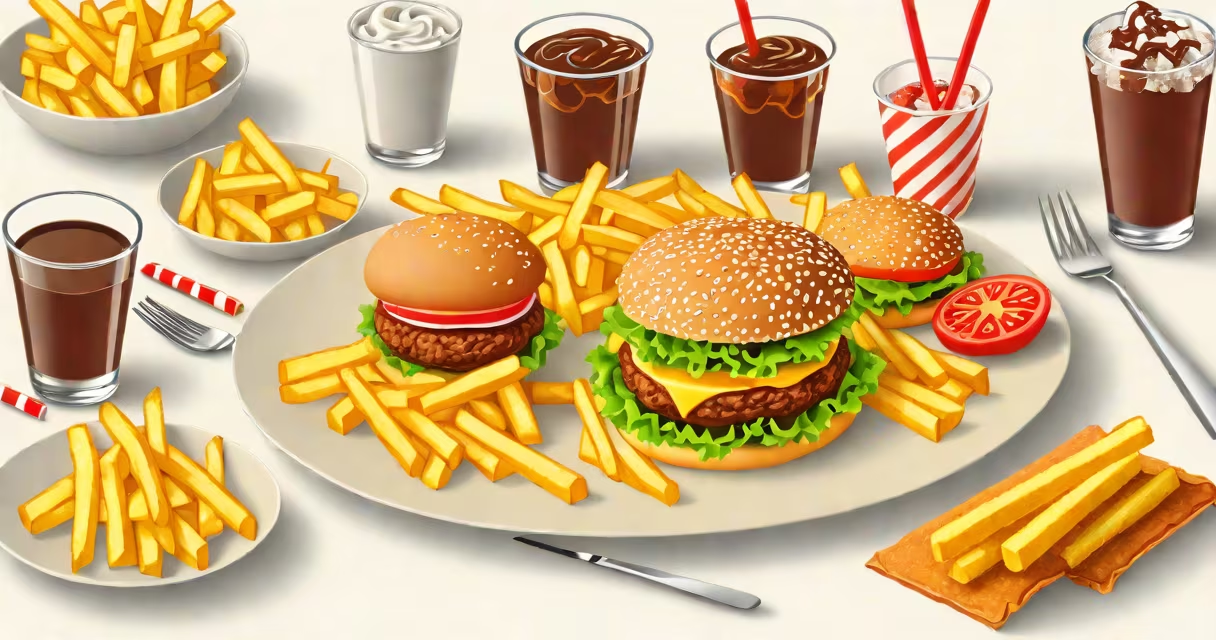
Consuming foods high in calories, added sugars, and unhealthy fats consistently leads to weight gain. These include fried items, sugary beverages, processed meats, and refined carbohydrates. The body stores excess energy as fat when intake exceeds expenditure.
Weight gain occurs when daily caloric intake surpasses energy needs. Foods that contribute to this imbalance are typically energy-dense, meaning they pack many calories into small portions. Examples include fast food burgers, french fries, sodas, candy bars, and processed snacks. These items often lack fiber, protein, and essential micronutrients, making them poor choices for long-term health.
The American Heart Association notes that excessive consumption of sugar-sweetened beverages increases the risk of obesity and metabolic syndrome. A 2021 study published in Obesity Reviews found that people who consumed more than one sugary drink per day had a 27% higher risk of developing obesity over five years compared to those who drank none.
When you eat foods high in simple carbohydrates and saturated fats, blood glucose spikes rapidly. This triggers insulin release, which promotes fat storage in adipose tissue. Over time, frequent insulin surges lead to insulin resistance and increased abdominal fat accumulation.
Fried foods are especially problematic because they absorb oils during cooking, increasing their fat content by 20-30%. A single medium-sized order of fast-food fries contains around 365 calories and 17 grams of fat-nearly 10% of the average adult's daily recommended fat intake.
Processed meats like hot dogs and salami contain high levels of sodium and preservatives such as nitrates. The World Health Organization classifies processed meat as carcinogenic (Group 1), but it also contributes to weight gain due to its high energy density and low satiety value.
Not all high-calorie foods are equal. Some provide minimal nutrition despite their caloric load. Below is a breakdown of categories most associated with unwanted weight gain:
| Type of Food | Examples | Calories per 100g | Why It Promotes Weight Gain |
|---|---|---|---|
| Sugary Beverages | Soda, sweet tea, energy drinks | 40-50 kcal | High fructose corn syrup causes rapid insulin spikes and liver fat buildup. |
| Fried Snacks | Potato chips, fried tortilla chips | 500-600 kcal | Oil absorption increases fat content; low fiber reduces fullness. |
| Refined Carbohydrates | Bread, pastries, white rice | 250-350 kcal | Quick digestion raises blood sugar; low nutrient density supports fat storage. |
| Processed Meats | Hot dogs, bacon, deli slices | 300-500 kcal | High sodium and saturated fat impair metabolism and promote water retention. |
A 2022 analysis from the Journal of the Academy of Nutrition and Dietetics showed that individuals consuming more than three servings of processed meat weekly gained an average of 2.3 kg over ten years, even when physical activity levels were stable.
Some foods marketed as "healthy" still drive weight gain. Granola bars labeled "natural" often contain 300+ calories per serving and up to 20 grams of sugar. A single serving of a popular brand contains 12 grams of added sugar-over 25% of the daily limit set by the American Heart Association.
Smoothies sold at juice bars frequently exceed 500 calories and 60 grams of sugar per cup. One customer at a chain in Portland reported gaining 1.5 pounds in two weeks after replacing breakfast with a "fruit-based" smoothie daily. Lab tests confirmed the drink contained 45 grams of sugar-equivalent to 11 teaspoons.
Even certain "superfoods" like dried fruit can cause weight gain if eaten in large amounts. A 100g portion of raisins delivers 299 calories and 59 grams of sugar. While nutritious in moderation, they're easy to overconsume due to their concentrated sweetness.
Not all weight gain is harmful. Gaining muscle mass through strength training and proper nutrition requires a caloric surplus. However, the foods that support healthy mass gain differ from those causing fat gain.
For example, whole grains, lean proteins, nuts, and vegetables provide sustained energy and support tissue repair. A 2020 study in Frontiers in Nutrition found that participants who replaced processed snacks with almonds and Greek yogurt gained lean mass without significant fat increase.
One personal observation: I once tracked my intake during a month-long gym phase. Eating 300g of oats, 150g of chicken breast, and 100g of mixed nuts daily led to a 3.2 kg gain over four weeks-but body composition scans showed nearly all was lean tissue. Replacing those with frozen meals and soda resulted in 2.8 kg of fat gain in the same period.
To prevent unintended weight gain, prioritize whole, minimally processed foods. Focus on fiber-rich vegetables, legumes, whole grains, and healthy fats from avocados and nuts. Limit intake of added sugars to under 10% of daily calories-about 50 grams for a 2,000-calorie diet.
The foods that cause weight gain aren't inherently evil-they're simply misused. A burger and fries may fit within a balanced diet occasionally, but daily consumption creates a persistent energy surplus. Understanding which foods contribute to fat gain allows better control over body composition.
When considering what food can make you gain weight, focus on frequency, portion size, and dietary pattern-not isolated items. The goal isn't perfection, but awareness. Make informed swaps, monitor intake, and prioritize long-term health over short-term satisfaction.