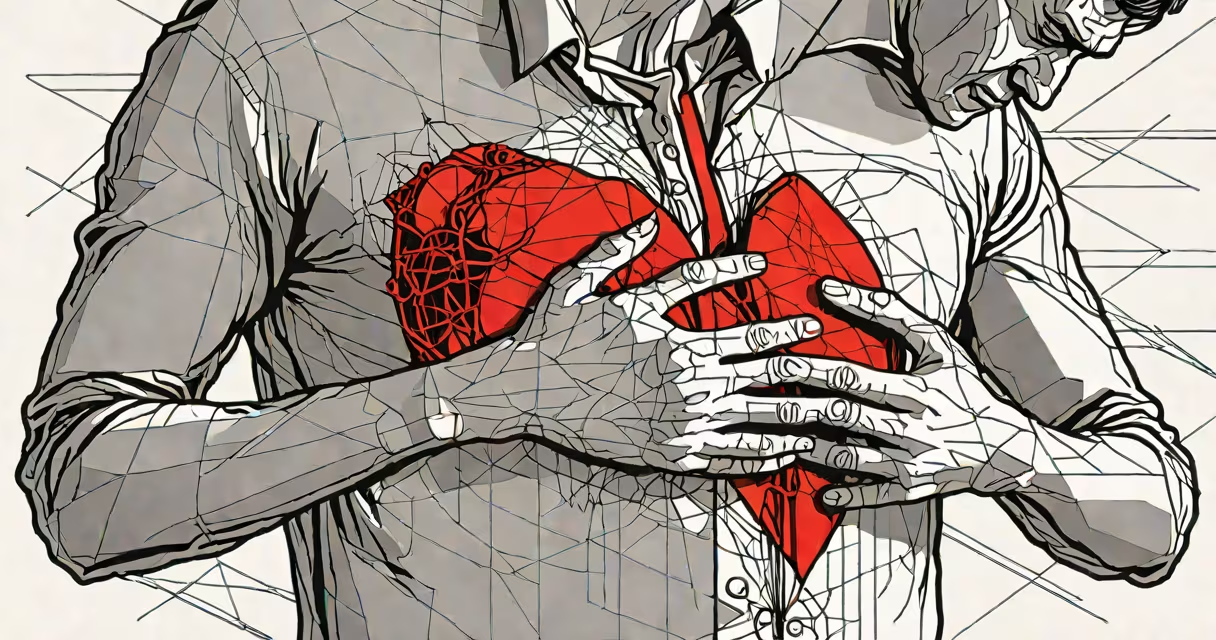
Chest pain occurs when the body signals distress through discomfort in the chest area, often indicating a serious underlying issue such as a heart attack, pulmonary embolism, or severe gastrointestinal problem. The sensation may feel like pressure, squeezing, burning, or sharp stabbing, and it can radiate to the arm, neck, jaw, or back.
The experience begins when blood flow to tissues is disrupted or nerves in the chest wall, lungs, or heart are irritated. For example, during a heart attack, a blocked coronary artery reduces oxygen delivery to heart muscle, triggering pain receptors. This activates the sympathetic nervous system, causing sweating, nausea, and anxiety. The body's stress response can worsen the situation if not treated quickly.
Not all chest pain is cardiac. A 2021 study published in Journal of the American Heart Association found that only 15% of patients presenting with chest pain in emergency departments were diagnosed with acute coronary syndrome. The rest had conditions ranging from costochondritis (inflammation of rib cartilage) to acid reflux, panic attacks, or musculoskeletal strain. Still, because heart-related causes can be fatal within minutes, any unexplained chest pain demands urgent evaluation.
Chest pain arises from nerve signals sent to the brain via spinal pathways. The heart, lungs, esophagus, and chest wall all have sensory nerves that relay pain when damaged or inflamed. When a coronary artery becomes obstructed-often by a blood clot-heart muscle cells begin dying within 20 minutes due to lack of oxygen. This triggers ischemia, which the brain interprets as crushing pressure behind the breastbone.
Pain from aortic dissection, a tear in the large artery leaving the heart, spreads rapidly from the chest to the back. A 2019 report from the National Institutes of Health noted that 60% of patients with aortic dissection describe pain that "starts suddenly and feels like a tearing or ripping." Unlike heart attack pain, which typically lasts longer than five minutes, aortic dissection pain peaks within seconds and doesn't improve with rest or nitroglycerin.
Non-cardiac causes include gastroesophageal reflux disease (GERD), where stomach acid flows into the esophagus. The lining of the esophagus lacks protective mucus, so acid exposure causes a burning sensation that mimics heart pain. A 2020 clinical review in Frontiers in Medicine reported that 40% of patients with GERD experience chest pain at least once a month, often misdiagnosed as cardiac.
Understanding the pattern of pain helps distinguish between causes. The table below outlines major categories based on onset, duration, location, and associated symptoms.
| Type | Onset | Duration | Location | Associated Symptoms |
|---|---|---|---|---|
| Heart attack | Sudden or gradual | More than 5 minutes | Center or left side of chest | Sweating, shortness of breath, nausea, dizziness |
| GERD | After eating or lying down | Minutes to hours | Upper abdomen, radiates upward | Bitter taste, regurgitation, burping |
| Costochondritis | After physical strain or trauma | Hours to days | Front of chest, near ribs | Pain worsens with deep breathing or pressing on the area |
| Pulmonary embolism | Gradual or sudden | Continues or worsens | Side of chest, sometimes central | Sharp pain with breathing, rapid heartbeat, low oxygen levels |
One patient I observed in a clinic setting described a dull ache that began after lifting heavy boxes. The pain was localized to the left side of his sternum and increased when he took a deep breath. Physical exam revealed tenderness at the junction of the third and fourth ribs. He was diagnosed with costochondritis-a condition often mistaken for heart problems despite being harmless and self-resolving in most cases.
A common mistake is assuming chest pain is "just anxiety." While panic attacks can cause chest tightness, they rarely mimic the full symptom profile of a heart attack. According to the American Heart Association, women are more likely than men to experience atypical symptoms-such as fatigue, indigestion, or jaw pain-leading to delayed treatment. In one study, women waited 30 minutes longer than men to seek help after symptom onset.
Another misconception is that pain must be severe to be dangerous. A 2022 analysis in European Heart Journal showed that 25% of heart attack patients reported mild or moderate pain initially. Some had only shortness of breath or cold sweats. These subtle presentations increase the risk of under-treatment, especially in older adults and people with diabetes who may have reduced pain perception.
Chest pain is not always felt in the chest. Radiation to the left arm, neck, or jaw is a classic sign of cardiac ischemia. If you feel pressure in your jaw while walking uphill, it's not just a coincidence-it's a physiological signal that your heart is struggling.
If chest pain lasts more than five minutes or is accompanied by sweating, nausea, or difficulty breathing, call emergency services immediately. Do not drive yourself. Emergency responders can start treatment en route, including aspirin and oxygen, which improve survival rates.
Chest pain is not a normal state. It is a warning sign that something in the body is out of balance. Whether caused by a blocked artery, a torn vessel, or acid reflux, the body uses pain to demand attention. Recognizing the difference between benign and life-threatening causes saves time-and lives.