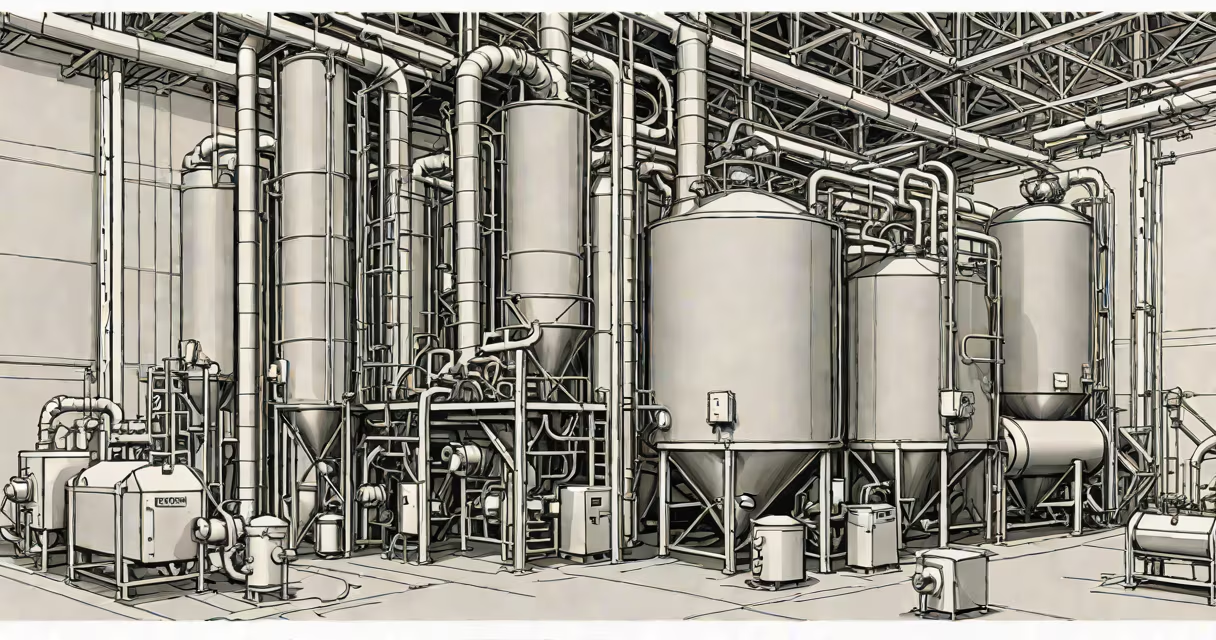
A bio digester is a sealed system that breaks down organic material-like food scraps, manure, or sewage-using bacteria in the absence of oxygen. This process, called anaerobic digestion, produces biogas (mostly methane and carbon dioxide) and a nutrient-rich sludge called digestate. The system turns waste into usable energy and fertilizer.
Bio digesters operate under controlled conditions: temperatures between 35°C and 55°C, low oxygen levels, and stable pH. Microbes in the tank consume organic matter over days to weeks, releasing gases and residual solids. The resulting biogas can power generators, heat buildings, or be upgraded to biomethane for injection into natural gas grids. Digestate serves as a soil amendment or fertilizer.
These systems range from small household units to large industrial plants. They're used in farms, wastewater treatment facilities, landfills, and urban composting centers. Their core function is transforming waste into resources while reducing greenhouse gas emissions.
Inside a bio digester, four stages occur sequentially. First, hydrolysis breaks down complex molecules-proteins, fats, carbohydrates-into simpler compounds like sugars and amino acids. Second, acidogenesis converts those into volatile fatty acids, alcohols, and gases such as hydrogen and carbon dioxide.
In the third stage, acetogenesis, bacteria convert fatty acids into acetic acid, hydrogen, and carbon dioxide. Finally, methanogenesis occurs: archaea (not bacteria) produce methane from hydrogen and carbon dioxide. Methane makes up 50% to 70% of the biogas produced.
Each phase requires specific microbial communities. Disruption-such as sudden temperature drops or pH shifts-can stall the process. For example, a drop below 30°C slows methanogen activity, leading to acid buildup and system failure. Maintaining stable conditions ensures continuous gas yield.
There are three main types of bio digesters based on operating temperature and design:
| Type | Operating Temp | Common Use Cases | Efficiency |
|---|---|---|---|
| Low-temperature (mesophilic) | 35-40°C | Small farms, home systems, municipal composting | Moderate (60-70% organic matter conversion) |
| High-temperature (thermophilic) | 50-60°C | Wastewater treatment, high-pathogen waste like animal manure | Higher (70-80%), faster startup time |
| Two-stage (hybrid) | Variable (acidogenic at 35°C, methanogenic at 55°C) | Large-scale industrial facilities, landfill gas recovery | Best performance (up to 85%) |
Thermophilic digesters destroy pathogens more effectively than mesophilic ones. A study by the U.S. Environmental Protection Agency (EPA) found thermophilic systems reduced E. coli levels by 99.9% in swine manure within 48 hours-critical for safe agricultural reuse.
One notable application is in Germany, where over 9,000 bio digesters process agricultural waste. These systems supply enough biogas to power 1.5 million homes annually. The country's Renewable Energy Act mandates feed-in tariffs for biogas, making it economically viable for farmers.
Many assume bio digesters are only for rural farms. In reality, urban facilities use them too. The city of San Francisco operates a 10,000-gallon-per-day digester at its wastewater treatment plant. It processes food waste from restaurants and generates 1.2 megawatts of electricity-enough to power 1,200 homes.
Another misconception is that all digestate is safe for soil. Not true. High concentrations of heavy metals or pharmaceutical residues in feedstock can carry over into digestate. The European Commission's Regulation (EU) 2019/1009 sets limits on cadmium, lead, and mercury in digestate used as fertilizer. Testing is required before field application.
Some confuse bio digesters with composting. While both handle organic waste, composting relies on oxygen and microbes that thrive in air. Composting produces heat and CO₂ but no biogas. A 100 kg batch of food waste yields ~15 m³ of biogas in a digester but only ~10 m³ of CO₂ in aerobic composting.
I visited a 1,200-head dairy farm in central Iowa that installed a 50,000-liter mesophilic digester in 2021. The system runs on cow manure and leftover silage. Daily input: 1,500 kg of wet manure and 300 kg of crop residue.
Over 30 days, the digester processed 45 tons of waste. Output: 12,000 cubic meters of biogas (65% methane), which powers a 250-kW generator. The farm saves $18,000 annually on electricity and sells surplus power to the grid at $0.08/kWh.
Digestate is stored for six months to allow pathogen die-off. Then it's applied to cornfields at 15 tons per hectare. Soil tests show increased nitrogen and phosphorus availability. Crop yields rose 12% compared to synthetic fertilizers.
This setup reduces methane emissions by 90% compared to open lagoons. The EPA estimates that replacing 100 open lagoons with digesters cuts annual methane emissions by 1,200 metric tons-equivalent to removing 260 cars from roads.
A bio digester is a closed-loop system that converts organic waste into renewable energy and soil nutrients using microbial action without oxygen. It's not just a farm tool-it's a scalable solution for cities, industries, and waste managers aiming to reduce emissions and recover value from trash.