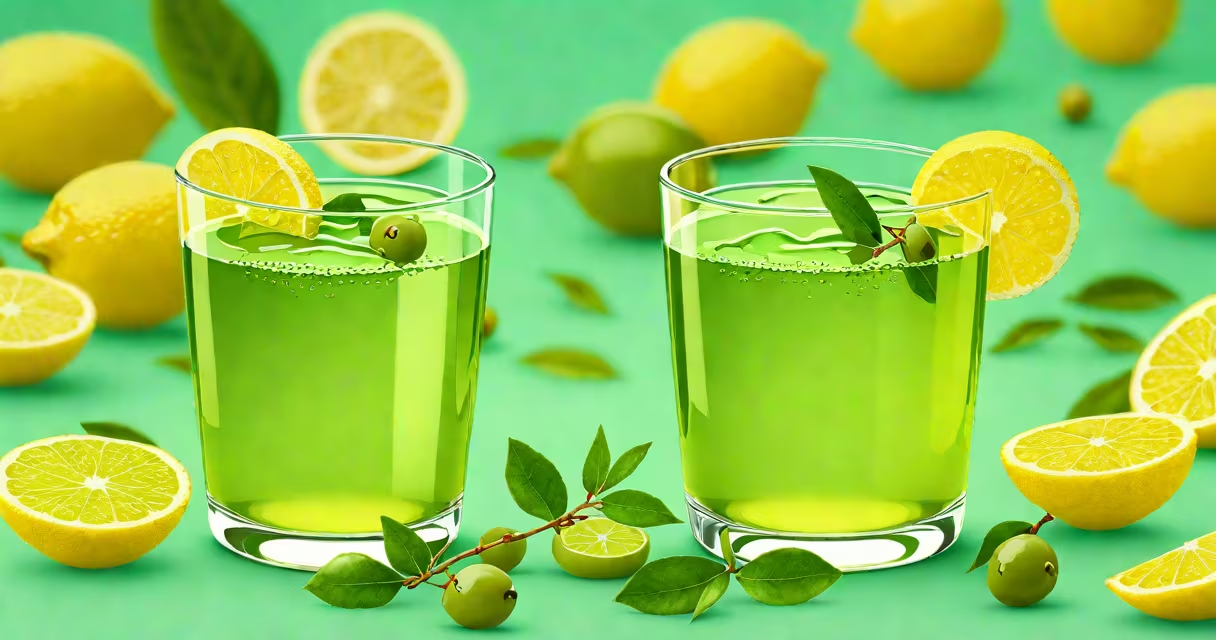
A gallbladder cleanse is a dietary protocol marketed as a natural way to eliminate gallstones by consuming a mixture of olive oil, lemon juice, and sometimes herbs or Epsom salt. Proponents claim it triggers the gallbladder to release stones, which then pass through the digestive tract. Despite widespread online promotion, no clinical evidence supports its safety or efficacy.
These cleanses typically involve drinking a large volume of olive oil mixed with lemon juice on an empty stomach, often followed by a fasting period. Some versions include herbal supplements or Epsom salt to induce bowel movements. The process is usually done once, lasting 12 to 24 hours, with users reporting passing small, greenish objects they claim are gallstones.
Medical experts emphasize that the "stones" passed during such cleanses are actually solidified oil and mucus, not actual gallstones. The American College of Gastroenterology states that no randomized controlled trials support the use of gallbladder cleanses for stone removal, and they may delay proper diagnosis and treatment of underlying conditions.
Proponents claim the combination of olive oil and lemon juice stimulates the gallbladder to contract forcefully, expelling stored bile and any stones lodged in the ducts. The theory suggests that the citric acid in lemon juice softens stones, while the fat in olive oil triggers cholecystokinin release, a hormone that causes gallbladder contraction.
However, human physiology does not support this mechanism. The gallbladder does not store stones in the way the cleanse implies. Gallstones form slowly over months or years within the gallbladder's bile, not in the ducts. They are composed primarily of cholesterol or bilirubin, not mucus or oil.
When the gallbladder contracts, it releases bile into the duodenum. Bile contains no solid stones-it's a fluid. Any solid material expelled during a cleanse is formed in the stomach or intestines from the ingested oils and acids, not from the gallbladder itself.
Gallbladder cleanses vary widely in formulation, but most follow a similar pattern. The core ingredients are olive oil, lemon juice, and sometimes Epsom salt or herbal blends. Variants exist based on duration, timing, and additional components.
| Type | Duration | Key Ingredients | Claimed Outcome |
|---|---|---|---|
| Classic Oil Flush | 12-24 hours | 1 cup olive oil, 1/2 cup lemon juice, optional Epsom salt | Passing gallstones overnight |
| Herbal Support Version | 3-5 days | Olive oil, lemon juice, milk thistle, dandelion root | "Detox" and stone prevention |
| Extended Fasting Cleanse | 3-7 days | Water, lemon water, juices, minimal food | Systemic cleansing and weight loss |
The classic oil flush is the most common. Users drink 1 cup of extra virgin olive oil mixed with fresh lemon juice over 15 minutes, then lie down in a dark room. After 30-60 minutes, nausea and diarrhea begin. Passages of greenish, gelatinous masses are reported as "stones."
One non-obvious fact: These masses are not stones. A 2018 study published in Frontiers in Gastroenterology analyzed samples from individuals who claimed to pass gallstones during cleanses. All were composed of solidified oil, mucus, and bile pigments-not cholesterol or calcium salts. True gallstones require imaging for confirmation.
Many people believe gallbladder cleanses work because they report symptom relief afterward. This is likely due to temporary changes in digestion, such as reduced bloating or improved bowel movement frequency. But these effects are not caused by stone removal-they're side effects of fasting, high-fat intake, and dehydration.
Another misconception is that gallstones cause chronic fatigue, headaches, or skin issues. While gallstones can cause severe pain (biliary colic), they do not trigger systemic symptoms unless complications arise. The National Institutes of Health notes that gallstone disease affects 10-15% of adults in the U.S., but most remain asymptomatic until a stone blocks a duct.
I once watched a client perform a gallbladder cleanse live on a wellness forum. She drank the oil-lemon mix, lay down, and experienced intense nausea. Two hours later, she passed a greenish mass. She called it a "success." I asked her to bring it to her doctor. The lab analysis confirmed it was a lipid-based clot, not a stone. Her symptoms returned within a week.
Performing a gallbladder cleanse poses real health risks. High-fat intake can trigger acute pancreatitis, especially in people with existing pancreatic or biliary disease. Nausea, vomiting, and diarrhea are common. Dehydration and electrolyte imbalance can occur during fasting phases.
More seriously, if a person has a large stone blocking the common bile duct, a cleanse may worsen the condition. Obstruction can lead to cholangitis (bile duct infection), jaundice, or sepsis. Delaying medical care increases mortality risk. The Mayo Clinic warns that self-treatment of suspected gallstones can result in life-threatening complications.
True gallstone management requires imaging (ultrasound or MRI) and medical evaluation. Treatment options include cholecystectomy (gallbladder removal), medications to dissolve stones, or endoscopic procedures. These are backed by decades of clinical research.
For long-term digestive health, focus on evidence-based strategies. Eat a balanced diet rich in fiber, healthy fats, and whole grains. Limit processed foods and saturated fats. Maintain a healthy weight-obesity increases gallstone risk by 50% compared to normal BMI.
There is no safe or effective way to "cleanse" the gallbladder. The body naturally processes bile and eliminates waste through the liver and intestines. No supplement or juice blend can replace this system. Always consult a healthcare provider before trying any alternative therapy involving fasting, high-dose oils, or unregulated supplements.