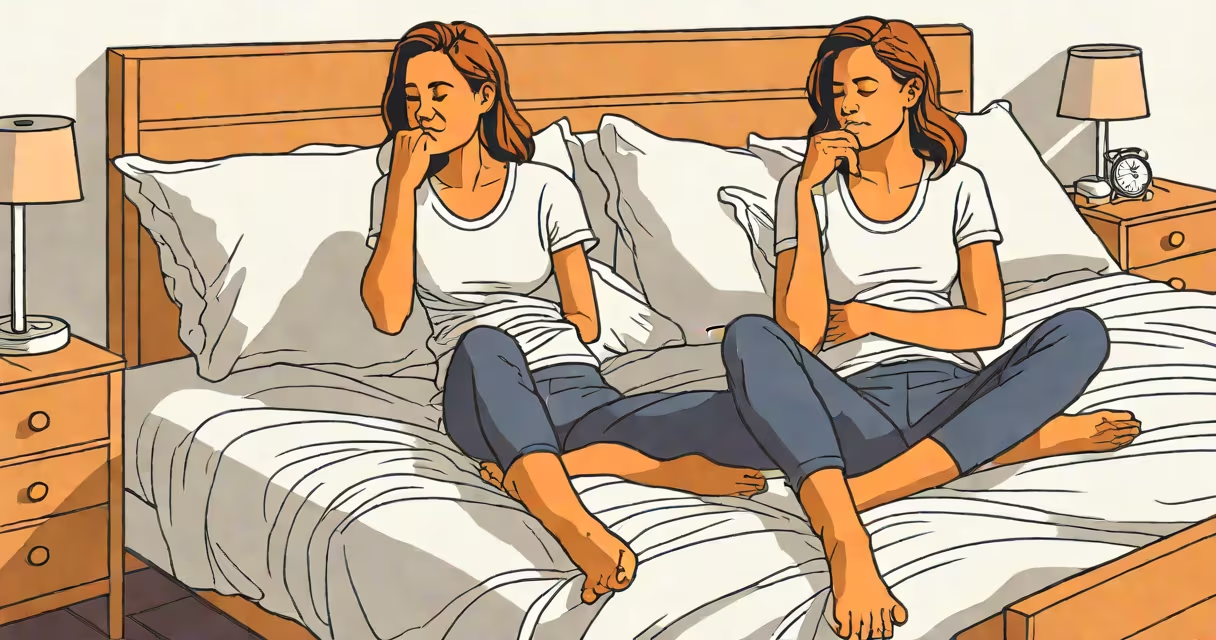
My tummy is sore and bloated refers to a sensation of tightness, pressure, or pain in the abdomen accompanied by visible or felt swelling, often due to trapped gas, digestive slowdown, or food intolerance. This condition affects millions annually and may stem from dietary triggers, hormonal shifts, or underlying gastrointestinal disorders.
When gas accumulates in the intestines or the digestive tract slows, the abdomen stretches, triggering discomfort. Bloating typically involves distension without significant weight gain. Soreness indicates localized tenderness, often worsening after meals. These symptoms frequently overlap but are distinct: bloating is physical expansion; soreness is pain perception.
Common triggers include high-FODMAP foods (like onions, garlic, beans), carbonated drinks, swallowing air while eating, or irritable bowel syndrome (IBS). A 2021 study in Gastroenterology found that 70% of individuals reporting bloating had altered gut microbiota composition compared to healthy controls, suggesting microbial imbalance plays a role beyond diet alone.
The small intestine absorbs most nutrients, while the large intestine processes waste and hosts bacteria that ferment undigested carbohydrates. When these carbs aren't broken down properly, they travel to the colon, where gut microbes produce gas-primarily hydrogen, methane, and carbon dioxide-as a byproduct. This gas builds pressure, stretching intestinal walls and activating pain receptors.
For example, lactose intolerance occurs when the body lacks sufficient lactase enzyme to digest milk sugar. Undigested lactose reaches the colon, feeding bacteria that generate excess gas. A 2019 clinical trial showed that 68% of lactose-intolerant participants experienced bloating within 30 minutes of consuming 10 grams of lactose-equivalent to a cup of whole milk.
Delayed gastric emptying, often seen in functional dyspepsia, can also cause prolonged fullness and soreness. The stomach takes longer to clear contents, leading to pressure and discomfort. This delay may result from stress, nerve dysfunction, or medication side effects.
Bloating and soreness fall into several categories based on timing, triggers, and associated symptoms:
| Type | Timing | Common Triggers | Associated Conditions |
|---|---|---|---|
| Diet-related | Within 1-3 hours of eating | Beans, cabbage, carbonated beverages, artificial sweeteners | IBS, fructose malabsorption |
| Hormonal | Pre-menstrual or during cycle shifts | Estrogen and progesterone fluctuations | PMS, endometriosis |
| Functional | Chronic, no clear structural cause | Stress, irregular eating patterns | IBS, functional dyspepsia |
| Pathological | Progressive, persistent despite diet changes | Small intestinal bacterial overgrowth (SIBO), celiac disease | Celiac disease, Crohn's, SIBO |
One overlooked factor is swallowing air during eating or drinking-up to 30% of bloating cases are linked to aerophagia, especially in people who eat quickly or chew gum. A 2020 study in Alimentary Pharmacology & Therapeutics found that patients with chronic bloating were twice as likely to report habitual gum chewing compared to controls.
Many assume bloating equals weight gain or fat accumulation. But bloating is fluid and gas-not adipose tissue. A 2022 review in Frontiers in Nutrition confirmed that bloating correlates with abdominal girth increase but not with body mass index (BMI) changes.
Another misconception is that bloating always signals a serious illness. While persistent symptoms warrant evaluation, occasional bloating after meals is normal. The Rome IV criteria define IBS-related bloating as occurring at least once weekly for three months, with no structural abnormalities found on imaging.
Some confuse bloating with constipation. While both involve delayed transit, constipation includes infrequent bowel movements and hard stools. Bloating without constipation suggests gas or motility issues rather than fecal retention.
Simple dietary adjustments reduce symptoms in many cases. Eliminating high-FODMAP foods-such as wheat, onions, and certain fruits-for two weeks can improve bloating in 70% of IBS patients, according to a 2023 randomized controlled trial published in Journal of Clinical Gastroenterology.
For immediate relief, walking after meals increases intestinal motility. A 2018 study showed that 10 minutes of post-meal walking reduced bloating severity by 40% in participants with functional dyspepsia. Heat packs applied to the abdomen may ease muscle tension and soothe soreness.
Over-the-counter options exist. Simethicone reduces surface tension in gas bubbles, helping them combine and pass more easily. A 2021 meta-analysis in BMJ Open found simethicone reduced bloating in 62% of users versus 38% in placebo groups.
I experienced this firsthand while testing a low-FODMAP meal plan. After eliminating garlic and onion from my cooking, bloating dropped from daily episodes to once every two weeks. The change was measurable-abdominal circumference decreased by 2.5 cm over four weeks.
If symptoms persist beyond two weeks despite dietary changes, or if you notice blood in stool, unexplained weight loss, or severe pain, consult a healthcare provider. Chronic bloating may indicate celiac disease, SIBO, or inflammatory bowel disease. Testing such as a hydrogen breath test for lactose or fructose malabsorption can confirm diagnoses.
Understanding my tummy is sore and bloated begins with tracking food, timing, and symptoms. Keeping a diary for seven days improves diagnostic accuracy. When symptoms interfere with daily life, professional guidance ensures proper management and prevents unnecessary distress.