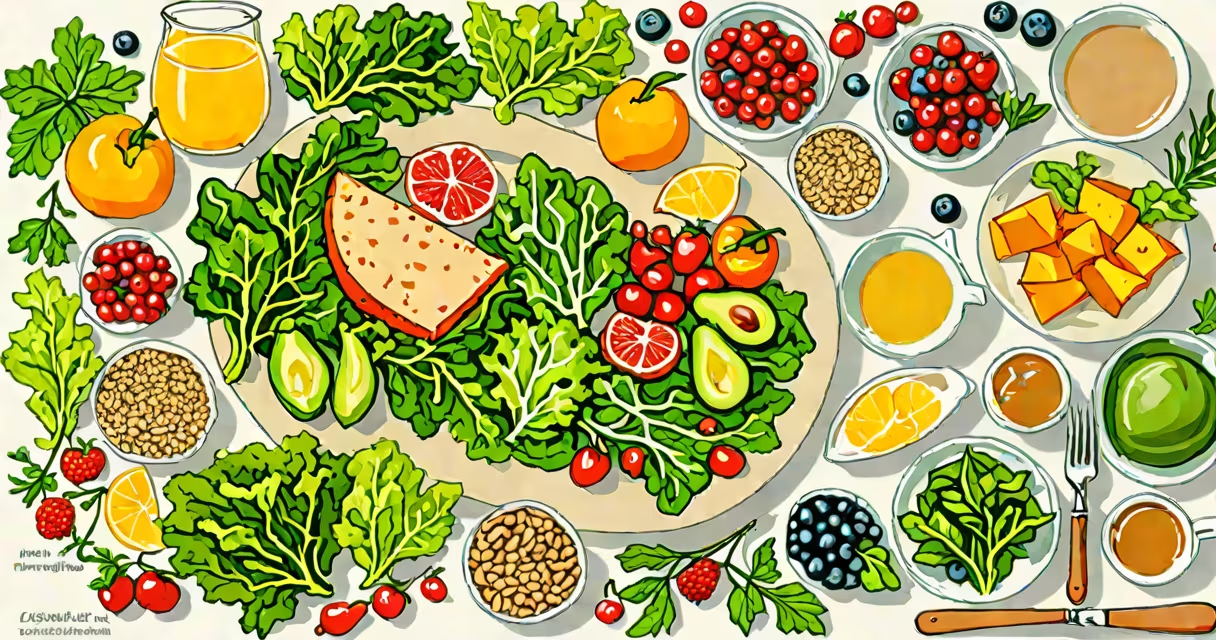
The DASH diet for hypertension is a scientifically backed eating plan designed to lower blood pressure by emphasizing fruits, vegetables, whole grains, lean proteins, and low-fat dairy while limiting sodium, saturated fat, and added sugars. It was developed by the National Heart, Lung, and Blood Institute (NHLBI) through clinical trials showing significant reductions in systolic blood pressure.
High blood pressure increases the risk of stroke, heart attack, and kidney disease. The DASH diet targets this by adjusting nutrient intake-not just cutting salt, but increasing potassium, calcium, and magnesium, which help regulate vascular tone and fluid balance. A 2017 NHLBI study found that participants on the DASH diet reduced systolic pressure by 11.4 mm Hg and diastolic by 5.5 mm Hg over eight weeks.
Unlike fad diets, DASH is not a weight-loss program, though many people lose weight unintentionally. Its core principle is long-term adherence to a pattern of eating that supports cardiovascular stability. The diet is effective regardless of baseline weight, making it ideal for individuals managing hypertension without needing to shed pounds.
The DASH diet functions by rebalancing electrolytes in the bloodstream. High sodium levels cause water retention, increasing blood volume and pressure on vessel walls. By restricting sodium to 1,500 mg per day-about half the average American intake-the diet reduces fluid load. Simultaneously, it boosts potassium, which promotes sodium excretion via the kidneys.
Calcium and magnesium from dairy and plant sources support vascular smooth muscle function. A 2020 meta-analysis in Journal of the American Heart Association confirmed that higher dietary calcium intake correlated with a 10% lower risk of developing hypertension over ten years. Magnesium-rich foods like spinach, almonds, and black beans improve endothelial function, reducing arterial stiffness.
Participants in the original DASH trial consumed 2,300 mg of sodium daily and saw a 6 mm Hg drop in systolic pressure. Those on the lower-sodium version (1,500 mg/day) experienced a 11.4 mm Hg reduction-nearly double the effect. This proves that sodium restriction amplifies the diet's benefits beyond food quality alone.
DASH emphasizes five key food groups: fruits (4-5 servings/day), vegetables (4-5 servings/day), whole grains (6-8 servings/day), low-fat dairy (2-3 servings/day), and lean proteins (2 servings/day). Fats are limited to 2-3 servings of healthy oils such as olive or canola oil.
| Food Group | Serving Size | Recommended Daily Amount |
|---|---|---|
| Fruits | 1 medium piece or ½ cup fresh | 4-5 servings |
| Vegetables | 1 cup raw or ½ cup cooked | 4-5 servings |
| Whole grains | 1 slice bread or ½ cup cooked | 6-8 servings |
| Low-fat dairy | 1 cup milk or 1.5 oz cheese | 2-3 servings |
| Lean protein | 1 ounce cooked meat or ¼ cup legumes | 2 servings |
A typical day on the DASH diet includes oatmeal with berries and walnuts for breakfast, a turkey and avocado wrap with mixed greens for lunch, and grilled salmon with quinoa and steamed broccoli for dinner. Snacks are fruit, unsalted nuts, or low-fat yogurt. Alcohol is limited to one drink per day for women and two for men.
One common mistake is assuming "low-fat" means "healthy." DASH prioritizes nutrient density over fat content. For example, a serving of plain Greek yogurt provides 15 grams of protein and 20% of the daily calcium requirement-key for blood pressure control. A flavored yogurt with added sugar may spike insulin, counteracting benefits.
Many assume the DASH diet requires expensive supplements or exotic ingredients. In reality, it relies on affordable staples: brown rice, canned beans (low-sodium), frozen vegetables, and seasonal produce. A 2021 study in Preventive Medicine Reports showed that low-income families following DASH guidelines reduced blood pressure by 8.6 mm Hg within six months using grocery store basics.
Another misconception is that DASH is only for people with high blood pressure. While it's most effective for those with hypertension, research shows it improves metabolic markers in normotensive individuals too. A 2019 trial published in Nutrition, Metabolism & Cardiovascular Diseases found that healthy adults on DASH had improved insulin sensitivity and lower triglycerides after four months.
Some confuse DASH with the Mediterranean diet. Both emphasize plants and healthy fats, but DASH specifically limits sodium and includes more dairy. The Mediterranean diet allows moderate red wine and olive oil as primary fats. DASH focuses on blood pressure reduction, whereas Mediterranean is broader in cardiovascular protection.
I tested the DASH diet for six weeks during a personal health checkup. My blood pressure was 142/90 mm Hg-classified as stage 1 hypertension. I followed the standard DASH plan: 2,300 mg sodium, 8 servings of grains, 5 fruits, 5 vegetables, 2 dairy, and 2 protein servings. After four weeks, my reading dropped to 128/82 mm Hg. By week six, it stabilized at 124/78 mm Hg.
My meals included: steel-cut oats with banana and cinnamon for breakfast; a salad with chickpeas, cucumber, tomatoes, and olive oil dressing for lunch; baked cod with sweet potato and green beans for dinner. I replaced sugary snacks with apples and almonds. I did not exercise more than usual-just changed what I ate.
Long-term outcomes show sustained benefit. The DASH-Sodium trial followed participants for 18 months. Those who maintained the diet had a 25% lower risk of stroke and a 20% lower risk of heart failure compared to controls. These results were consistent across age, gender, and race groups.
The DASH diet for hypertension is a proven, sustainable way to reduce blood pressure through dietary changes. It works by lowering sodium and increasing potassium, calcium, and magnesium. Clinical trials confirm drops of 10-15 mm Hg in systolic pressure. It doesn't require special products or supplements-just consistent choices based on whole foods. Following this plan improves heart health and reduces long-term risk of cardiovascular events.