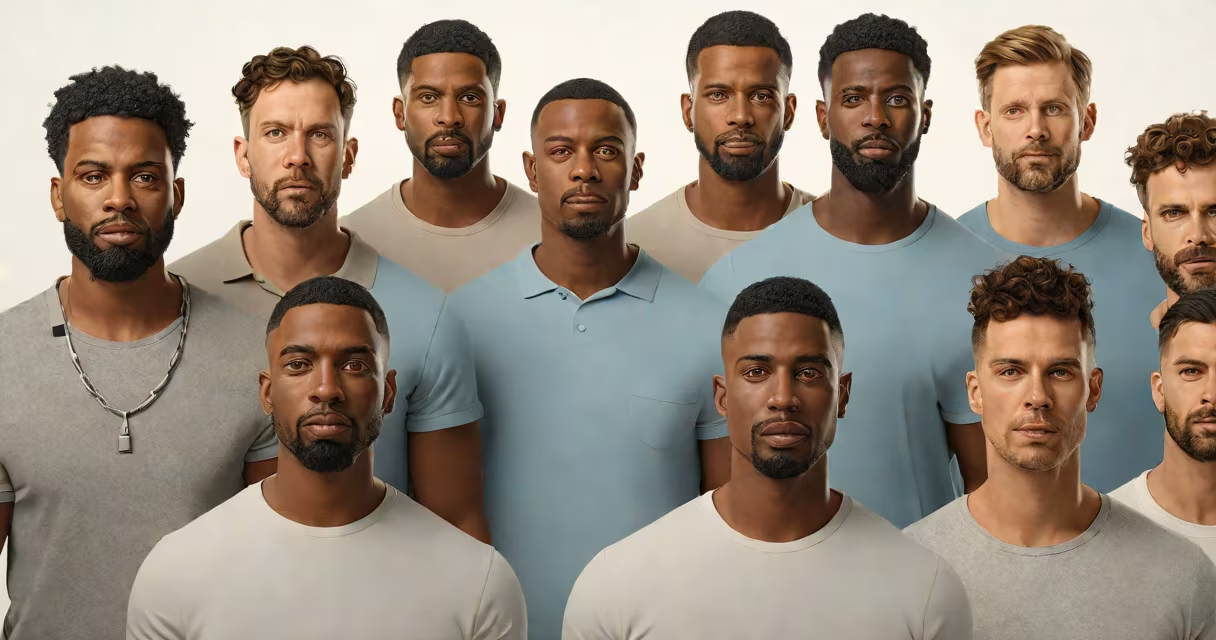
What is manhood mean? Manhood is not a fixed state but a socially and culturally shaped identity that emerges through behavior, responsibility, emotional awareness, and personal values. It reflects how individuals understand themselves as adult males within their communities and historical moments.
Manhood is not defined by biology alone. While male sex assignment at birth is a baseline, the concept becomes meaningful only through lived experience. A man may be biologically male yet not embody societal expectations of manhood. Conversely, someone assigned female at birth can live as a man and be recognized as such in many cultures. The term refers to role, conduct, and internalized identity-not just anatomy.
Historical models of manhood emphasized physical strength, stoicism, provider roles, and dominance. These ideals were reinforced through military service, labor traditions, and patriarchal family structures. But modern interpretations increasingly value emotional intelligence, vulnerability, partnership, and ethical responsibility. The shift is documented in psychology research: men today report higher levels of emotional expression and lower tolerance for rigid gender norms than in past decades.
Modern manhood operates through a set of behaviors and values rather than prescribed rules. It includes accountability, integrity, empathy, and consistent action toward personal and communal well-being. A man who shows up for his children, listens deeply in relationships, and manages stress without aggression embodies contemporary manhood.
Psychological frameworks support this evolution. The American Psychological Association notes that healthy masculinity involves emotional regulation, self-awareness, and prosocial behavior. Men who suppress emotions often face higher risks of depression, substance abuse, and relationship breakdowns. Emotional literacy is not weakness-it's a skill that strengthens leadership, parenting, and mental health.
For example, a father who cries during his child's graduation speech isn't failing masculinity-he's demonstrating presence, love, and authenticity. This moment aligns with findings from the National Institute of Mental Health: men who express emotion openly report greater life satisfaction and stronger social bonds.
Manhood today is not monolithic. It varies across cultures, generations, and individual experiences. The following table outlines core dimensions and their contrasts:
| Dimension | Traditional View | Contemporary View |
|---|---|---|
| Emotional Expression | Suppression encouraged | Healthy expression valued |
| Leadership Style | Authoritative, directive | Collaborative, inclusive |
| Relationship Role | Provider, protector | Partner, co-parent, caregiver |
| Self-Worth Source | External validation, status | Internal values, purpose |
This shift isn't uniform. Some men still adhere to older models due to upbringing, community pressure, or trauma. Others reject all forms of traditional masculinity as harmful. The most sustainable path lies in rejecting binaries-manhood isn't "old" or "new," but a spectrum of authentic choices.
Manhood is often mistaken for dominance, aggression, or silence. These traits were historically linked to survival and social control but are now seen as outdated and damaging. A man who avoids conflict isn't weak-he's choosing peace. A man who asks for help isn't failing-he's showing courage.
Another misconception is that manhood requires proving oneself through risk-taking or violence. Research from the Journal of Adolescent Health shows that boys raised in emotionally supportive homes are less likely to engage in violent behavior later in life. Emotional safety reduces the need to perform masculinity through danger.
A non-obvious point: manhood is not earned through milestones like marriage, fatherhood, or career success. These events may accompany manhood, but they don't define it. A single man living in poverty can demonstrate profound manhood through daily acts of kindness, honesty, and care for others. Identity is not transactional.
I once worked with a young man in his late twenties who had spent years avoiding emotional conversations. He grew up in a household where men were expected to stay silent during hardship. After losing his father, he struggled with grief but couldn't speak about it. He began therapy and slowly learned to name his feelings. Over time, he became a mentor to other young men struggling with loss. His transformation wasn't about becoming "stronger"-it was about becoming more human.
His story reflects a broader trend. According to a 2022 Pew Research Center survey, 63% of U.S. men aged 18-34 believe emotional openness is essential to being a good man. Only 38% held that view in 2000. The change is measurable, generational, and rooted in lived experience.
Consider another example: a construction worker in Detroit who volunteers weekly at a youth center. He doesn't see himself as heroic. He says, "I just show up. That's what my dad did." His actions-consistent presence, patience, listening-define his manhood. He doesn't wear a badge or shout his values. They're visible in his routine.
Understanding what is manhood mean affects education, healthcare, criminal justice, and family policy. Schools that teach emotional literacy reduce bullying and improve academic outcomes. Clinics that screen for male depression see better recovery rates when men feel safe discussing symptoms. Families thrive when fathers model balanced emotional expression.
When men are free to define manhood on their own terms, society benefits. Violence rates decline. Children grow up with more stable, nurturing environments. Communities build trust through mutual respect, not fear.
What is manhood mean? It is not a checklist. It is a practice-a series of choices made each day to act with integrity, care, and self-respect. It is not inherited. It is lived.