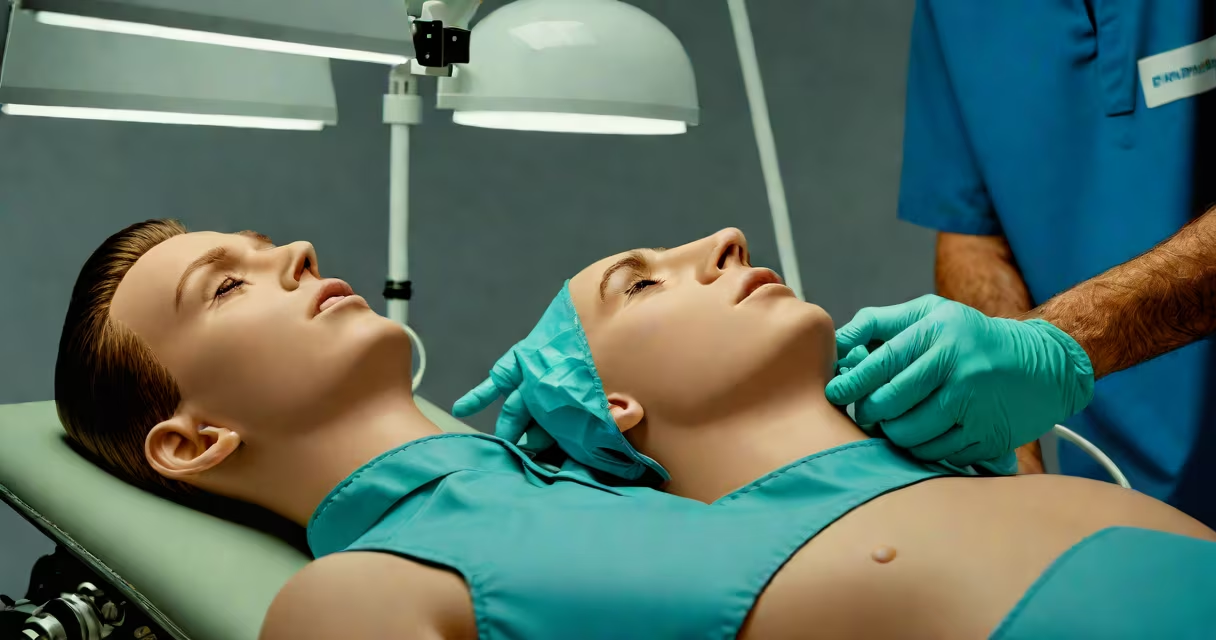
To become a paramedic, you must complete a state-approved paramedic program, pass the National Registry of Emergency Medical Technicians (NREMT) exam, and obtain state licensure. These steps ensure you meet federal standards for emergency care and can legally practice in any U.S. state.
Paramedics deliver advanced life support in high-pressure situations. They assess patients, administer medications, interpret EKGs, and manage airways during emergencies. Their work begins after EMT-Basic training and requires formal education beyond basic emergency response.
The National Highway Traffic Safety Administration (NHTSA) sets the minimum curriculum standards for paramedic programs. These programs typically last 12 to 18 months and include 1,200 to 1,600 hours of didactic and clinical training. You must complete all hours under supervision to qualify for certification.
Before entering a paramedic program, most candidates hold an EMT-Basic certification. This foundational role trains you in patient assessment, CPR, bleeding control, and basic airway management. You must maintain current EMT credentials throughout paramedic training.
Paramedic programs cover advanced topics such as pharmacology, cardiac monitoring, trauma care, pediatrics, obstetrics, and critical care transport. Students spend 600 to 1,000 hours in clinical rotations at hospitals, ambulance services, and emergency departments. These rotations expose you to real-world emergencies, including cardiac arrests, trauma cases, and overdose responses.
A 2023 NHTSA report found that 87% of accredited paramedic programs require at least 500 clinical hours in acute care settings. Programs in urban areas often include time in Level I trauma centers, while rural programs may emphasize long-distance transport and remote response scenarios.
After completing your program, you must pass the NREMT Paramedic cognitive exam. This computer-adaptive test consists of 100 to 125 questions drawn from six domains: Airway Management, Trauma, Medical, Obstetrics and Pediatrics, Cardiology, and Operations. You must score at or above the passing standard, which varies slightly by state.
Once you pass the cognitive exam, you must complete the NREMT psychomotor exam. This hands-on evaluation tests your ability to perform key skills under timed conditions. Skills include intubation, IV insertion, defibrillation, and managing a simulated cardiac arrest. Failure rates average 18% nationally, according to NREMT's 2022 annual report.
After passing both exams, you receive national certification. State licensing follows. Each state sets its own rules for issuing licenses. Some states accept NREMT certification directly; others require additional exams or background checks. For example, California mandates a state-specific exam covering local protocols and emergency vehicle operations.
| Requirement | Typical Duration | Hours/Units | Source |
|---|---|---|---|
| EMT-Basic certification | 4-8 weeks | 120-150 hours | NHTSA EMT-Basic Curriculum |
| Paramedic program | 12-18 months | 1,200-1,600 hours | NHTSA Paramedic Scope of Practice |
| Clinical rotations | 6-12 months | 600-1,000 hours | NREMT Psychomotor Exam Guidelines |
| NREMT cognitive exam | 2-3 hours | 100-125 questions | NREMT Annual Report 2022 |
Many assume paramedic training is purely physical or instinctive. In reality, it demands rigorous academic study. You'll take courses in anatomy, physiology, pharmacology, and emergency ethics. A single mistake in medication dosage or airway management can result in patient death.
Another misconception is that paramedics work independently. Most operate under physician oversight through protocols. In many states, they must consult a medical director before administering certain drugs. This system ensures consistency and accountability in field decisions.
Some confuse paramedics with firefighters or police officers. While all serve emergency response teams, their roles differ. Firefighters focus on fire suppression and rescue; police handle law enforcement. Paramedics specialize in medical care. You cannot become a paramedic without completing a dedicated paramedic program.
In 2023, a candidate named Jamal completed a 15-month paramedic program at City College of Chicago. He spent 700 hours in clinical rotations across three hospitals: Mercy Hospital, Cook County Trauma Center, and Stroger Hospital. During his rotations, he managed 12 cardiac arrests, 18 trauma cases, and five pediatric emergencies.
He passed the NREMT cognitive exam on his first attempt with a score of 78%. His psychomotor exam included successful intubation, IV placement, and defibrillation under time pressure. After receiving national certification, he applied for licensure in Illinois, which required a fingerprint-based background check and proof of immunizations.
Within three weeks of passing all exams, Jamal was hired by the Chicago Fire Department's EMS division. He now responds to 911 calls across the city, working 24-hour shifts on rotating schedules.
Paramedics are not physicians. They do not diagnose diseases or prescribe long-term treatments. Their role ends when a patient reaches a hospital. However, their interventions often stabilize patients enough to survive surgery or intensive care.
I observed a paramedic team in Detroit during a winter night shift. One crew member performed a rapid sequence intubation on a 65-year-old man in cardiac arrest. The procedure took 90 seconds. After securing the airway, they administered epinephrine and initiated chest compressions. The patient arrived at the hospital with return of spontaneous circulation-something that wouldn't have happened without timely, skilled intervention.
This moment reinforced that paramedics aren't just responders-they're critical decision-makers in the first minutes of a medical crisis. Their training prepares them for moments where seconds save lives.
What is required to become a paramedic is a structured, multi-phase process combining education, clinical experience, and national certification. The path demands discipline, emotional resilience, and technical precision. Once qualified, you join a important network of professionals who respond when lives hang in the balance.