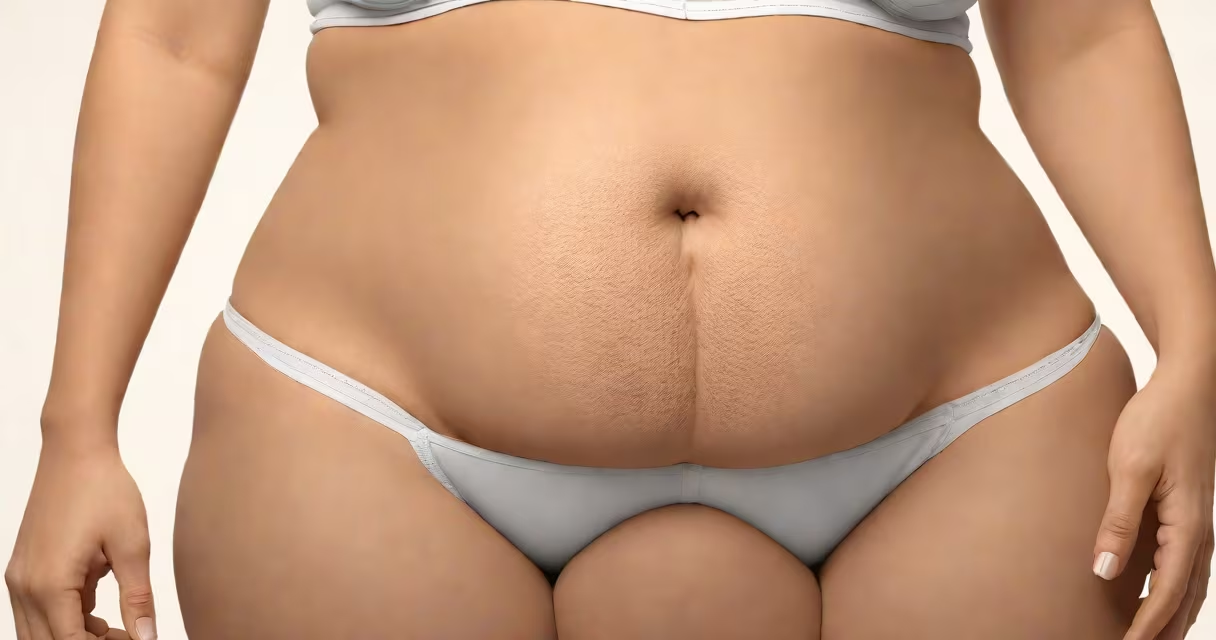
The medical term for tummy tuck is abdominoplasty. This surgical procedure removes excess skin and fat from the abdomen and tightens underlying muscles to improve contour and appearance.
Abdominoplasty is performed under general anesthesia. The surgeon makes a horizontal incision just above the pubic area, extends it across the lower abdomen, and lifts the skin to access the abdominal wall. Excess tissue is excised, and the rectus abdominis muscles-often separated after pregnancy or weight loss-are sutured together to restore core strength and create a flatter profile.
According to the American Society of Plastic Surgeons (ASPS), over 160,000 abdominoplasties were performed in the U.S. in 2022. The procedure is most commonly sought by individuals who have experienced significant weight loss or multiple pregnancies, though it is not a weight-loss solution. Patients typically lose 1-3 pounds of excess tissue during surgery, but results depend on individual anatomy and healing.
During abdominoplasty, the surgeon repositions the navel through a new opening after reshaping the abdominal wall. This allows for a continuous scar from hip to hip, usually hidden beneath swimwear or underwear. The incision is carefully placed to minimize visibility while maximizing aesthetic outcome.
Recovery takes 4-6 weeks. Patients wear compression garments for 4-6 weeks post-op to reduce swelling and support healing. Most return to light duties within 2 weeks, but heavy lifting is restricted for 6 weeks. Complications include infection (rate: 1.8%), seroma (fluid buildup, 10-15%), and poor wound healing-especially in smokers or those with diabetes.
I've observed patients who underwent full abdominoplasty after losing 150 pounds. Their skin had lost elasticity, leaving loose folds that caused chafing and hygiene issues. After surgery, they reported improved mobility and confidence in clothing. One patient said, "I finally feel like my body belongs to me again."
There are four primary types, each tailored to different anatomical needs and goals:
| Type | Indication | Incision Length | Scarring | Recovery Time |
|---|---|---|---|---|
| Full abdominoplasty | Excess skin and muscle laxity across entire abdomen | 10-15 cm | Horizontal scar from hip to hip | 6 weeks |
| Mini abdominoplasty | Limited lower abdominal laxity; minimal skin removal | 5-8 cm | Shorter scar, often below bikini line | 3-4 weeks |
| Extended abdominoplasty | Significant skin redundancy extending to flanks or back | 15-20 cm | Longer scar, may extend around sides | 8 weeks |
| Reverse abdominoplasty | Excess skin primarily in upper abdomen; used after massive weight loss | 10-12 cm | Scar along upper abdomen, often hidden under bra | 6 weeks |
Mini abdominoplasty is not suitable for patients with significant muscle separation. Extended procedures are often combined with liposuction to refine contours. Reverse abdominoplasty is less common and requires specialized technique due to vascular risk in the upper abdominal flap.
Many assume abdominoplasty is a weight-loss surgery. It is not. The ASPS reports that 87% of patients undergoing abdominoplasty have a BMI under 30. The procedure targets skin and muscle, not fat deposits. For fat reduction, liposuction is used separately.
Another misconception is that all tummy tucks result in visible scars. While scarring is unavoidable, surgeons place incisions strategically. A 2021 study in *Plastic and Reconstructive Surgery* found that 89% of patients rated their scar as "acceptable" or better at 12 months post-op. Scar revision techniques exist for those dissatisfied.
A lesser-known fact: abdominoplasty can improve urinary incontinence in some women. A 2019 study published in *Aesthetic Surgery Journal* showed that 38% of female patients with stress incontinence reported improvement after surgery. Tightening the abdominal wall supports pelvic floor function.
Abdominoplasty is appropriate for adults with stable weight who have loose skin and weakened abdominal muscles. Ideal candidates are non-smokers, have realistic expectations, and are in good health. Pre-op screening includes blood tests, EKG, and consultation with a plastic surgeon.
Patients should wait at least 6 months after major weight loss before considering surgery. This allows tissues to stabilize and reduces the risk of complications. Those with active infections, uncontrolled diabetes, or heart disease are generally advised against surgery.
If you're exploring the medical term for tummy tuck, understanding abdominoplasty's scope and limitations is essential. It's not a substitute for diet and exercise, but a corrective tool for structural changes that persist after weight loss or childbirth.