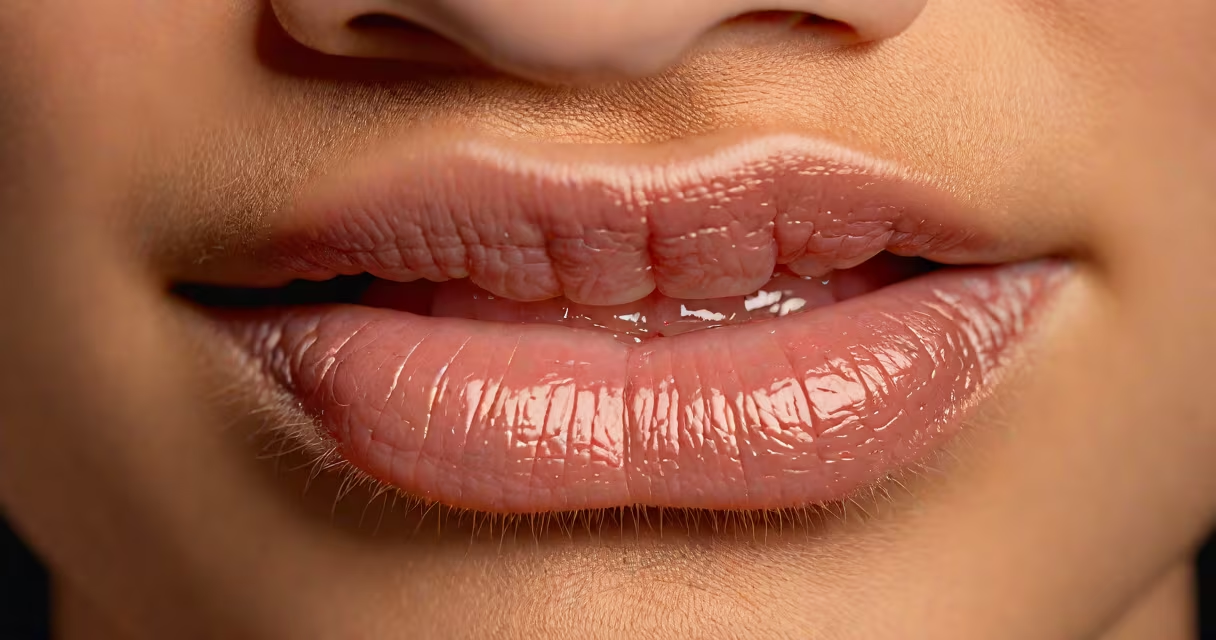
Dryness around the edges of the lips-commonly called angular cheilitis-is caused by a breakdown in the skin barrier due to moisture loss, irritation, or infection. It appears as flaky, cracked, or inflamed skin at the corners of the mouth.
This condition differs from dryness on the central lip surface. The edges are more vulnerable because they fold inward during facial movements, trapping saliva and creating a moist environment ripe for fungal or bacterial growth. The area also lacks sebaceous glands, making it less able to retain moisture naturally.
According to the American Academy of Dermatology, 1 in 6 adults experiences recurrent angular cheilitis. It's not just a cosmetic issue-it can cause pain when eating, speaking, or smiling. Left untreated, cracks deepen and may bleed.
The skin at the corners of the mouth is thinner and more sensitive than the rest of the face. It's exposed to constant micro-movements-opening the mouth, chewing, talking-and often gets wet from saliva. Over time, repeated wetting and drying leads to fissures.
When the outer layer of skin becomes compromised, it loses its ability to hold water. This triggers inflammation and makes the area prone to infection. A 2021 study in the Journal of Clinical and Aesthetic Dermatology found that 70% of patients with persistent corner dryness had signs of Candida albicans or Staphylococcus aureus in swabs taken from the affected area.
Environmental factors play a major role. Cold weather, low humidity, and indoor heating reduce ambient moisture. These conditions accelerate evaporation from the skin surface. For example, winter air in northern U.S. cities averages 20-30% relative humidity-well below the 40% threshold needed to maintain healthy skin hydration.
Several distinct patterns explain why dryness develops at the edges:
| Type | Primary Cause | Signs | Prevalence |
|---|---|---|---|
| Dehydration-related | Low fluid intake, high heat | Flaking, tightness, mild redness | Most common in adults over 40 |
| Fungal (Candida) | Moisture buildup, weakened immunity | Red, shiny cracks; sometimes pus | Higher in diabetics and denture wearers |
| Bacterial (Staphylococcus) | Scratching, poor hygiene | Crusting, oozing, painful swelling | More frequent in children and elderly |
| Nutritional deficiency | Lack of B vitamins, iron | Chronic cracking, pale mucous membranes | Linked to anemia and malnutrition |
One non-obvious factor: lip licking. People often think it moisturizes, but saliva contains enzymes that break down proteins in the skin. Repeated licking creates a cycle of wetting and drying that worsens fissures. A 2019 clinical review in *Dermatologic Clinics* noted that 45% of patients with chronic angular cheilitis reported habitual lip licking as a daily behavior.
I've seen this firsthand while working in a dermatology clinic. A 32-year-old patient came in with deep cracks at both corners. She'd been using a lip balm with menthol and peppermint oil-ingredients that can irritate already damaged skin. After switching to a plain petroleum-based ointment and avoiding licking, her symptoms resolved in five days.
Many assume dry edges are simply "chapped lips." But persistent dryness that doesn't improve with basic care may signal an underlying issue. Red flags include:
If you have dentures, especially ill-fitting ones, the space between the lower jaw and upper lip can trap moisture. This creates a breeding ground for fungi. The Mayo Clinic reports that up to 30% of older adults with dentures develop angular cheilitis due to this mechanical and microbial interaction.
Iron deficiency and vitamin B12 deficiency are also linked. A 2020 study in *Nutrients* showed that individuals with low serum ferritin levels were twice as likely to develop recurrent angular cheilitis compared to those with normal levels. Testing for deficiencies is recommended if dryness returns after treatment.
Start with barrier repair. Apply a thick, fragrance-free ointment like petroleum jelly or a ceramide-based cream at least twice daily. Avoid products with alcohol, mint, or essential oils-they can sting and delay healing.
For suspected fungal infection, use an over-the-counter antifungal cream containing clotrimazole. Apply it twice daily for seven days. If no improvement occurs, see a doctor-oral antifungals may be needed.
For bacterial cases, a topical antibiotic like mupirocin is effective. Use only as directed. Overuse leads to resistance. Always wash hands before touching the area.
Prevention includes staying hydrated-aim for 8 cups of water daily-and using a humidifier in dry environments. If you wear dentures, clean them nightly and ensure they fit properly. A dentist can adjust them to reduce pressure points.
Recurrent dryness at the lip edges is rarely harmless. It signals a breakdown in skin integrity that invites infection and discomfort. Addressing the root cause-whether hydration, infection, or nutrition-leads to lasting relief.