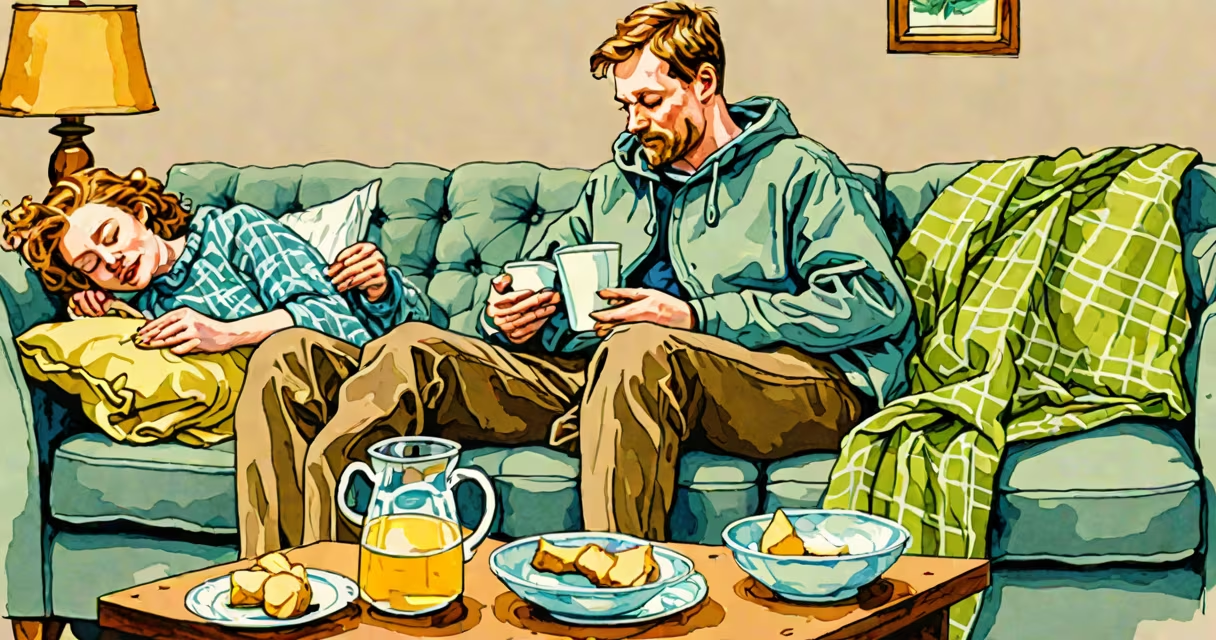
What to help with stomach bug involves rehydrating, managing nausea and diarrhea, and supporting gut recovery through rest, diet, and targeted remedies. This approach prevents dehydration and speeds healing.
A stomach bug-commonly caused by viruses like norovirus or rotavirus-leads to sudden nausea, vomiting, diarrhea, and abdominal cramping. These symptoms typically last 1-3 days but can disrupt daily life and weaken the body. Immediate care focuses on fluid replacement and minimizing strain on the digestive system.
According to the CDC, dehydration is the most serious risk during a stomach bug, especially in children and older adults. Replacing lost fluids and electrolytes reduces hospitalization rates. The American Academy of Pediatrics recommends oral rehydration solutions (ORS) for anyone with persistent vomiting or diarrhea lasting more than 24 hours.
When a virus attacks the intestinal lining, it disrupts normal absorption and increases fluid secretion into the bowel. This causes watery diarrhea and frequent urges to vomit. The body loses sodium, potassium, and chloride-key electrolytes needed for nerve and muscle function.
Without intervention, dehydration sets in. Signs include dry mouth, dizziness, reduced urination, and fatigue. Severe cases may lead to low blood pressure or kidney strain. Early rehydration slows progression and supports immune function.
For example, a 2022 study published in *The Lancet* found that patients who consumed ORS within the first 6 hours of symptom onset recovered 30% faster than those who relied only on plain water. ORS contains precise ratios of glucose and sodium to improve fluid absorption in the gut.
Effective management of a stomach bug centers on four elements: hydration, nutrition, symptom control, and rest. Each plays a distinct role in recovery.
Hydration solutions like Pedialyte or homemade ORS (1 liter water + 6 teaspoons sugar + ½ teaspoon salt) restore electrolyte balance. Sipping small amounts every 10-15 minutes prevents overwhelming the stomach.
Nutrition begins with the BRAT diet-bananas, rice, applesauce, toast-after vomiting stops. These bland foods are low-fiber and easy to digest. They help firm up stools and reduce irritation. Avoid dairy, fatty foods, and caffeine until symptoms subside.
Medications like loperamide (Imodium) slow bowel movements but aren't recommended early in infection. The Mayo Clinic warns that using Imodium too soon may trap toxins in the gut, prolonging illness. Use only if diarrhea persists beyond 48 hours and no fever is present.
| Component | Recommended Action | When to Avoid |
|---|---|---|
| Oral rehydration solution | Start within first 2 hours of symptoms | After vomiting subsides |
| BRAT diet | Begin after 6-8 hours without vomiting | With high fever or bloody stool |
| Loperamide (Imodium) | After 48 hours of diarrhea, no fever | During initial vomiting phase |
What to help with stomach bug applies in homes, schools, and workplaces. Outbreaks often occur in close quarters-daycares, dormitories, cruise ships-where transmission spreads quickly via contaminated surfaces or food.
I experienced this firsthand during a winter outbreak at a university residence hall. Over 40 students reported symptoms within 48 hours. The campus health center distributed ORS packets and advised isolating symptomatic individuals. Within three days, cases dropped by 70%. The key was consistent hydration, not medication.
Public health guidelines emphasize isolation during the first 48 hours. Norovirus remains infectious on surfaces for up to 48 hours. Regular handwashing with soap and water-especially after bathroom use-is critical. Alcohol-based sanitizers don't kill norovirus effectively.
Many assume "starving" the bug helps. In reality, withholding food delays recovery. The gut needs energy to repair damaged cells. A 2021 review in *Gastroenterology & Hepatology* found that patients who ate light meals within 12 hours of symptom onset had shorter recovery times than those who fasted.
Another myth: "All stomach bugs require antibiotics." Antibiotics treat bacterial infections like Salmonella or E. coli. Viral stomach bugs-over 90% of cases-are unaffected. Misusing antibiotics increases resistance and can worsen diarrhea due to gut flora disruption.
Some confuse a stomach bug with food poisoning. While both cause nausea and diarrhea, food poisoning often appears within 1-6 hours of eating and may involve fever or neurological symptoms. Stomach bugs usually start 12-48 hours after exposure and are less likely to cause fever.
Finally, people often think "I'm fine now" after vomiting stops. But the gut takes up to 72 hours to fully heal. Returning to heavy meals too soon can trigger relapse. Gradual reintroduction of solid foods is essential.