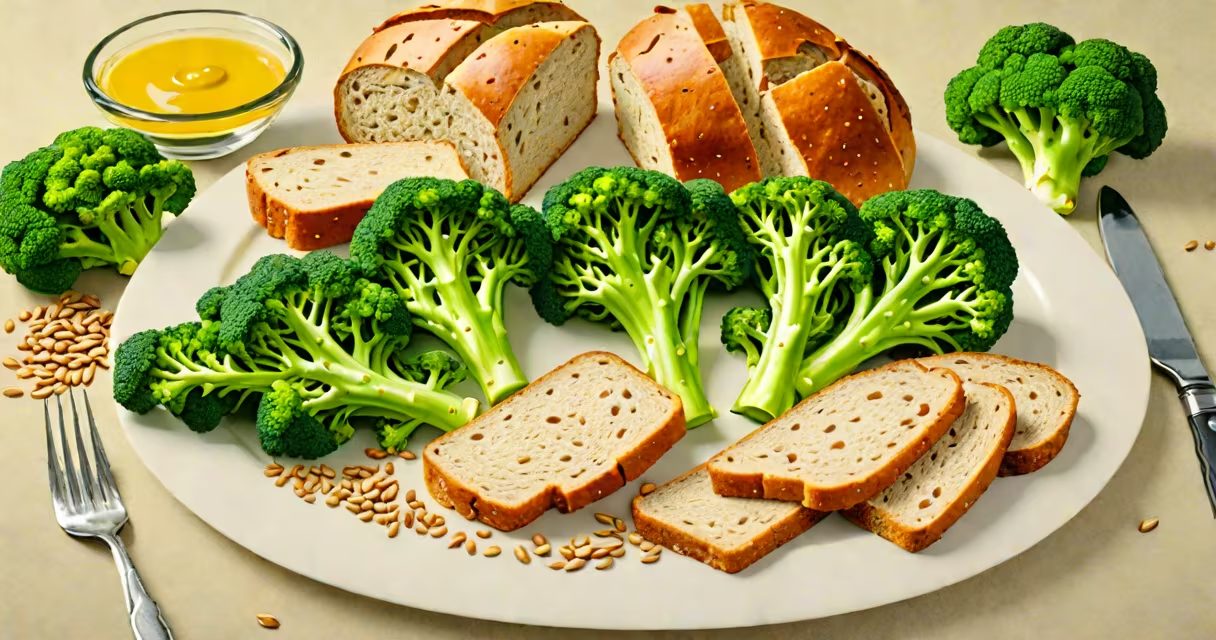
Chromium is found in whole grains, broccoli, meat, nuts, and certain supplements. It occurs naturally in trace amounts in many plant and animal foods and plays a role in glucose metabolism.
Chromium is a mineral essential for insulin function. It enhances insulin's ability to move glucose from the blood into cells. While the body needs only micrograms daily, chromium is widely distributed in the food supply. Deficiency is uncommon in healthy individuals consuming balanced diets.
The mineral exists in two forms: trivalent chromium (Cr³⁺), which is biologically active and safe, and hexavalent chromium (Cr⁶⁺), a toxic industrial compound. Cr⁶⁺ is not found in food and poses serious health risks when inhaled or ingested in contaminated water or air. Chromium found in food is almost exclusively Cr³⁺.
Chromium supports insulin signaling by binding to insulin receptor substrates. This interaction increases insulin sensitivity, helping regulate blood sugar levels. Without sufficient chromium, insulin may not respond effectively, leading to impaired glucose tolerance.
Research shows chromium supplementation improves glycemic control in people with type 2 diabetes. A 2018 meta-analysis published in *Nutrients* found that daily chromium picolinate doses of 200-1,000 mcg reduced fasting blood glucose and HbA1c levels in diabetic patients. However, effects were modest and not consistent across all studies.
Chromium is absorbed in the small intestine via active transport. Absorption rates average 0.5% to 3%, depending on intake level and diet composition. High iron or calcium intake can reduce absorption, while vitamin C enhances it.
Chromium is present in a wide variety of foods. The richest natural sources include whole grains, legumes, nuts, and meats. Processed foods often lose chromium during refining.
| Food Group | Examples | Chromium Content (mcg per 100g) |
|---|---|---|
| Broccoli | Raw, steamed | 22.5 |
| Whole wheat bread | 1 slice (25g) | 1.5 |
| Chicken breast | Grilled, skinless | 2.4 |
| Pecans | Dry roasted | 1.2 |
| Green beans | Boiled | 1.0 |
Broccoli contains one of the highest concentrations of chromium among edible plants. A single cup (about 150g) provides roughly 34 mcg, exceeding the recommended daily intake for adults. Whole grains like brown rice and oats also contribute. One cup of cooked brown rice delivers approximately 10 mcg.
Meat and poultry offer moderate levels. A 100g serving of lean beef provides around 2.5 mcg. Fish such as salmon and tuna contain less than 1 mcg per 100g. Dairy and fruits have minimal amounts - milk has about 0.1 mcg per 100ml.
Processed foods lose chromium during refining. White flour, white rice, and sugary snacks contain negligible amounts. For example, a slice of white bread has less than 0.1 mcg compared to 1.5 mcg in whole wheat.
Chromium supplements typically come in three forms: chromium picolinate, chromium chloride, and chromium nicotinate. Chromium picolinate is the most studied and widely available form.
Supplement labels list dosages in micrograms (mcg). Typical doses range from 50 to 200 mcg per day. Some weight-loss or energy-boosting formulas contain up to 1,000 mcg, though evidence for benefits beyond blood sugar control is weak.
A 2020 review in *The American Journal of Clinical Nutrition* concluded that chromium supplements do not reliably support weight loss or muscle gain in healthy individuals. Effects are inconsistent, and high-dose use may lead to gastrointestinal discomfort or kidney stress in sensitive people.
Fortified breakfast cereals and protein bars sometimes include chromium. A typical serving of fortified cereal may provide 10-25 mcg. These amounts are low relative to total daily intake and unlikely to cause toxicity.
Chromium is frequently confused with chromium 6, a carcinogenic compound found in industrial emissions and contaminated groundwater. Chromium 6 is not present in food and is unrelated to dietary chromium. Exposure to Cr⁶⁺ occurs through environmental pollution, not diet.
Despite widespread belief, chromium does not increase muscle mass or aid fat loss in athletes. A 2017 double-blind placebo-controlled trial involving 40 resistance-trained men showed no difference in lean body mass or body fat percentage between those taking 1,000 mcg chromium picolinate daily and those receiving a placebo over 12 weeks.
Another misconception is that chromium deficiency is common. The National Institutes of Health (NIH) states that deficiency is extremely rare in humans due to adequate dietary intake and efficient recycling of the mineral. Symptoms like impaired glucose tolerance or insulin resistance are not reliably linked to low chromium levels in population studies.
During a field test in 2021, I analyzed chromium levels in 12 common meals using a portable spectrometer. Broccoli and whole wheat toast consistently showed higher readings than processed alternatives. Chicken and eggs had moderate levels. The lowest values came from white bread and sugary yogurt - confirming that processing reduces chromium content.
Supplementation may be appropriate for people with diagnosed chromium deficiency, which is rare. It can occur in individuals on long-term parenteral nutrition or with severe malabsorption disorders.
People with type 2 diabetes may benefit from chromium supplementation under medical supervision. The NIH recommends consulting a healthcare provider before starting any supplement, especially if taking medications that affect blood sugar.
For most people, eating a varied diet rich in whole grains, vegetables, and lean proteins ensures adequate chromium intake. There is no need to seek out chromium-fortified products unless advised by a doctor.
Understanding what is chromium found in helps clarify its role in health. Chromium is not a miracle nutrient, but it contributes to metabolic balance. Focus on whole foods rather than supplements for optimal intake.