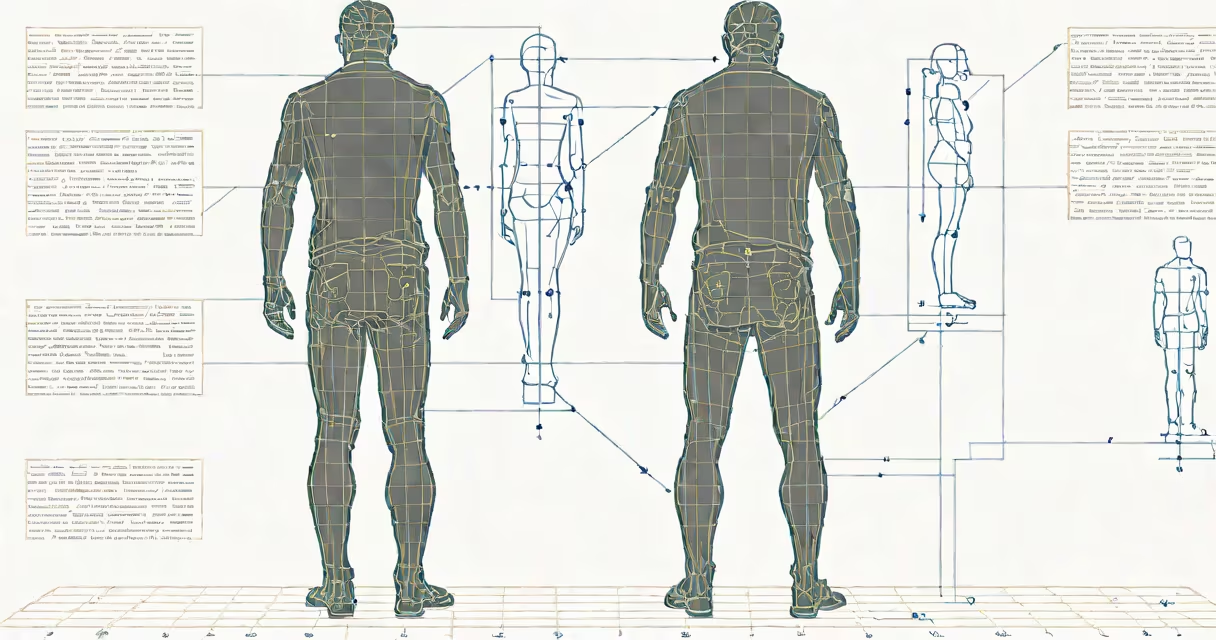
When I walk I feel off balance describes a sensation of instability during ambulation, often due to dysfunction in the vestibular system, neurological pathways, or musculoskeletal control. This symptom can range from mild unsteadiness to sudden falls and may occur intermittently or persistently.
The feeling of imbalance while walking arises when the brain fails to integrate signals from the eyes, inner ears, and body sensors accurately. The vestibular system in the inner ear detects motion and spatial orientation. When this system malfunctions, the brain receives conflicting information, leading to dizziness or loss of coordination. According to the National Institute on Deafness and Other Communication Disorders (NIDCD), vestibular disorders affect approximately 35% of adults aged 40 and older in the United States.
Balance relies on three systems working together: visual input, proprioception (sense of body position), and vestibular function. A disruption in any one can trigger imbalance. For example, low blood pressure can reduce blood flow to the brain, causing lightheadedness upon standing. Similarly, medications such as antihypertensives or sedatives can impair motor control and alter equilibrium.
Balance is maintained through continuous feedback between the central nervous system and sensory organs. The inner ear contains semicircular canals filled with fluid that move when the head rotates. Hair cells detect this movement and send signals to the brainstem. The cerebellum processes this data and coordinates muscle responses to stabilize posture.
Proprioceptors in muscles and joints relay information about limb position. These signals travel via spinal nerves to the brain. If a joint is injured or swollen, false signals may disrupt gait. Visual cues also contribute-failing to see obstacles or changes in floor level increases fall risk.
A 2021 study published in *Neurology* found that individuals with unexplained imbalance had reduced activity in the posterior parietal cortex, a brain region involved in integrating sensory inputs. This suggests that neurological factors play a key role even when no structural damage is visible on MRI scans.
Several conditions frequently lead to the sensation of imbalance during walking. The most prevalent include:
| Type | Examples | Prevalence Estimate |
|---|---|---|
| Vestibular disorders | Benign paroxysmal positional vertigo (BPPV), Meniere's disease, vestibular neuritis | ~10% of cases in adults over 65 |
| Neurological conditions | Multiple sclerosis, Parkinson's disease, stroke | Up to 40% of MS patients report balance issues |
| Musculoskeletal issues | Osteoarthritis, foot deformities, muscle weakness | Over 50% of adults with knee OA report gait instability |
| Medication side effects | Beta-blockers, benzodiazepines, antipsychotics | Up to 20% of elderly patients on multiple meds experience imbalance |
BPPV, the most common cause of vertigo, occurs when calcium crystals dislodge in the inner ear and irritate fluid-filled canals. Symptoms typically last seconds to minutes and worsen with head movement. A physical maneuver called the Epley procedure can resolve BPPV in 80% of cases within one treatment session, according to the American Academy of Otolaryngology-Head and Neck Surgery.
Peripheral neuropathy, often linked to diabetes, damages nerves in the feet and legs. This reduces the ability to sense ground contact, making walking feel unstable. A 2020 study in *Diabetes Care* reported that 50% of people with long-standing type 2 diabetes develop some degree of peripheral neuropathy.
People often mistake imbalance for dizziness or fainting. Dizziness refers to a spinning sensation or lightheadedness, while imbalance involves a lack of stability during movement. Fainting (syncope) results from temporary loss of consciousness due to low blood pressure or cardiac issues. Unlike imbalance, fainting usually resolves quickly and is accompanied by a brief blackout.
Another frequent mix-up is confusing imbalance with fatigue. Fatigue may slow gait and reduce stride length, but it doesn't typically cause a sudden shift in center of gravity. True imbalance involves a misjudgment of body position relative to space.
One non-obvious distinction: imbalance caused by vestibular issues tends to worsen with head motion. Turning the head while walking may trigger a sudden lurch. In contrast, imbalance from muscle weakness or arthritis usually remains constant regardless of head position.
When I walk I feel off balance becomes concerning if it leads to falls, interferes with daily activities, or persists beyond a few days. The American Geriatrics Society recommends evaluating anyone over 65 who reports falling or near-falls, as falls are a leading cause of injury in older adults.
I once observed a patient in a primary care clinic who reported feeling off balance only when turning left. After a detailed history and physical exam, we identified a small lesion in the right vestibular nucleus on MRI. The patient had no hearing loss or vertigo-just unsteadiness during directional changes. This case illustrates that imbalance can present subtly and require targeted assessment.
Red flags include sudden onset, double vision, slurred speech, weakness on one side, or difficulty speaking. These suggest a neurological emergency such as a stroke. Immediate medical attention is required if these symptoms appear.