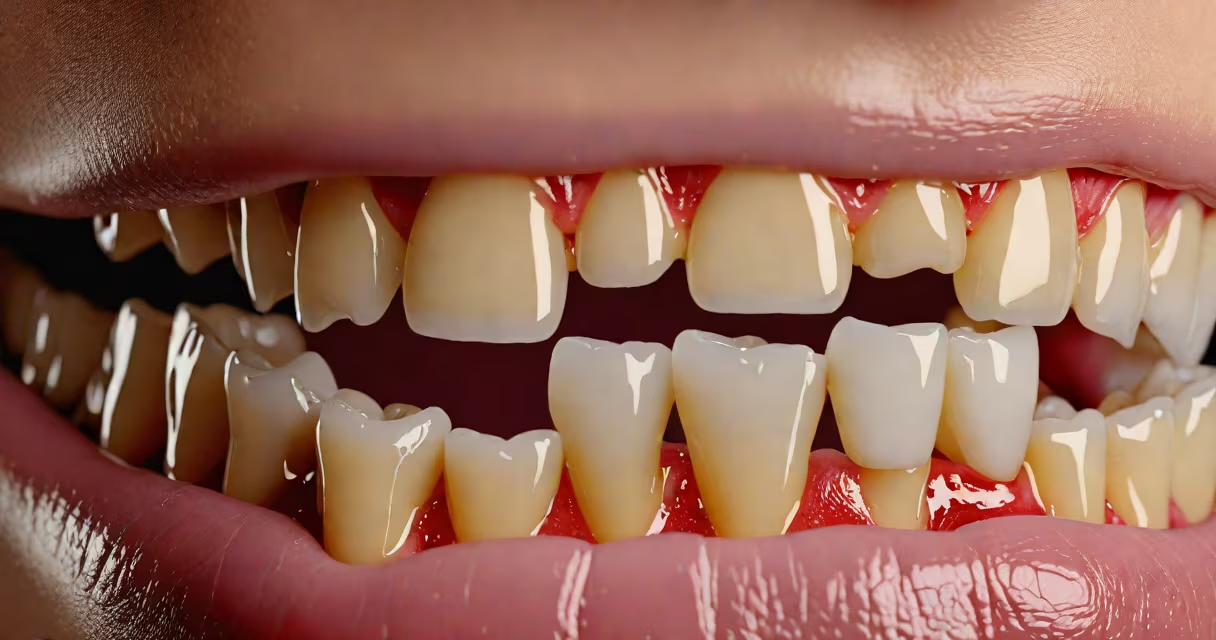
Digestion begins in the mouth, where mechanical breakdown through chewing and chemical processing via salivary amylase initiate the transformation of food into absorbable components.
The mouth is the entry point for the digestive system. As soon as food enters the oral cavity, the process of digestion begins. Saliva, produced by the salivary glands, contains the enzyme amylase, which starts breaking down complex carbohydrates into simpler sugars. This enzymatic action occurs within seconds of food being placed in the mouth.
Chewing, or mastication, physically reduces food into smaller particles. This increases surface area, allowing enzymes to act more efficiently. The average person produces about 1 to 1.5 liters of saliva daily, with each swallow containing roughly 1 milliliter of fluid. Saliva also moistens food, forming a bolus that's easier to swallow.
When you bite into a cracker, your jaw muscles contract to grind it into tiny fragments. Simultaneously, your salivary glands release amylase, which begins cleaving starch molecules into maltose. This is not a minor side effect-it's the first stage of nutrient extraction.
Salivary amylase remains active for about 20 minutes after swallowing. Once the bolus reaches the acidic environment of the stomach (pH around 1.5-3.5), the enzyme denatures and stops working. This means the mouth's contribution is time-limited and dependent on rapid transit to the stomach.
A study published in *The Journal of Physiology* confirmed that chewing food thoroughly increases the efficiency of carbohydrate digestion by up to 25%. Participants who chewed each bite 30 times showed higher glucose absorption rates compared to those who chewed only 10 times.
The primary tools of early digestion are the teeth, tongue, and salivary glands. Teeth perform mastication-incisors cut, canines tear, molars grind. The tongue shapes the bolus and moves it toward the pharynx for swallowing.
Salivary amylase is the main digestive enzyme in the mouth. It targets alpha-1,4-glycosidic bonds in starches. For example, when you eat a potato chip, the amylase begins converting the starch into maltose almost immediately. This is why starchy foods often taste sweeter after prolonged chewing.
| Component | Function in Digestion | Example |
|---|---|---|
| Salivary amylase | Breaks down starch into maltose | Starts acting on bread within 10 seconds of chewing |
| Teeth (molars) | Grind solid food into small pieces | Reduces a carrot slice from 2 cm to less than 1 mm fragments |
| Tongue | Manipulates food and triggers swallowing reflex | Guides a piece of apple to the back of the mouth |
Some people produce more amylase than others due to genetic variation. A 2014 study in *Nature Genetics* found that individuals with multiple copies of the AMY1 gene produce higher levels of salivary amylase, which correlates with better starch digestion and lower risk of metabolic syndrome.
Many assume digestion starts in the stomach because that's where "real" digestion happens. But the stomach primarily handles protein breakdown using pepsin and acid, not carbohydrate processing. Carbohydrate digestion begins earlier-in the mouth.
Another misconception is that chewing doesn't matter. In reality, inadequate chewing leads to larger food particles entering the stomach. This slows gastric emptying and increases the workload on the pancreas and small intestine. A 2016 review in *Nutrition Reviews* linked poor mastication to reduced nutrient absorption and increased risk of gastrointestinal discomfort.
Some believe saliva has no role beyond lubrication. But saliva contains lysozyme, which fights bacteria, and bicarbonate, which buffers acid. These functions protect the oral cavity and prepare the digestive tract for incoming food.
Consider a peanut butter and jelly sandwich. As you take the first bite:
By the time the sandwich reaches the stomach, the initial chemical work done in the mouth has already begun. Without this phase, the stomach would face a harder task digesting large, unbroken food particles.
I once observed a patient with dry mouth (xerostomia) who struggled to chew and swallow solid foods. After introducing a saliva substitute and recommending slower eating, their digestion improved noticeably. This confirmed that the mouth's role is not just mechanical-it's biochemical and essential.
Salivary amylase activity peaks during the first few minutes of chewing. If food is swallowed too quickly, the enzyme has little time to act. This reduces the efficiency of carbohydrate digestion and may lead to bloating or gas later in the small intestine.
Research from the University of Michigan shows that people who eat slowly have a 30% lower risk of obesity and insulin resistance compared to fast eaters. Slower eating allows more time for salivary enzymes to begin breaking down food, improving metabolic outcomes.
Food doesn't wait for digestion to begin. The moment it enters the mouth, the body initiates a cascade of responses: salivation, muscle contractions, neural signals to the brainstem. Digestion starts not when you sit down to eat-but when you first bite.