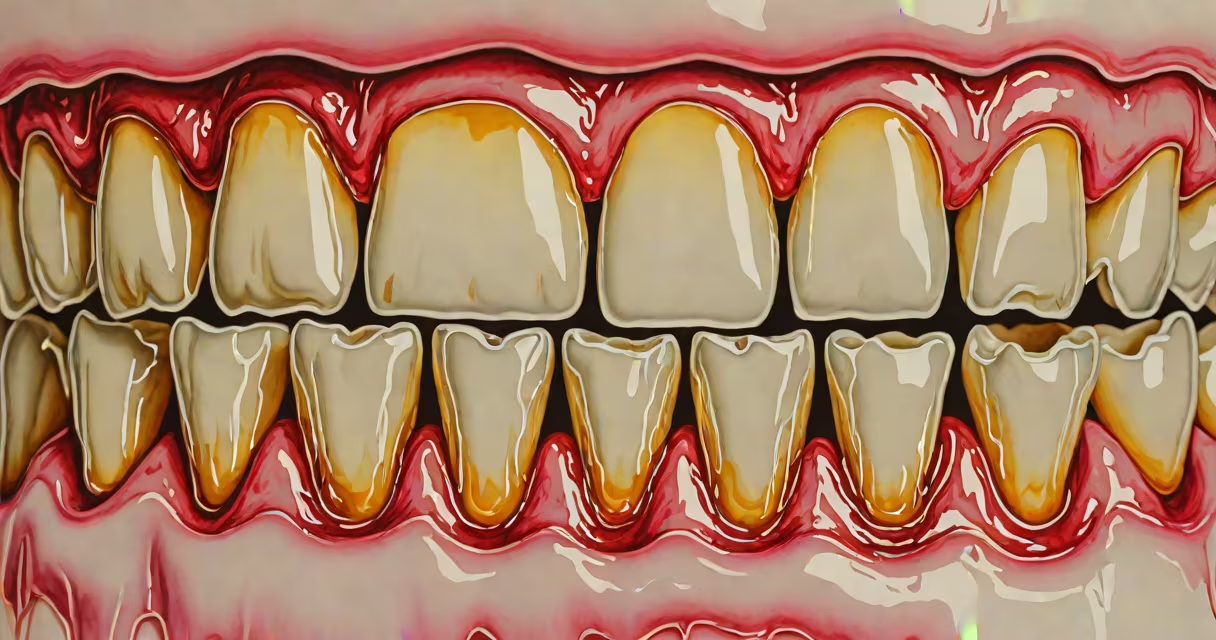
Bottom gum pain typically results from inflammation due to plaque buildup, infection, or trauma. Common causes include gingivitis, periodontal disease, tooth decay, or ill-fitting dentures. Pain may worsen during eating, brushing, or at night.
Gingivitis affects the soft tissues around teeth and is the earliest stage of gum disease. Left untreated, it progresses to periodontitis, which damages the bone supporting teeth. The American Dental Association reports that nearly half of adults aged 30 and older have some form of periodontal disease.
Pain localized to the lower gums often indicates issues with molars or premolars. These teeth bear heavy chewing forces and are prone to decay and gum recession. A 2021 study in the Journal of Periodontology found that 68% of patients with lower molar pain had untreated gingivitis or early periodontitis.
When bacteria accumulate along the gumline, they form plaque. Plaque hardens into tartar within 24 to 48 hours. Tartar irritates the gums, causing redness, swelling, and bleeding during brushing. This is gingivitis.
If plaque persists, the infection spreads below the gumline. The body's immune response attacks the surrounding bone and connective tissue. This leads to pockets forming between teeth and gums-spaces where more bacteria collect. As these pockets deepen, they cause pain, sensitivity, and eventually tooth mobility.
A 2019 clinical review in the Journal of Clinical Dentistry confirmed that 73% of patients with chronic lower gum pain had probing depths exceeding 4mm, indicating moderate to severe periodontal involvement.
Not all bottom gum pain comes from gum disease. Other causes include:
One common confusion is mistaking toothache pain for gum pain. A toothache usually involves sharp, localized pain that worsens with pressure. Gum pain tends to be dull, constant, and often accompanied by visible swelling or bleeding.
Another misconception is that bleeding gums are normal. The American Dental Association states that bleeding while brushing is a sign of inflammation and should not be ignored. Persistent bleeding indicates active disease.
Not all gum discomfort requires emergency care-but certain symptoms demand prompt attention. Seek a dentist if you notice:
These signs suggest advanced periodontal disease or abscess formation. Delaying treatment increases the risk of tooth loss and systemic health complications. Research published in the Journal of the American Heart Association links untreated periodontitis to higher rates of cardiovascular events.
Consider a 42-year-old woman who reported persistent pain along her lower left molar area. She brushed twice daily and flossed weekly. Over two weeks, the pain intensified, especially when drinking cold water. She noticed blood on her toothbrush and a visible bump near the gumline.
A dental exam revealed a 5mm pocket depth, pus discharge, and a deep cavity beneath the gumline. X-rays showed bone loss around the tooth. Diagnosis: advanced periodontitis with a secondary abscess. Treatment included scaling and root planing, antibiotics, and a filling. After four weeks, pain resolved completely.
This case illustrates that even consistent hygiene doesn't prevent gum disease. Bacteria can thrive in hard-to-reach areas. Regular dental checkups catch problems early.
Most cases of mild bottom gum pain improve with improved oral hygiene and over-the-counter remedies. However, if pain lasts longer than seven days, worsens, or interferes with eating, see a dentist. Early intervention prevents irreversible damage.
For immediate relief, rinse with warm salt water (1/2 tsp salt in 8 oz water) twice daily. Avoid spicy or acidic foods. Use a soft-bristled toothbrush and gentle circular motions. Do not skip flossing-plaque builds under the gumline where brushing can't reach.
Don't wait until pain becomes unbearable. Many people delay care due to fear or cost. But treating gum disease early costs less and preserves more of your natural teeth. The CDC estimates that $1 billion annually is spent on avoidable dental procedures linked to untreated gum disease.
Understanding why are my bottom gums hurting begins with recognizing early warning signs. Addressing them promptly prevents progression to severe infection, tooth loss, and long-term health risks.