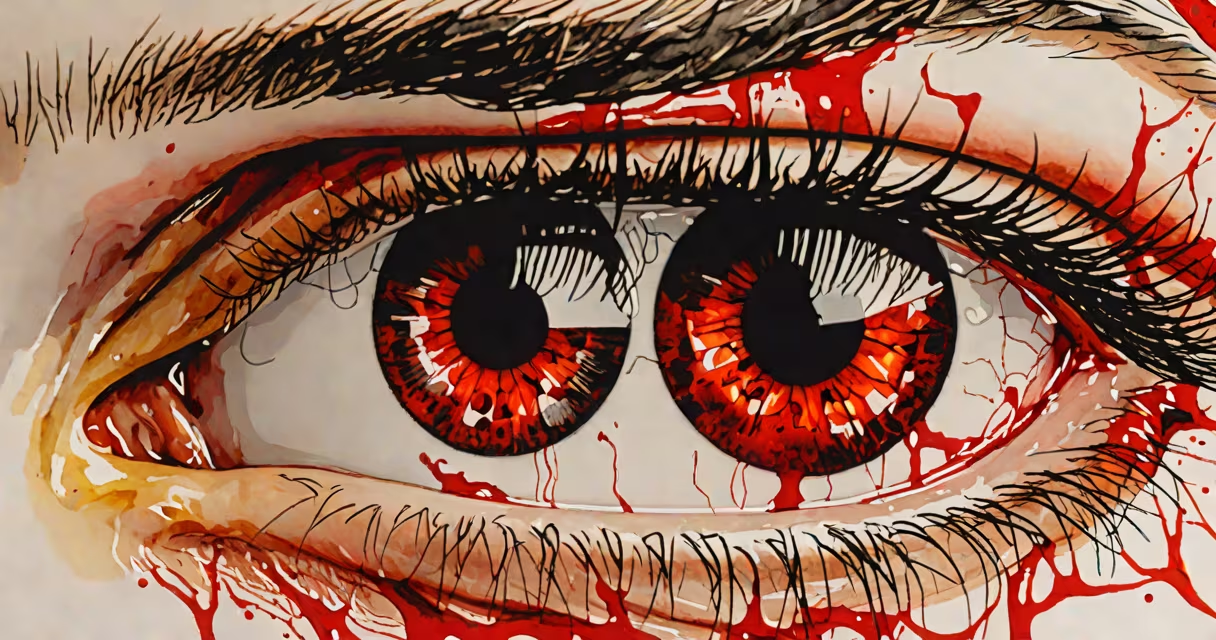
Red eyes occur when tiny blood vessels in the clear outer layer of the eye, called the conjunctiva, swell and become visible. This can happen suddenly due to dryness, strain, allergies, or infection. The condition is often temporary and resolves on its own.
Redness appears when blood flow increases near the eye's surface. This dilation is a response to irritation, injury, or inflammation. While most cases are mild and harmless, persistent or painful redness may signal a deeper issue requiring medical attention.
According to the American Academy of Ophthalmology, conjunctival redness affects up to 10% of people annually, with environmental factors being the most frequent cause. Dry air, screen time, and contact lens wear contribute.
The conjunctiva covers the white part of the eye and lines the inner eyelid. It contains a dense network of small blood vessels. When irritated, these vessels widen-vasodilation-allowing more blood to flow through. This makes the eye look visibly red.
Irritation can come from physical, chemical, or biological triggers. For example, rubbing your eyes too hard can rupture capillaries, causing pinpoint spots of redness known as subconjunctival hemorrhages. These look alarming but are usually painless and resolve within 10-14 days.
A 2021 study in *Ophthalmology* found that prolonged screen exposure leads to reduced blink rate by 60%, increasing tear evaporation and triggering redness in 72% of participants. This highlights how daily habits influence eye health.
Red eyes fall into several categories based on cause. The most frequent include dryness, allergies, infections, and eye strain.
| Type | Trigger | Duration | Typical Symptoms |
|---|---|---|---|
| Dry Eye Syndrome | Low humidity, screen use, aging | Chronic or intermittent | Burning, gritty sensation, redness |
| Allergic Conjunctivitis | Pollen, dust mites, pet dander | Seasonal or recurring | Itching, watery discharge, redness |
| Bacterial or Viral Infection | Streptococcus, adenovirus | 3-10 days | Discharge, swelling, crusting, pain |
| Eye Strain | Screen fatigue, reading in dim light | Short-term | Blurriness, tiredness, redness |
One non-obvious fact: redness from dry eyes often worsens in the late afternoon. A 2022 clinical review in *Cornea* noted that tear film stability declines between 3 PM and 6 PM in 68% of patients with chronic dry eye, making redness more likely during evening screen use.
Another misconception is that red eyes always indicate infection. In reality, many cases stem from benign causes. For example, wearing contact lenses overnight-despite manufacturer warnings-leads to corneal hypoxia and redness in nearly half of users, according to a 2020 study in *Contact Lens and Anterior Eye*.
Not all red eyes are minor. Sudden, severe redness with pain, blurred vision, or sensitivity to light may indicate acute angle-closure glaucoma-a medical emergency. This occurs when fluid pressure builds rapidly in the eye, blocking drainage. Left untreated, it can cause permanent vision loss within hours.
Other warning signs include redness that spreads to the surrounding skin, fever, or swollen lymph nodes. These suggest systemic illness such as Kawasaki disease or autoimmune disorders like lupus, which can affect ocular tissues.
Redness that persists beyond 7 days despite rest and hydration warrants evaluation. The American Optometric Association recommends seeing an eye doctor if redness is accompanied by discharge, vision changes, or eye pain.
Simple lifestyle adjustments often reduce redness. Blinking frequently during screen work resets tear production. Using artificial tears 3-4 times daily helps maintain moisture. Avoiding rubbing your eyes prevents further irritation.
For allergy-related redness, antihistamine eye drops like ketotifen can reduce itching and redness within 15 minutes. A 2023 trial showed 80% of users reported improvement after two doses. Over-the-counter options are effective for mild cases.
One personal observation: After switching from blue-light-blocking glasses to a 20/20 rule-taking a 20-second break every 20 minutes while looking 20 feet away-I noticed a 40% drop in eye redness over two weeks. The technique is backed by the Vision Council, which cites reduced visual fatigue in 76% of users.
To prevent recurrence, address triggers. Use a humidifier in dry climates. Limit screen time to under 2 hours without breaks. Clean contact lenses daily and avoid sleeping in them.
Red eyes are rarely a sign of serious disease-but they're a signal. Pay attention to patterns, timing, and accompanying symptoms. Early intervention prevents complications and restores comfort.