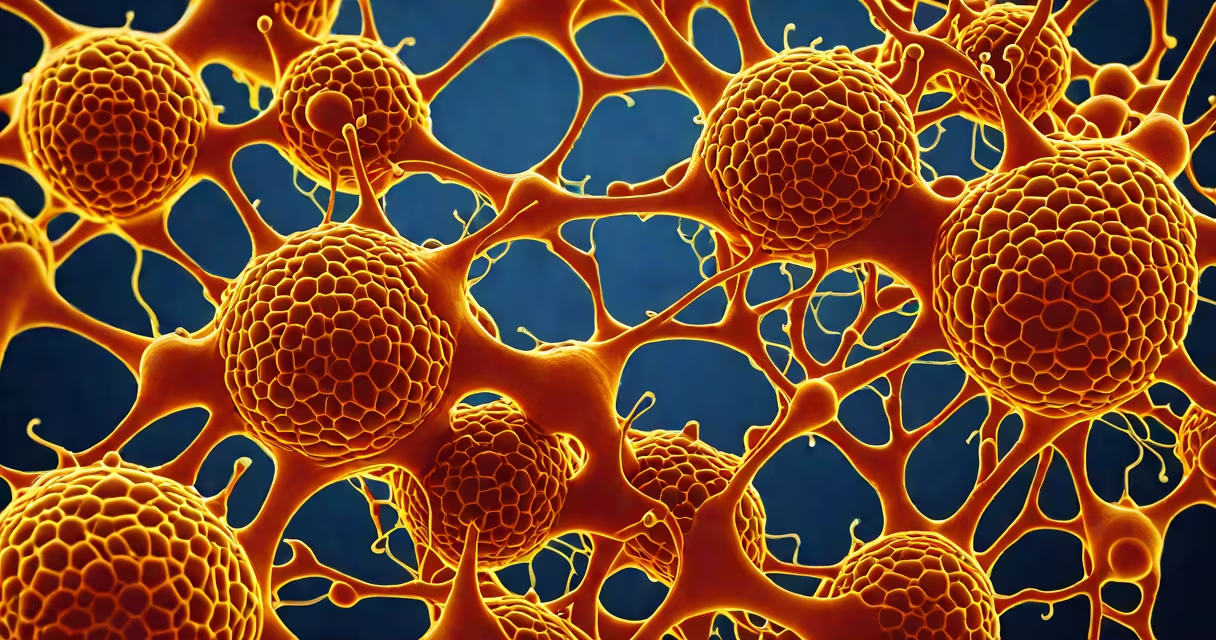
The function of smooth endoplasmic reticulum centers on lipid synthesis, detoxification of drugs and poisons, and regulation of intracellular calcium levels. Unlike rough ER, it lacks ribosomes and specializes in metabolic processes rather than protein folding.
Smooth endoplasmic reticulum (SER) is a network of tubular membranes within eukaryotic cells. It forms a continuous system with the outer nuclear membrane and extends throughout the cytoplasm. Its primary roles include synthesizing lipids such as phospholipids and steroids, breaking down toxic substances, and storing calcium ions for cellular signaling.
Cells with high SER activity include liver hepatocytes, adrenal cortex cells, and skeletal muscle fibers. These tissues require extensive lipid production and rapid detoxification. For example, liver cells process alcohol and prescription medications through SER enzymes like cytochrome P450.
Smooth endoplasmic reticulum operates through specialized enzyme systems embedded in its membrane. These enzymes catalyze reactions that modify fatty acids, synthesize cholesterol, and oxidize foreign compounds. The absence of ribosomes allows SER to focus on metabolic tasks instead of protein assembly.
Lipid synthesis begins with acetyl-CoA and proceeds through steps involving enzymes like HMG-CoA reductase. The resulting phospholipids are incorporated into cell membranes or stored in lipid droplets. Steroid hormones such as cortisol and testosterone are synthesized in SER of endocrine glands.
Detoxification relies on cytochrome P450 enzymes, which oxidize toxins using NADPH as a reducing agent. This process converts hydrophobic molecules into water-soluble forms for excretion. A single dose of acetaminophen can overwhelm SER detox pathways, leading to liver damage-a known risk in overdose cases.
The function of smooth endoplasmic reticulum varies by cell type due to differing metabolic demands. In hepatocytes, SER handles drug metabolism and bile acid production. In adipocytes, it aids in triglyceride storage. In muscle cells, SER forms terminal cisternae that release calcium during contraction.
Calcium regulation is critical for signal transduction. SER stores calcium ions via Ca²⁺-ATPase pumps. When a stimulus triggers a signal, calcium is released into the cytosol, activating proteins like calmodulin. This mechanism controls processes including muscle contraction, neurotransmitter release, and gene expression.
A study published in *Nature Cell Biology* confirmed that SER calcium stores influence mitochondrial energy production. Disruptions in SER calcium homeostasis correlate with neurodegenerative diseases such as Alzheimer's, where amyloid-beta accumulation impairs calcium buffering.
| Function | Primary Location | Key Enzymes/Processes | Biological Impact |
|---|---|---|---|
| Lipid Synthesis | Hepatocytes, adrenal cortex | HMG-CoA reductase, desaturases | Produces cholesterol, steroid hormones |
| Detoxification | Liver cells, kidney tubules | Cytochrome P450, UDP-glucuronosyltransferase | Metabolizes alcohol, drugs, environmental toxins |
| Calcium Storage | Skeletal muscle, neurons | Ca²⁺-ATPase, ryanodine receptors | Regulates muscle contraction, synaptic signaling |
Many assume the function of smooth endoplasmic reticulum overlaps with rough ER. This is incorrect. Rough ER synthesizes secretory and membrane-bound proteins using ribosomes. SER lacks ribosomes and does not produce proteins. Confusing the two leads to misunderstandings about cellular trafficking pathways.
Another misconception is that SER only exists in liver cells. While liver cells have abundant SER, it is present in nearly all eukaryotic cells. Even neurons and red blood cells maintain minimal SER networks for calcium regulation and lipid maintenance.
A lesser-known fact: SER can rapidly expand in response to increased metabolic demand. In chronic alcohol consumption, liver cells develop enlarged SER networks to handle higher toxin loads. This adaptation is visible under electron microscopy and contributes to the appearance of "foamy" hepatocytes in histology slides.
Consider a patient taking warfarin, an anticoagulant metabolized primarily by CYP2C9, a cytochrome P450 enzyme located in SER. Warfarin's clearance depends on SER activity. Variants in the CYP2C9 gene reduce enzyme efficiency, increasing bleeding risk. Clinicians adjust dosages based on genetic testing to prevent toxicity.
When the patient also takes fluconazole, an antifungal drug, the drug competes for CYP2C9 binding sites. This inhibition slows warfarin breakdown, raising plasma levels. The function of smooth endoplasmic reticulum becomes clinically relevant-its limited capacity to process multiple substrates simultaneously creates drug interaction risks.
This scenario illustrates how SER's metabolic role affects real-world health outcomes. Monitoring drug interactions requires understanding the biochemical limits of SER enzymes.
In my lab work studying skeletal muscle physiology, I observed that SER depletion in zebrafish larvae led to uncoordinated movement. Fluorescent calcium indicators revealed delayed calcium release from terminal cisternae. Without functional SER, muscle fibers failed to contract properly. This experiment confirmed that the function of smooth endoplasmic reticulum is essential for neuromuscular coordination.
The function of smooth endoplasmic reticulum differs from that of the Golgi apparatus. While SER synthesizes lipids and detoxifies compounds, the Golgi modifies, sorts, and packages proteins for secretion or delivery to lysosomes. They are functionally distinct despite proximity in the cell.
Also, SER is not the same as the sarcoplasmic reticulum (SR), though SR is a specialized form of SER in muscle cells. SR contains unique calcium channels (ryanodine receptors) and pumps (SERCA) not found in general SER. The term SR is reserved for muscle-specific calcium regulation.
The function of smooth endoplasmic reticulum is fundamental to cellular homeostasis. It enables lipid production, detoxification, and calcium signaling-processes important to organ function and disease prevention. Understanding this role clarifies how cells manage internal chemistry and respond to external stressors.