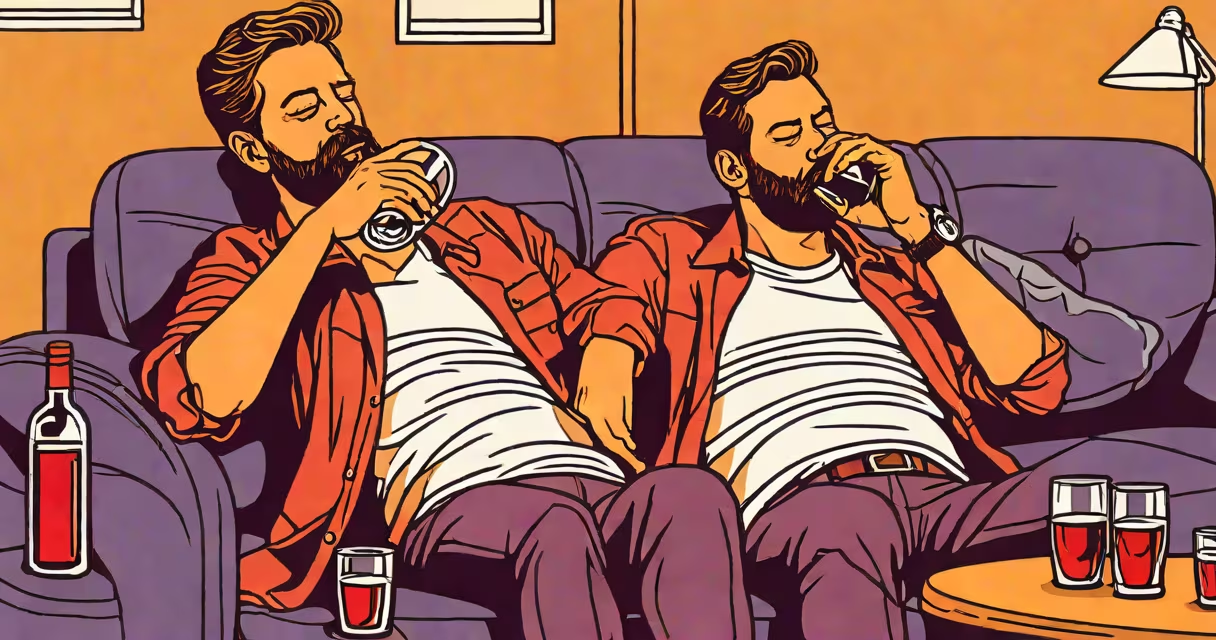
Alcohol causes sleepiness by suppressing activity in the central nervous system, particularly by enhancing the effects of gamma-aminobutyric acid (GABA), a neurotransmitter that reduces brain activity. This leads to drowsiness, slowed reaction times, and reduced alertness within minutes of consumption.
GABA is the brain's primary inhibitory neurotransmitter. Alcohol increases GABA's effectiveness at binding to receptors, which dampens neural signaling. This results in sedation, muscle relaxation, and impaired coordination. The effect is measurable: blood alcohol concentrations as low as 0.05% reduce cognitive performance and increase subjective feelings of tiredness.
Alcohol also interferes with the production of adenosine, a compound that builds up during wakefulness and promotes sleep. By increasing adenosine levels, alcohol accelerates the onset of sleep. However, this early sleep is often fragmented and less restorative than natural sleep cycles.
Alcohol disrupts normal sleep architecture. While it may help you fall asleep faster, it reduces time spent in rapid eye movement (REM) sleep-the stage most critical for memory consolidation and emotional regulation. Studies show that consuming alcohol before bed cuts REM sleep by up to 30%.
The suppression of REM sleep occurs because alcohol alters the function of the hypothalamus and brainstem regions responsible for regulating sleep-wake cycles. As blood alcohol levels peak around 30-60 minutes after drinking, GABAergic inhibition intensifies, leading to drowsiness. This phase typically lasts 1-2 hours, depending on body weight and alcohol concentration.
A 2018 study published in *Sleep Medicine Reviews* confirmed that even moderate alcohol intake (0.5 g/kg body weight) delays sleep onset latency and reduces slow-wave sleep duration. Participants reported feeling more tired the next morning despite sleeping longer, indicating poor sleep quality.
Different alcoholic beverages produce similar central nervous system effects, but absorption rates vary. Beer (typically 4-6% alcohol by volume) takes longer to reach peak blood alcohol concentration than spirits (40% ABV), which absorb rapidly due to higher ethanol content and lower volume.
| Beverage Type | Typical ABV | Onset of Drowsiness | Peak Effect Time |
|---|---|---|---|
| Beer (12 oz) | 4-6% | 30-45 min | 60-90 min |
| Wine (5 oz) | 12-15% | 20-35 min | 45-75 min |
| Spirits (1.5 oz) | 40% | 10-20 min | 30-60 min |
Carbonation in drinks like champagne or beer can accelerate gastric emptying, leading to faster alcohol absorption. This explains why sparkling wines induce drowsiness quicker than still wines, even at equal alcohol content.
Many people assume alcohol improves sleep quality. In reality, it degrades sleep architecture. The initial drowsiness masks underlying disruption. Users report waking frequently during the night and experiencing grogginess the next day-even after eight hours of sleep.
Another misconception is that alcohol helps with insomnia. The National Institute on Alcohol Abuse and Alcoholism (NIAAA) warns that while alcohol may shorten sleep latency, it worsens sleep efficiency and increases risk of sleep apnea due to relaxed upper airway muscles.
Some confuse alcohol-induced sleepiness with fatigue caused by dehydration or low blood sugar. Alcohol increases urine production via antidiuretic hormone suppression, leading to fluid loss. Dehydration contributes to headaches and mental fog, which can be mistaken for sleepiness. Blood glucose drops occur in some individuals after drinking, especially on an empty stomach, causing weakness and dizziness.
Genetic differences affect how quickly the liver metabolizes alcohol. The enzyme alcohol dehydrogenase (ADH) varies in activity across populations. East Asian individuals, for example, often carry a variant of ADH that produces acetaldehyde more rapidly, leading to flushing, nausea, and heightened sensitivity to alcohol's sedative effects.
Body mass and sex also play roles. Women generally have lower body water content and higher fat-to-muscle ratios, resulting in higher blood alcohol concentrations after consuming the same amount. A 150-pound woman drinking two standard drinks will reach a BAC of approximately 0.06%, compared to 0.04% for a 180-pound man.
I once observed this firsthand during a dinner party. Two guests consumed identical cocktails-one man and one woman. Within 20 minutes, the woman was slurring her speech and struggling to stay upright. The man remained alert, though slightly relaxed. Her lower body weight and hormonal profile amplified the sedative impact.
While mild drowsiness is expected after alcohol consumption, persistent sleepiness beyond 12 hours or recurring fatigue after drinking may indicate dependence or underlying health issues. Chronic alcohol use suppresses the circadian rhythm, reducing melatonin production and disrupting long-term sleep patterns.
If you experience unexplained drowsiness after drinking, consider in high quantities. The CDC recommends no more than one drink per day for women and two for men to minimize health risks.
Alcohol's role in sleepiness stems from neurochemical changes, not just physical fatigue. Understanding this mechanism helps explain why even small amounts can impair alertness. Avoiding alcohol before bedtime preserves sleep quality and prevents next-day dysfunction.
Alcohol-induced sleepiness is not a sign of good sleep-it's a sign of altered brain function. Recognizing the difference between temporary drowsiness and actual restorative sleep is essential for maintaining long-term health.