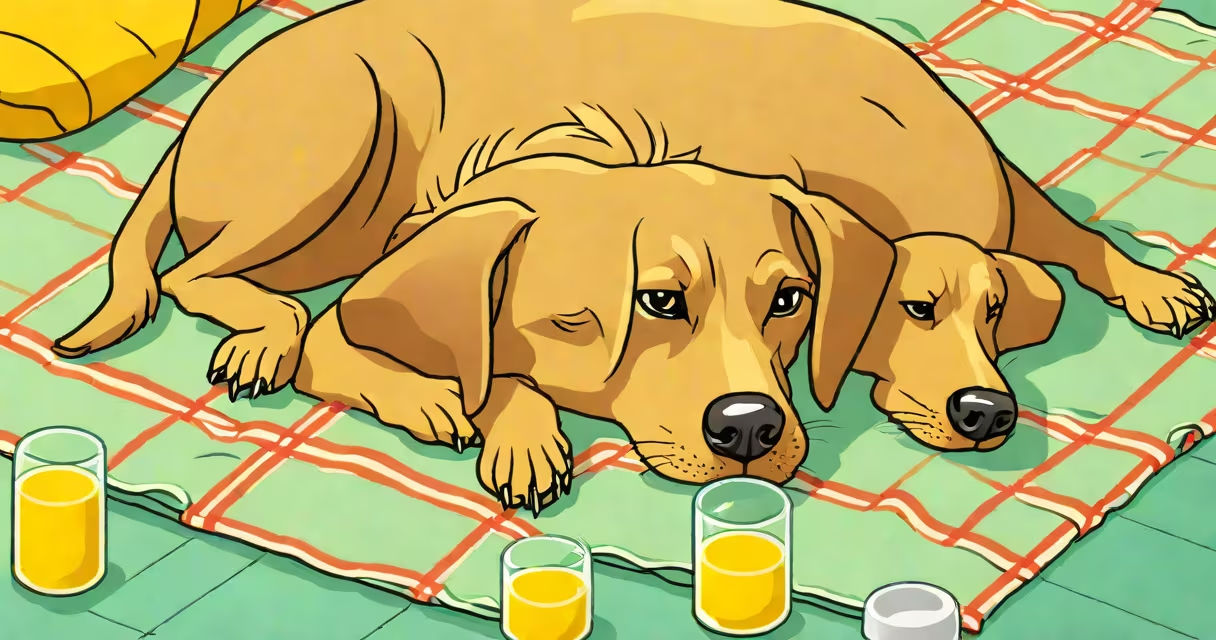
When your dog vomits and has diarrhea simultaneously, it indicates acute gastrointestinal distress. This combination often results from infections, dietary changes, parasites, or toxins. Immediate attention is needed if symptoms persist beyond 12 hours or include blood, lethargy, or dehydration.
Dogs experience vomiting and diarrhea when their digestive tract becomes irritated or inflamed. The stomach and intestines react by expelling contents rapidly-vomiting to clear the stomach, diarrhea to flush out irritants. Common triggers include sudden diet changes, ingestion of garbage or toxic substances, viral infections like parvovirus, or parasitic infestations such as giardia or roundworms.
The American Kennel Club notes that vomiting and diarrhea are among the most frequent reasons pet owners consult veterinarians. A 2022 study published in Veterinary Medicine and Science found that 68% of acute cases resolved within 48 hours with supportive care, but 12% required hospitalization due to complications like severe dehydration or sepsis.
When a dog ingests something irritating-like spoiled food, chocolate, or a foreign object-the gut lining releases chemicals that trigger muscle contractions. These contractions speed up transit time, leading to loose stools. Simultaneously, the brain receives signals from the gut via the vagus nerve, prompting nausea and vomiting.
Some conditions cause both symptoms because they affect the entire GI tract. For example, parvovirus attacks intestinal cells, destroying their ability to absorb nutrients and water. This leads to explosive diarrhea and repeated vomiting. Without treatment, dehydration sets in quickly-dogs can lose 10% of their body fluid in under 24 hours.
A non-obvious fact: not all diarrhea is watery. Blood in stool-especially bright red-can indicate colonic irritation, while dark, tarry feces suggest upper GI bleeding. If you see red diarrhea, it may signal a serious issue requiring urgent vet evaluation.
Several conditions can mimic or cause concurrent vomiting and diarrhea. Distinguishing between them helps determine urgency and treatment.
| Condition | Key Symptoms | Typical Cause | Urgency Level |
|---|---|---|---|
| Dietary indiscretion | Vomiting, loose stool, mild lethargy | Sniffing trash, eating human food | Low to moderate |
| Parvovirus | Projectile vomiting, bloody diarrhea, fever | Canine parvovirus (CPV) | High-life-threatening |
| Giardia infection | Chronic diarrhea, greasy stools, occasional vomiting | Protozoan parasite in contaminated water | Medium-requires medication |
| Toxic ingestion | Severe vomiting, tremors, seizures, red diarrhea | Chocolate, xylitol, rat poison | Very high-emergency |
One key distinction: vomiting that occurs within 30 minutes of eating suggests a physical obstruction or rapid gastric emptying. Diarrhea lasting more than 24 hours-even without vomiting-warrants a vet visit. According to the Cornell Feline Health Center, persistent diarrhea increases the risk of electrolyte imbalance and secondary infections.
Not all episodes require immediate care. But certain signs demand prompt veterinary intervention. These include:
I once observed a 6-month-old Labrador mix that developed vomiting and red diarrhea after chewing on a plastic toy. The owner brought him in within four hours. Radiographs revealed a partial obstruction. After surgery, he recovered fully in three days. This case highlights how quickly a minor incident can escalate.
Red diarrhea in dogs is especially concerning. It may stem from colitis, hemorrhagic gastroenteritis (HGE), or ingestion of blood-rich substances like raw meat or anticoagulant rodenticides. The Merck Veterinary Manual states that HGE can progress rapidly-up to 50% of affected dogs show shock signs within six hours.
If your dog has mild symptoms and is otherwise alert, withhold food for 12 hours but offer small amounts of water frequently. After fasting, introduce a bland diet: 1 part boiled chicken or lean ground beef to 2 parts plain white rice. Feed small portions every few hours.
Do not administer over-the-counter medications like Pepto-Bismol or Imodium unless directed by a vet. These can worsen certain conditions-Imodium, for example, is dangerous in breeds like Collies due to MDR1 gene mutations.
Even if your dog seems fine afterward, a follow-up visit is wise. Some infections, like giardia, can recur if not fully treated. Always monitor for relapse, especially in young or immunocompromised dogs.
Understanding why your dog is puking and diarrhea begins with recognizing the difference between manageable upset and medical emergency. Persistent symptoms, blood, or behavioral changes are not normal. Early diagnosis improves recovery odds.