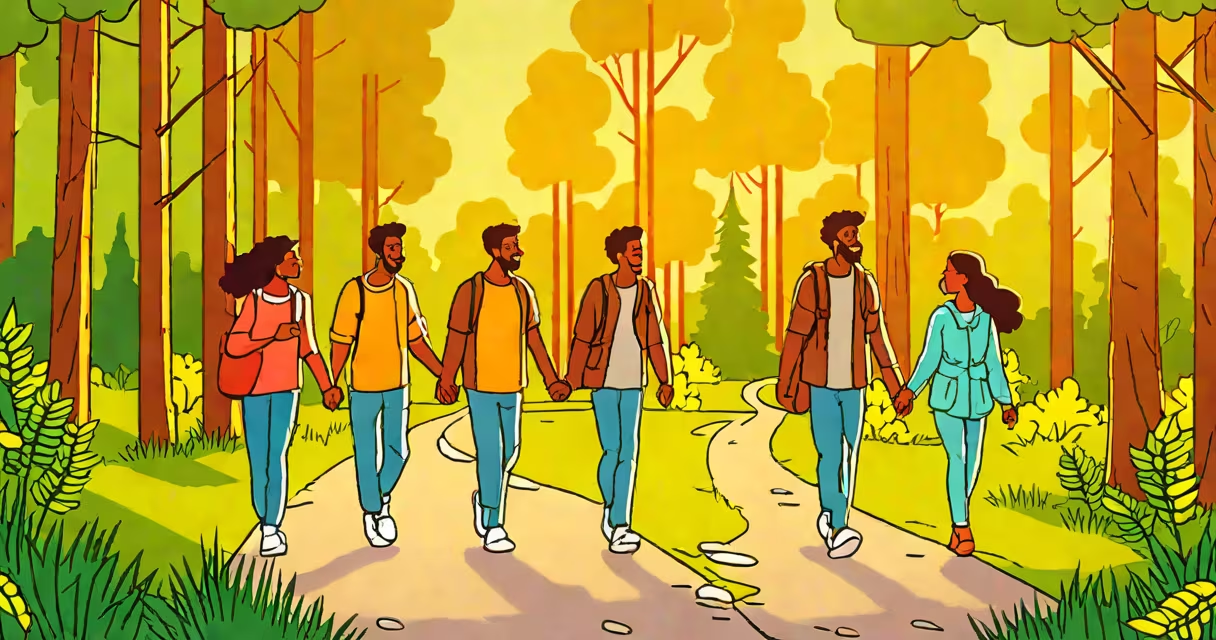
Outdoor activities for a date are shared experiences in natural or open-air settings designed to deepen emotional connection between partners. They range from casual walks to planned adventures and emphasize presence, conversation, and sensory engagement over structured entertainment.
These activities work by reducing distractions and creating environments where attention naturally turns toward each other. Fresh air, movement, and scenic surroundings lower cortisol levels and increase oxytocin release, according to research from the University of Michigan. This biological shift supports emotional bonding and reduces anxiety during social interaction.
A 2022 study published in *Environment and Behavior* found couples who engaged in moderate physical activity outdoors reported higher relationship satisfaction than those who stayed indoors. The combination of light exertion and shared scenery fosters mutual focus and reduces performance pressure common in formal dates.
Shared physical space and environmental stimuli create conditions conducive to rapport. Unlike indoor settings where lighting, noise, and furniture layout can inhibit conversation, outdoor spaces often feature natural buffers-trees, water, hills-that encourage pause and reflection.
For example, walking along a lakeside path requires coordination but not intense focus. Partners adjust pace, glance at reflections on water, comment on birds. These micro-interactions build familiarity without requiring scripted dialogue. A 2021 review in *Frontiers in Psychology* noted that incidental communication during low-stakes movement increases perceived compatibility.
Physical activity also contributes. Even 20 minutes of walking together raises endorphin and dopamine levels. This neurochemical effect enhances mood and makes positive memories more vivid. Over time, these small biochemical shifts reinforce attachment.
The most effective outdoor activities for a date fall into three categories: passive observation, gentle movement, and collaborative creation. Each serves a different emotional purpose.
| Type | Examples | Best For | Duration |
|---|---|---|---|
| Passive Observation | Sunset watching, stargazing, beach sitting | Emotional openness, quiet intimacy | 30-60 min |
| Gentle Movement | Leisurely hike, bike ride, paddleboarding | Shared accomplishment, relaxed conversation | 60-90 min |
| Collaborative Creation | Picnic setup, nature art, birdwatching with binoculars | Joint problem-solving, playful teamwork | 60-120 min |
Passive observation is underused but effective. Sitting quietly beside a lake or on a hilltop allows both people to process feelings without performance demands. Research from Stanford's psychology department shows that silence in shared natural settings increases empathy and reduces defensiveness.
Gentle movement combines mild exercise with shared direction. A 2019 study in *Journal of Social and Personal Relationships* found couples who walked together reported greater trust and willingness to share personal stories afterward than those who sat still.
Collaborative creation adds a layer of shared purpose. Preparing a meal together outdoors, even a simple sandwich and fruit platter, creates ritual. The act of assembling something tangible encourages cooperation and builds a sense of joint ownership over the experience.
Most successful outdoor activities for a date happen in accessible green spaces. National parks, city trails, botanical gardens, and lakeshores offer safe, scenic environments. Urban areas often have designated walking paths or riverside promenades that require minimal travel.
Timing matters. Late afternoon to early evening is ideal. Light levels soften, temperatures drop, and crowds thin. A 2023 report from the American Psychological Association highlighted that couples who met during twilight hours reported stronger emotional resonance than those who met at noon or midnight.
Seasonal context influences choice. Spring offers blooming flowers and warmer weather-ideal for picnics. Summer suits longer hikes or kayaking. Fall brings crisp air and vibrant foliage, perfect for leaf-peeping walks. Winter can work with hot cocoa stops and snow-covered trails, though safety precautions are essential.
Many people assume outdoor activities for a date must be strenuous or elaborate. This leads to overplanning and stress. A hike that takes four hours because of poor route selection undermines relaxation. The goal is not endurance-it's presence.
Another error is choosing locations with high foot traffic. Busy parks or popular trails can trigger anxiety and reduce privacy. A 2020 study in *Urban Forestry & Urban Greening* showed that couples in crowded green spaces reported lower emotional connection than those in quieter zones, even when both groups were physically close.
Non-obvious correction: avoid using phones during the date. Not just for distraction-but because camera use shifts focus from experience to documentation. A 2021 experiment by the University of California, San Diego, found couples who took photos during a walk recalled less detail about the actual event than those who didn't.
On a late August evening, a couple met at Emerald Bay State Park near Lake Tahoe. They arrived at 6:30 PM, just before dusk. The plan was simple: bring a blanket, a thermos of tea, cheese, apples, and a small notebook for writing thoughts aloud.
They walked 15 minutes along the shoreline trail, paused at a rocky outcrop, and sat facing the water. As the sun dipped below the Sierra Nevada peaks, they shared observations: "The waves look like liquid silver," "I've never seen the sky turn that shade of purple."
After 45 minutes, they folded the blanket, packed up, and walked back. No phone use. No music. Just conversation and silence. The next day, both remembered the color of the sky and one specific line of dialogue-one said, "I felt like we were the only two people in the world."
This example illustrates how simplicity maximizes impact. The activity required no special gear, cost under $15, and lasted less than two hours. Yet it created lasting emotional resonance.
When planning outdoor activities for a date, prioritize ease, proximity, and shared attention. Avoid over-planning. Let the environment do the work. A walk through a wooded path, a quiet bench by a pond, or a few minutes gazing at clouds can be more meaningful than a five-course dinner in a crowded restaurant.