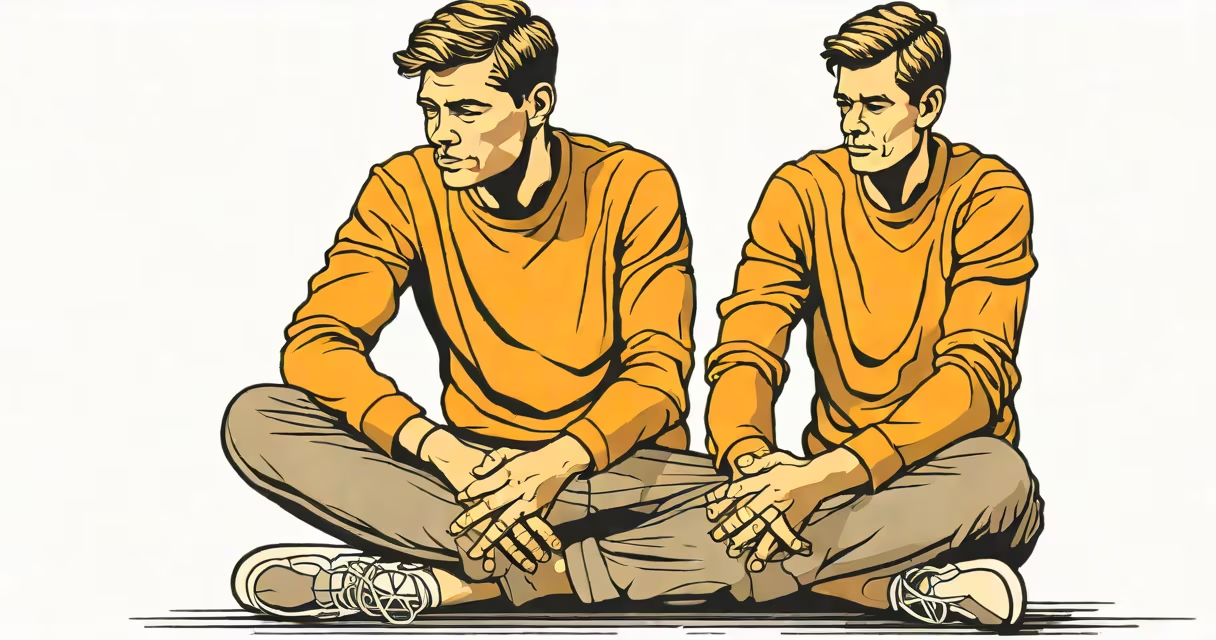
Dissociative identity disorder (DID) is the clinical term for what is commonly called split personality. It describes a condition where a person experiences two or more distinct identity states that recurrently take control of their behavior. These identities may have different names, ages, genders, speech patterns, and memories.
DID arises from prolonged, severe trauma during early childhood, often involving physical, sexual, or emotional abuse. The mind uses dissociation-a psychological defense-to compartmentalize traumatic memories and emotions, allowing the individual to function despite unbearable stress. This process results in the formation of separate identity states, each handling specific aspects of life or trauma.
The Diagnostic and Statistical Manual of Mental Disorders, Fifth Edition (DSM-5), published by the American Psychiatric Association, defines DID as a disorder marked by persistent gaps in memory, identity confusion, and a sense of detachment from oneself. It is not a fictional portrayal seen in movies or TV shows. Real cases involve complex internal dynamics, not dramatic switches between heroic and villainous personas.
When someone with DID experiences a trigger-such as a sound, smell, or situation reminiscent of past trauma-their mind may shift into a different identity state. This shift is not voluntary. It happens automatically and often without awareness. The person may suddenly speak in a different voice, adopt unfamiliar mannerisms, or report not remembering events from their own life.
Each identity state, sometimes referred to as an "alter," functions independently. Some alters may be childlike, others may be protective or aggressive. They may hold different beliefs, skills, or levels of awareness. For example, one alter might be fluent in French, while the primary identity speaks only English. Another might have no memory of a car accident that occurred while the primary identity was driving.
A 2018 study published in the journal Psychological Trauma: Theory, Research, Practice, and Policy found that 97% of individuals diagnosed with DID reported experiencing severe childhood abuse. The study emphasized that DID is not a result of fantasy, attention-seeking, or poor parenting-it is a response to overwhelming, repeated trauma. The brain's attempt to survive leads to fragmentation of identity, not theatrical performance.
Many people confuse DID with schizophrenia, but they are entirely different conditions. Schizophrenia involves hallucinations, delusions, and disorganized thinking. DID involves identity fragmentation and memory lapses. A person with schizophrenia does not develop multiple personalities. The DSM-5 explicitly separates the two disorders.
Another frequent error is equating DID with "multiple personalities" as portrayed in entertainment media. In reality, the alters are not independent characters living in the same body. They are parts of one person's psyche, shaped by trauma. The idea that one alter controls the body while another watches from the sidelines is inaccurate. There is no "host" identity that remains aware throughout. Instead, awareness shifts unpredictably.
Even within the medical community, there is ongoing discussion about the prevalence and diagnosis of DID. The National Institute of Mental Health (NIMH) reports that DID affects approximately 1% of the general population. However, underdiagnosis is common because symptoms overlap with PTSD, borderline personality disorder, and depression. Many patients go undiagnosed for decades.
While DID does not have formal subtypes, clinicians observe recurring patterns in the roles that alters assume. These roles serve specific psychological functions in managing trauma and daily functioning.
| Role Type | Description | Example Function |
|---|---|---|
| Host | Primary identity that interacts with the world; often unaware of other alters | Handles school, work, and social relationships |
| Protector | Defends against perceived threats; may be aggressive or vigilant | Reacts to loud noises or sudden movements |
| Child Alter | Represents younger self; may carry unresolved trauma | Expresses fear, sadness, or innocence |
| Manager | Plans and organizes actions; maintains routines | Keeps track of appointments and finances |
These roles are not fixed. An alter may shift roles over time based on current stress levels or environmental triggers. For instance, a protector alter may become the manager during periods of high anxiety.
In a documented case from the Journal of Clinical Psychology (2020), a 34-year-old woman named Sarah was diagnosed with DID after years of unexplained memory gaps and mood swings. She had experienced chronic abuse from age 4 through 12. During therapy, she reported three distinct identities:
Therapy focused on integrating these identities through cognitive behavioral techniques and trauma-focused treatment. Over 18 months, Sarah began to recall events previously attributed to Emily or Mark. The goal was not to eliminate alters but to reduce conflict and improve communication between them.
During one session, Sarah described waking up in a different room, wearing clothes she didn't choose. She later learned that Mark had taken control during a panic attack triggered by a thunderstorm. This shift was automatic-not intentional-and caused distress for both Sarah and her therapist.
Using the correct term-dissociative identity disorder-helps reduce stigma and ensures proper care. Mislabeling DID as "split personality" perpetuates myths that people with the condition are dangerous or unstable. In reality, most individuals with DID are not violent. They are survivors coping with deep psychological wounds.
One of the most overlooked facts is that DID is not a rare condition. It appears in 1-3% of psychiatric inpatients and is more common than many people realize. Yet public understanding lags behind clinical evidence. A 2021 survey by the National Alliance on Mental Illness (NAMI) found that 64% of respondents believed DID was fictional or exaggerated.
Understanding this distinction allows for better empathy, informed conversations, and access to effective treatment. It also prevents harmful stereotypes that harm real people living with this experience.