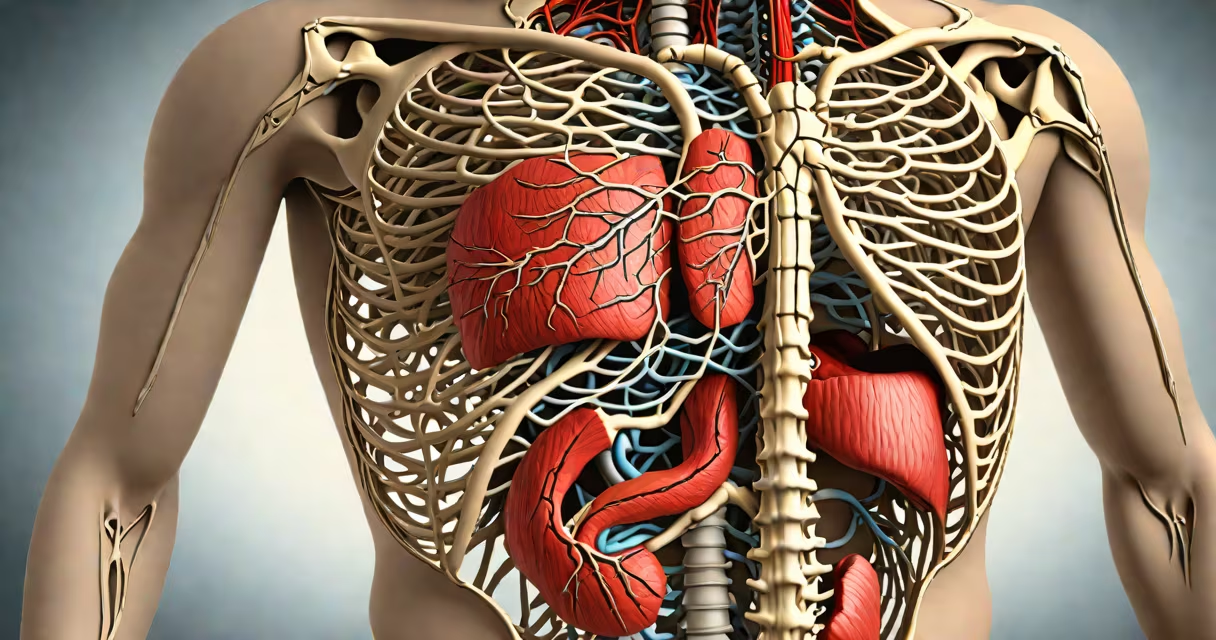
Human anatomy and physiology is the scientific study of the body's structure and how its parts work together to sustain life. Anatomy focuses on form-what structures exist and where they are located. Physiology examines function-the processes that maintain homeostasis, such as nutrient transport, neural signaling, and waste removal. Together, they explain how cells, tissues, organs, and systems interact to support survival.
Anatomy is divided into gross (visible to the naked eye) and microscopic (studied under a microscope). Gross anatomy includes regional and systemic approaches. Systemic anatomy maps the body by functional groups-like the circulatory or nervous system. Microscopic anatomy covers histology (tissue structure) and cytology (cell structure). Physiology tracks how systems regulate internal conditions through feedback loops, such as blood glucose control via insulin and glucagon.
The field integrates observational science with clinical application. Medical students learn anatomy through cadaver dissection and imaging techniques like MRI and CT scans. Physiological principles guide treatment protocols-for example, adjusting fluid intake based on kidney function or managing heart rate using autonomic nervous system responses. Understanding both disciplines enables accurate diagnosis and effective intervention.
Every anatomical feature serves a physiological purpose. The heart's four chambers and one-way valves ensure unidirectional blood flow. The alveoli in the lungs have thin walls and large surface areas to maximize oxygen diffusion into capillaries. Nerve cells transmit signals via electrochemical gradients, allowing rapid communication between brain and muscles.
Homeostasis is central to physiology. For example, when body temperature rises during exercise, sweat glands activate to cool the skin. Blood vessels dilate to increase heat loss. These responses are regulated by the hypothalamus, which compares current readings to set points. If deviations exceed thresholds, corrective actions begin automatically.
Disruptions in this balance lead to disease. Type 2 diabetes results from impaired insulin response, causing high blood glucose. The pancreas still produces insulin, but cells fail to absorb glucose efficiently. This illustrates how dysfunction in a single physiological process affects entire systems.
The human body contains 11 major organ systems, each with distinct structural and functional roles:
| System | Primary Structures | Key Functions |
|---|---|---|
| Nervous | Brain, spinal cord, nerves | Process sensory input, coordinate movement, regulate emotions and cognition |
| Circulatory | Heart, blood vessels, blood | Deliver oxygen and nutrients; remove carbon dioxide and waste |
| Respiratory | Lungs, trachea, diaphragm | Help gas exchange between air and blood |
| Digestive | Esophagus, stomach, intestines, liver | Break down food, absorb nutrients, eliminate waste |
| Endocrine | Pituitary, thyroid, adrenal glands | Secrete hormones to regulate metabolism, growth, reproduction |
Each system operates within a network. The endocrine system releases cortisol during stress, which increases blood sugar. The circulatory system transports cortisol to target cells. The nervous system monitors stress levels and triggers the adrenal glands. This interdependence ensures coordinated adaptation to changing demands.
A non-obvious fact: the gut microbiome influences both digestion and immune function. Trillions of bacteria in the large intestine produce vitamins like K and B12, break down complex carbohydrates, and train immune cells to distinguish pathogens from harmless substances. Disruption of this microbial community correlates with autoimmune disorders and metabolic syndrome.
Many assume anatomy and physiology are interchangeable. They are not. Anatomy describes "what" exists-the location of the femur or the arrangement of neurons in the cerebral cortex. Physiology explains "how" it works-the contraction of muscle fibers due to calcium release from the sarcoplasmic reticulum.
Another misconception is that anatomy is purely visual. While cadavers and diagrams are essential, modern tools like electron microscopy reveal subcellular details. For example, mitochondria appear as double-membrane sacs with folded inner layers (cristae), which increase surface area for ATP production. This structural detail directly enables energy generation.
Some believe physiology applies only to healthy bodies. In reality, it's important in pathology. When a patient presents with low blood pressure, clinicians assess cardiac output, vascular resistance, and fluid volume-all physiological parameters. Abnormal values indicate shock, sepsis, or hemorrhage. Treatment depends on restoring normal function, not just identifying structure.
A 62-year-old man presents with fatigue, weight loss, and frequent urination. Blood tests show elevated glucose (220 mg/dL) and hemoglobin A1c of 8.5%. Urinalysis detects ketones. Diagnosis: type 2 diabetes mellitus.
Anatomically, his pancreatic beta cells are reduced in number and function. Physiologically, insulin resistance impairs glucose uptake in muscle and fat tissue. As a result, blood glucose remains high. The kidneys attempt to excrete excess glucose, leading to osmotic diuresis-increased urine output and dehydration.
Treatment involves lifestyle changes and medication. Metformin reduces hepatic glucose production. Insulin injections restore glucose transport into cells. Monitoring blood glucose levels allows adjustment of dosage. This case shows how understanding anatomy and physiology guides precise medical decisions.
Human anatomy and physiology remains foundational in healthcare, research, and education. Its principles apply from surgical planning to public health policy. Mastery of both structure and function enables accurate interpretation of biological data and informed decision-making in clinical settings.