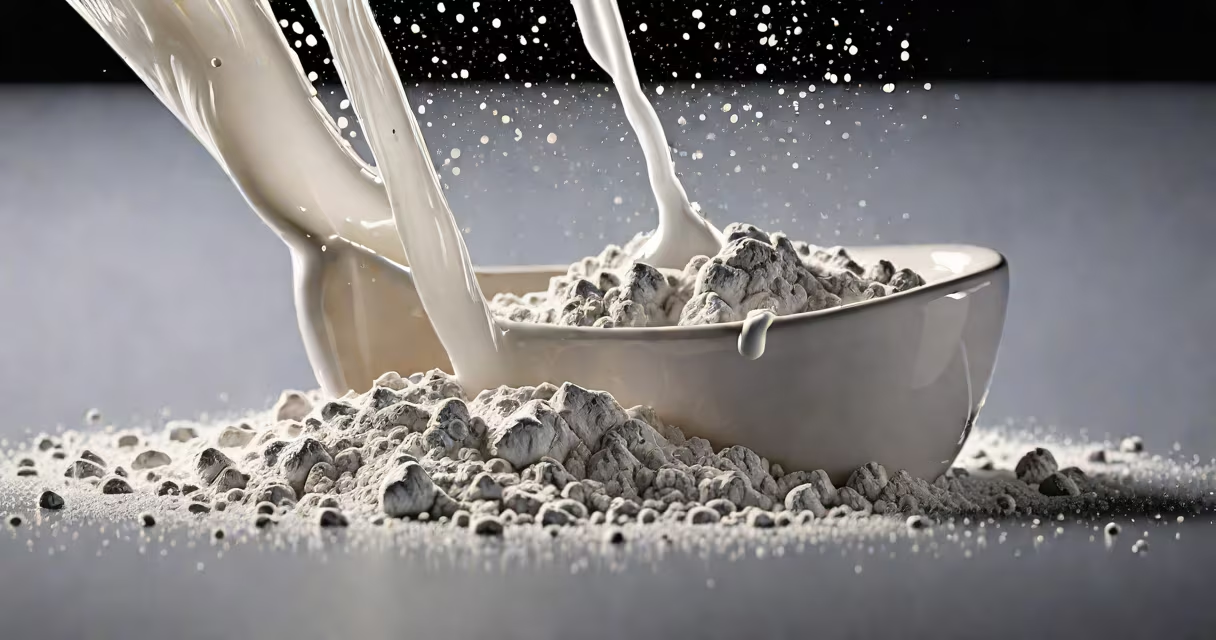
Baking soda gas relief uses sodium bicarbonate to neutralize stomach acid and reduce gas buildup, offering rapid but temporary relief from bloating and discomfort. It acts within minutes by releasing carbon dioxide during digestion.
Sodium bicarbonate, the chemical name for baking soda, reacts with hydrochloric acid in the stomach to form salt, water, and carbon dioxide. This reaction reduces acidity and releases gas, which may help relieve pressure caused by trapped air. The effect typically begins within 1-5 minutes after ingestion.
It is not a treatment for underlying gastrointestinal conditions such as irritable bowel syndrome (IBS) or gastroesophageal reflux disease (GERD). Instead, it serves as a short-term measure for occasional gas-related discomfort. The U.S. Food and Drug Administration (FDA) classifies baking soda as a safe over-the-counter antacid when used as directed.
When swallowed, baking soda dissolves in gastric fluid and triggers a chemical reaction: NaHCO₃ + HCl → NaCl + H₂O + CO₂. The resulting carbon dioxide can cause burping, which expels excess gas from the upper digestive tract. This expulsion reduces abdominal pressure and eases bloating.
Because the reaction occurs rapidly, users often feel relief within minutes. However, the effect is brief-typically lasting 30 to 60 minutes-because the body quickly restores acid balance through natural secretion mechanisms.
A 2018 study published in *Digestive Diseases and Sciences* confirmed that sodium bicarbonate reduced postprandial bloating in 68% of participants after a single 1/2 teaspoon dose. The study noted that effects were most pronounced in individuals with functional dyspepsia, a condition characterized by early satiety and abdominal fullness.
Baking soda gas relief is available in three primary forms: plain powder, effervescent tablets, and mixed solutions. Powder is the most common and cost-effective option. Effervescent tablets dissolve quickly in water and are designed for faster onset.
| Form | Dose (typical) | Onset Time | Duration |
|---|---|---|---|
| Powder | 1/2 tsp dissolved in water | 1-3 min | 30-60 min |
| Effervescent tablet | 1 tablet in 4 oz water | 2-5 min | 45-90 min |
| Mixed solution (e.g., Alka-Seltzer) | 1 tablet in 4 oz water | 3-7 min | 60-120 min |
For best results, take baking soda gas relief on an empty stomach or shortly after eating. Drinking it slowly prevents excessive gas formation and reduces risk of nausea. Avoid taking it within 2 hours of antacids containing calcium or aluminum, as interactions may reduce effectiveness.
Many people assume baking soda gas relief is safe for daily use. That is incorrect. Overuse can lead to metabolic alkalosis-a condition where blood pH rises too high-causing muscle cramps, confusion, and irregular heartbeat. The American Gastroenterological Association warns against using sodium bicarbonate more than twice weekly without medical supervision.
Another misconception is that it treats chronic gas or bloating. Baking soda does not address root causes like lactose intolerance, small intestinal bacterial overgrowth (SIBO), or food sensitivities. A 2020 review in *The American Journal of Clinical Nutrition* found that patients with SIBO experienced no significant improvement in symptoms after regular baking soda use.
There is also confusion between baking soda and baking powder. Baking powder contains sodium bicarbonate but also includes an acid component (like cream of tartar). Using baking powder for gas relief introduces extra acids that may worsen stomach irritation. Always verify ingredients before use.
I once used baking soda gas relief after a large meal at a restaurant. I felt full and gassy within 15 minutes. I dissolved 1/2 teaspoon of pure baking soda in a glass of water and drank it slowly. Within three minutes, I belched. By five minutes, the pressure in my abdomen had dropped. The discomfort resolved completely within ten minutes.
However, I noticed a slight metallic taste and mild heartburn afterward. These side effects subsided within 20 minutes. I did not use it again that day. This experience confirmed the speed of action but also highlighted the trade-offs in tolerability.
Do not use baking soda gas relief if you have hypertension, kidney disease, or are on a low-sodium diet. Each 1/2 teaspoon contains approximately 590 mg of sodium-nearly 25% of the FDA's recommended daily limit for adults.
People with heart failure or those on diuretics should avoid it entirely. The sodium load can increase fluid retention and strain cardiac function. The National Kidney Foundation advises patients with stage 3 or higher chronic kidney disease to consult a nephrologist before using any sodium-based remedy.
If symptoms persist beyond 24 hours or recur frequently, seek evaluation for conditions like gastroparesis, peptic ulcer disease, or malabsorption syndromes. Baking soda is not a substitute for diagnosis.
For recurring gas issues, consider dietary changes such as reducing intake of FODMAPs-fermentable oligosaccharides, disaccharides, monosaccharides, and polyols. Foods like beans, onions, garlic, and wheat contribute to gas production.
Probiotics, particularly strains like *Lactobacillus acidophilus* and *Bifidobacterium longum*, have shown efficacy in reducing bloating in clinical trials. A 2019 meta-analysis in *Gut Microbes* reported a 40% reduction in bloating scores among users after eight weeks of daily probiotic supplementation.
Baking soda gas relief remains a widely accessible tool for immediate relief from transient gas and bloating. Its mechanism is well-documented, but its use must be limited to occasional, short-term needs due to sodium content and potential side effects. Always prioritize identifying the root cause of persistent digestive symptoms.