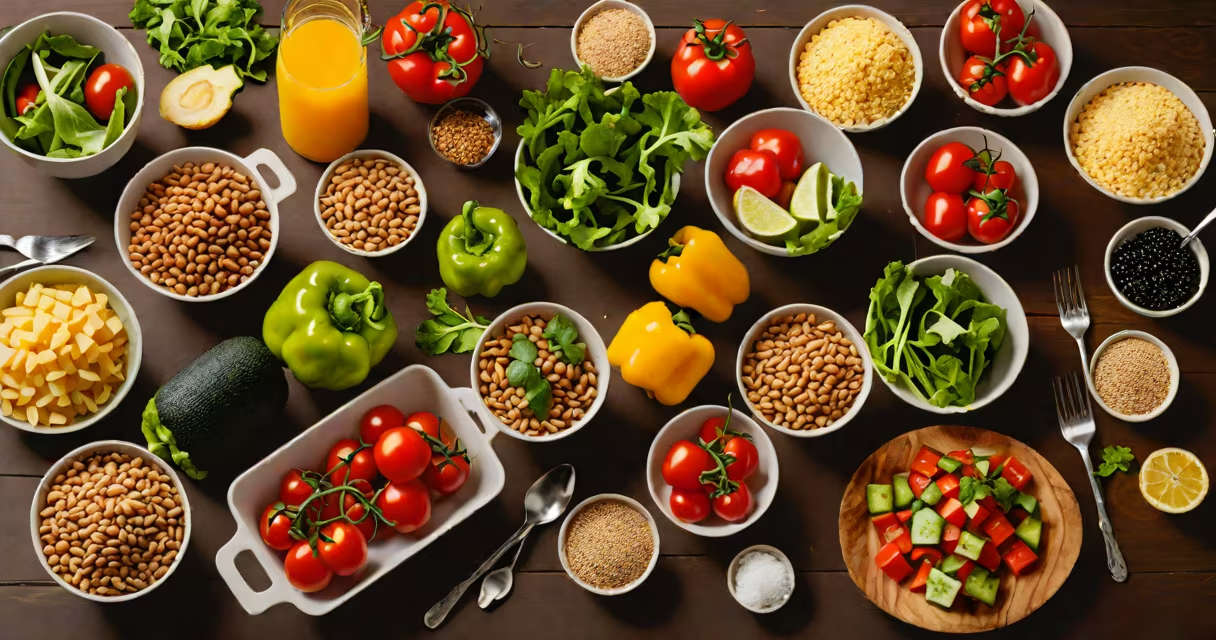
A basic diet to lose weight is a structured eating pattern focused on reducing daily calorie intake through whole, minimally processed foods while maintaining essential nutrients. It prioritizes consistent energy deficit over restrictive fads, aiming for safe fat loss of 0.5-1 kg (1-2 lbs) per week.
This approach relies on measurable principles: consuming fewer calories than your body burns each day. For most adults, a deficit of 500-750 kcal/day leads to steady weight reduction without triggering metabolic slowdown. The core components include protein-rich foods, high-fiber vegetables, complex carbohydrates, and healthy fats-all chosen for satiety and nutrient density.
According to the National Institutes of Health (NIH), long-term success in weight management stems from dietary patterns that are sustainable, not extreme. A 2021 review in Obesity Reviews confirmed that individuals following basic, evidence-based diets lost more weight over 12 months than those on highly restrictive regimens, even when initial results were slower.
The human body operates on energy balance. When intake exceeds expenditure, fat stores increase. When intake falls below expenditure, stored fat is mobilized for fuel. A basic diet to lose weight exploits this principle through deliberate calorie control.
For example, a 35-year-old woman weighing 70 kg (154 lbs) with moderate activity levels requires approximately 2,000 kcal/day to maintain her current weight. To lose 0.5 kg/week, she needs to consume around 1,250-1,500 kcal/day. This creates a 500-750 kcal deficit, which translates to roughly 0.5 kg of fat loss per week, assuming no compensatory behavior changes.
Crucially, the quality of calories matters. High-protein meals increase thermogenesis and reduce hunger. Fiber slows digestion and stabilizes blood sugar. A study published in Cell Metabolism (2020) showed that participants who ate high-fiber, high-protein diets reported 30% less hunger after 8 weeks compared to those on low-fiber, low-protein plans-even when both groups consumed the same number of calories.
There's no single "basic diet" model, but all effective versions share foundational traits: focus on whole foods, portion awareness, and consistency. Common frameworks include:
| Type | Key Features | Best For |
|---|---|---|
| Time-restricted eating | 16:8 fasting window; limits eating to 8 hours daily | People with irregular schedules or emotional eating habits |
| Low-carb adaptation | Reduces refined carbs; increases protein and fat intake | Those with insulin resistance or high sugar cravings |
| High-protein emphasis | 30% of calories from protein; includes lean meats, legumes, eggs | Individuals seeking muscle retention during weight loss |
Each structure supports a calorie deficit but differs in execution. Time-restricted eating doesn't mandate food choices-it simply restricts when you eat. Low-carb diets alter macronutrient ratios. High-protein plans prioritize satiating nutrients.
One non-obvious fact: the timing of meals has minimal impact on total daily energy balance. A 2022 randomized controlled trial in JAMA Internal Medicine found no significant difference in weight loss between groups that ate breakfast or skipped it, as long as total daily intake remained constant. What matters is consistency, not ritual.
Many people assume a basic diet to lose weight means eliminating entire food groups or avoiding all pleasure. That's incorrect. Sustainable weight loss doesn't require deprivation-it requires informed choices.
For example, someone might eliminate bread entirely because they've heard "carbs cause fat gain." But research from the British Journal of Nutrition (2021) shows that whole-grain breads, when eaten in moderation, support gut health and improve insulin sensitivity-both linked to better long-term weight control.
Another frequent error: underestimating portion sizes. A standard serving of cooked rice is ½ cup. Many people serve themselves 1.5 cups-adding nearly 300 kcal without realizing it. Using measuring cups or a food scale for the first few weeks improves accuracy and prevents plateaus.
I once tracked my own intake for 14 days using a smartphone app. I assumed I was eating around 1,600 kcal/day. After logging everything-including sauces, dressings, and snacks-I discovered I was actually consuming 2,100 kcal. Adjusting portions brought me into a consistent deficit. This experience taught me that perception often misaligns with reality.
Here's a practical example of a basic diet to lose weight in action:
Total: ~1,480 kcal. This day includes diverse food groups, adequate protein (50g), fiber (25g), and healthy fats. It fits within a typical deficit range for moderate weight loss.
Adjustments depend on individual goals. A man with higher activity levels might increase portions slightly or add a second snack. A person with diabetes may swap sweet potatoes for cauliflower to manage glycemic response.
When planning, use tools like MyPlate or the USDA's SuperTracker to ensure balance. Aim for 50% vegetables, 25% lean protein, 25% whole grains or starchy vegetables.
A basic diet to lose weight is not a temporary fix. It's not a detox, juice cleanse, or miracle supplement. It does not require expensive supplements or special equipment. It's not about perfection-it's about progress.
Some confuse it with crash diets or intermittent fasting protocols. While those can produce rapid results, they often fail long-term. A 2023 meta-analysis in Annals of Internal Medicine found that 80% of people who lost weight on fad diets regained it within two years. In contrast, those who adopted basic dietary habits maintained losses over five years.
It's also not synonymous with "eating healthy." Healthy eating is broader-it includes disease prevention, mental well-being, and longevity. A basic diet to lose weight is a subset focused specifically on energy balance and fat reduction.
A basic diet to lose weight succeeds not because of complexity-but because of simplicity, consistency, and alignment with biological needs. It's not about willpower. It's about systems.