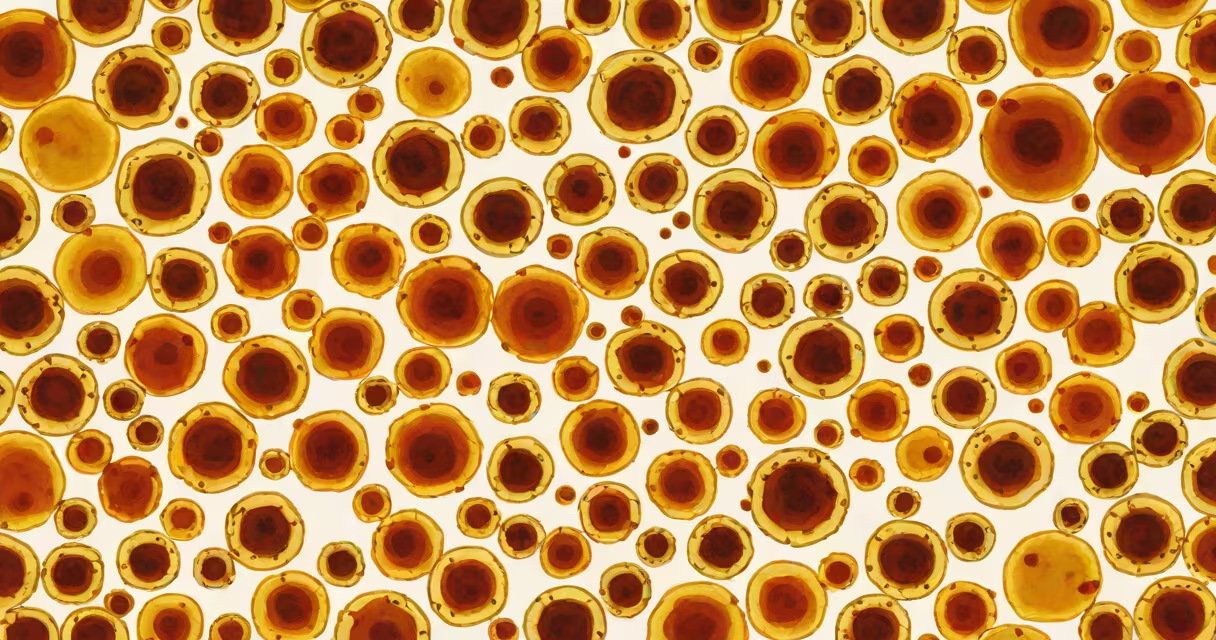
Beta hemolytic streptococcal infections in urine occur when bacteria from the Group A Streptococcus (GAS) family, specifically Streptococcus pyogenes, are detected in a urine specimen. These organisms cause complete lysis of red blood cells in culture media, visible as a clear zone around colonies-known as beta hemolysis. This finding is rare in routine urinalysis and typically indicates either contamination or a true genitourinary infection.
Streptococcus pyogenes is most commonly associated with pharyngitis and skin infections like impetigo. Its presence in urine is unusual because the bacterium is not a typical uropathogen. Most urinary tract infections (UTIs) stem from Escherichia coli, Klebsiella, or Proteus species. When S. pyogenes appears in urine, it raises concern for ascending infection, especially in individuals with anatomical abnormalities, recent instrumentation, or compromised immunity.
Diagnosis requires a positive urine culture showing pure growth of beta-hemolytic streptococci. A single colony count above 10⁵ CFU/mL confirms significant bacteriuria. However, low counts may reflect contamination during collection, particularly in women with vaginal flora proximity. Confirmatory testing includes Lancefield grouping via antigen detection or PCR for emm gene typing, which identifies the specific strain responsible.
S. pyogenes enters the urinary tract through hematogenous spread, ascending infection from the lower genital tract, or iatrogenic introduction during catheterization. Once in the bladder or kidneys, it can trigger inflammation, leading to symptoms such as dysuria, frequency, suprapubic pain, or fever. In rare cases, it causes pyelonephritis or sepsis, especially in elderly patients or those with comorbidities like diabetes.
The organism produces several virulence factors that aid survival and tissue invasion. Streptolysin O, a pore-forming toxin, destroys host cell membranes and evades immune clearance. M protein inhibits phagocytosis and promotes adherence to epithelial surfaces. These traits allow S. pyogenes to persist in the urinary tract despite normal host defenses.
A 2021 study published in *Clinical Microbiology and Infection* reported that among 12,000 urine cultures analyzed, only 0.3% yielded beta-hemolytic streptococci. Of those, 68% were Group A (S. pyogenes), 22% Group B (S. agalactiae), and 10% other groups. Only 41% of confirmed cases had clinical symptoms consistent with UTI, suggesting that many findings represent transient colonization or contamination.
Streptococci are classified by hemolytic pattern and Lancefield serogroup. Beta hemolysis is characterized by a complete clearing of red blood cells around colonies on blood agar. This trait distinguishes it from alpha (partial clearing) and gamma (no clearing) hemolysis. Among beta-hemolytic streptococci, Group A (S. pyogenes), Group B (S. agalactiae), and Group D (Enterococcus spp.) are clinically relevant.
| Group | Common Name | Typical Infections | Urinary Tract Relevance |
|---|---|---|---|
| A | Streptococcus pyogenes | Pharyngitis, necrotizing fasciitis, post-streptococcal glomerulonephritis | Rare; suggests ascending or hematogenous spread |
| B | Streptococcus agalactiae | Neonatal sepsis, pelvic infections | More common in pregnant women; may be asymptomatic carrier state |
| D | Enterococcus spp. | Endocarditis, catheter-associated UTIs | Frequently misidentified as streptococci; requires accurate identification |
Group A streptococci are the most clinically significant in this context due to their association with invasive disease. They are identified using the CAMP test and bacitracin sensitivity-bacitracin inhibits Group A strains but not others. PCR-based assays targeting the *emm* gene have improved diagnostic accuracy, reducing false positives from cross-reactive organisms.
Many clinicians dismiss beta hemolytic streptococci in urine as contamination, especially in asymptomatic patients. However, this overlooks the risk of systemic spread. A documented case in *The Journal of Urology* described a 78-year-old man with fever and flank pain whose urine culture grew S. pyogenes. He was initially treated for a presumed UTI with nitrofurantoin, but his condition worsened. Blood cultures later confirmed bacteremia. He required IV penicillin and hospitalization.
A critical distinction: beta hemolytic streptococci in urine do not equate to strep throat. The same organism cannot be diagnosed solely by urine results. A patient with positive urine culture and sore throat should undergo a rapid antigen test or throat swab for confirmation. Treating a urinary isolate without evaluating the full clinical picture risks missing concurrent infections.
Another misconception is that all beta-hemolytic streptococci are pathogenic. Some strains colonize the skin or mucous membranes without causing disease. The presence of hemolysis alone does not confirm infection-clinical correlation is essential. The Centers for Disease Control and Prevention (CDC) emphasizes that laboratory results must be interpreted alongside patient history, physical exam, and imaging when appropriate.
In 2022, a 34-year-old woman presented with dysuria and lower abdominal pain. Urinalysis showed 25 WBCs/hpf and 3+ leukocyte esterase. A urine culture grew >10⁵ CFU/mL of beta-hemolytic streptococci. Initial suspicion was contamination due to proximity to vaginal flora. However, repeat clean-catch specimen confirmed persistent growth. She had no prior antibiotic use and no history of catheterization.
Further evaluation revealed a history of recurrent cystitis. A renal ultrasound showed mild hydronephrosis on the left side. CT urogram identified a ureteropelvic junction obstruction. S. pyogenes was likely ascending from the bladder into the obstructed kidney. She was treated with IV ampicillin-sulbactam for five days, followed by oral amoxicillin-clavulanate for 14 days. Symptoms resolved, and follow-up urine culture was negative.
This case illustrates that beta hemolytic streptococcal infections in urine are not always contaminants. Anatomic abnormalities can predispose individuals to unusual pathogens. Delayed diagnosis led to prolonged symptoms and increased risk of renal scarring.
Beta hemolytic streptococcal infections in urine are uncommon but clinically significant. They require differentiation between contamination, colonization, and true infection. Always correlate lab results with symptoms, patient history, and imaging. Treatment depends on the site of infection and underlying conditions.
When beta hemolytic streptococcal infections in urine are confirmed, treatment with penicillin remains first-line. Alternative agents include cephalexin or clindamycin for allergic patients. Follow-up cultures ensure eradication. Early intervention prevents progression to pyelonephritis, sepsis, or chronic kidney disease.
Understanding this condition ensures accurate diagnosis and avoids unnecessary antibiotic use. The key insight: not all positive cultures are meaningful. But when they are, prompt action saves organs and lives.